Syria: Education International stands with UTNES in defense of Kurdish-language education
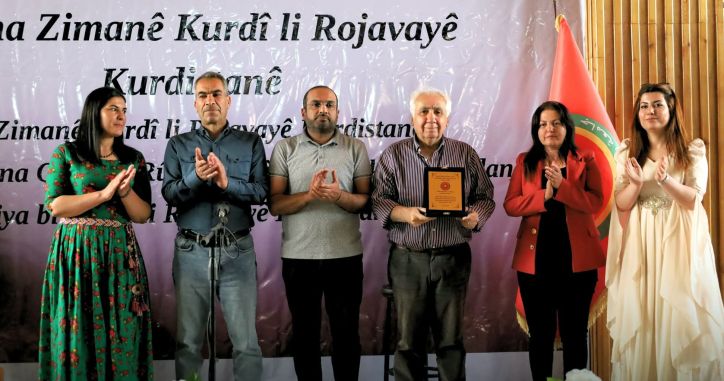
Education International stands with the Teachers’ Union of North and East Syria (UTNES) and its members as they defend mother-tongue education, educators’ professional rights, and democratic participation in education reform in their region.
On 30 August, teachers and education workers gathered peacefully outside the Education Directorate in Hasakah. Their action defended the right of Kurdish-speaking students to learn in their mother tongue and the professional role of the educators who have spent years building Kurdish-language curricula, teaching materials, pedagogical approaches, and expertise.
Education International (EI) expressed its firm solidarity with UTNES following a decision to limit Kurdish-language instruction to three class periods per week for Kurdish students. EI has called on the Ministry of Education to reconsider the measure and to engage directly with teachers and their representative union.
Defending education rights
UTNES warned that reducing Kurdish-language instruction would weaken students’ ability to learn, read, write, and use their mother tongue academically. The union stresses that the issue is not simply the allocation of timetable hours. It first concerns linguistic and cultural rights, equal access to quality education, and the place of the Kurdish language within the education system.
In a protest letter addressed to the Syrian Minister of Education, H.E. Dr. Mohammed Abdul Rahman Turko, EI General Secretary David Edwards further underlined that an attack on mother-tongue education also affects the rights, livelihoods, and professional standing of teachers:
“Education International firmly believes that access to education in one’s mother tongue is a fundamental educational right and an essential factor in promoting quality, inclusive, and equitable education.”
Defending teachers’ expertise and work conditions
The proposed reduction also puts at risk the accumulated work of Kurdish-language educators. Teachers have invested considerable time and collective effort in developing curricula and materials and in strengthening their professional practice. Marginalising Kurdish-language education would diminish that expertise and negatively affect workloads, responsibilities, and future employment needs.
For EI and UTNES, education reform cannot be imposed on people who make education possible every day. Teachers and their unions must be recognised as essential partners in shaping policy. Their knowledge of schools and classrooms is indispensable to reforms that are workable, sustainable, and rooted in the right to quality education.
“Meaningful social dialogue and consultation with education workers’ representatives are critical to ensuring that educational reforms are sustainable, evidence-based, and responsive to the realities of schools and classrooms,” Edwards stressed.
EI and students back UTNES demands
EI therefore supports UTNES and its members in calling on the authorities to:
- Reconsider the decision limiting Kurdish-language instruction to three periods per week.
- Safeguard students’ right to quality education in their mother tongue.
- Keep Kurdish-language education as an integral component of the education system.
- Protect the educational achievements and professional expertise developed through years of Kurdish-language teaching and learning.
- Protect the role, working conditions, and professional security of Kurdish-speaking educators.
- Engage in meaningful consultation with teachers, UTNES, and other education stakeholders on language, curriculum, and wider reforms.
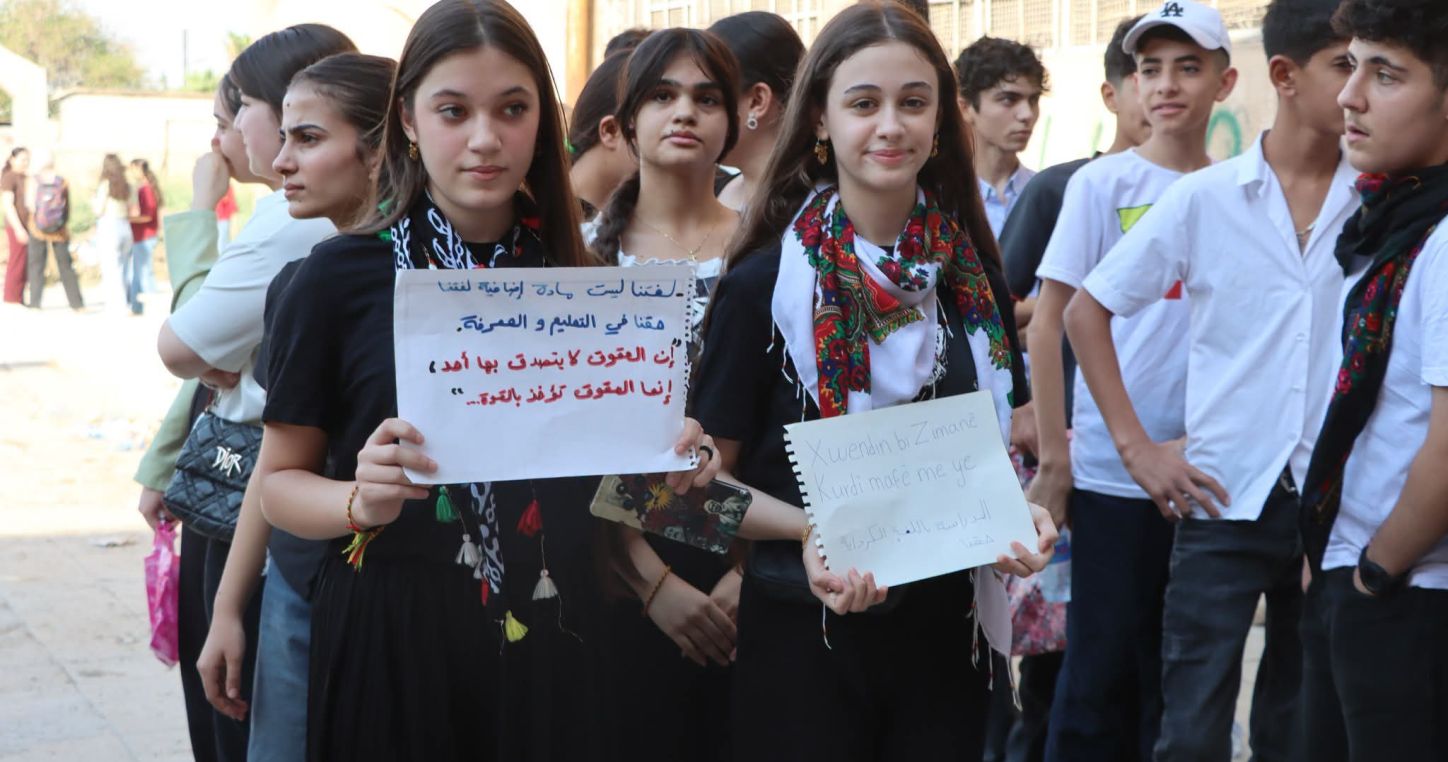
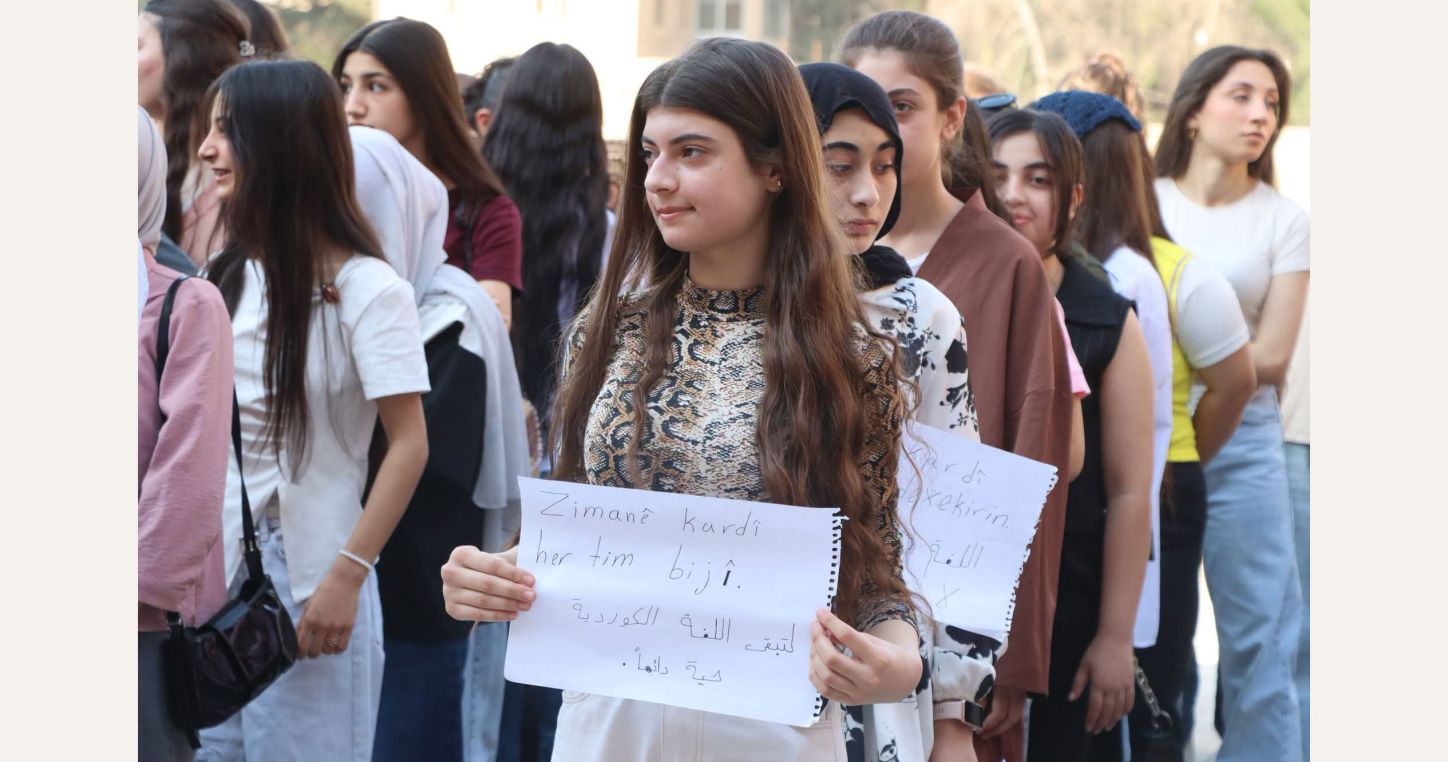
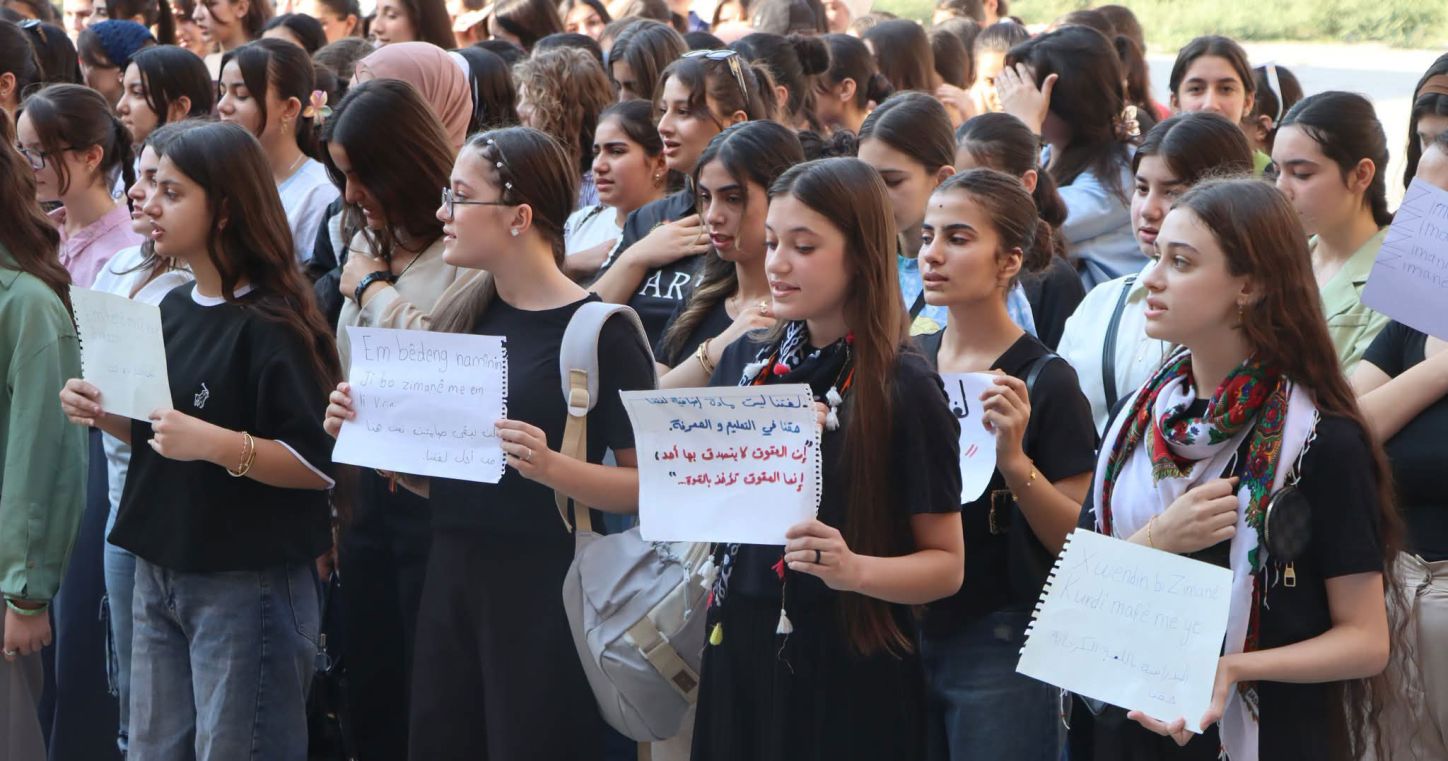
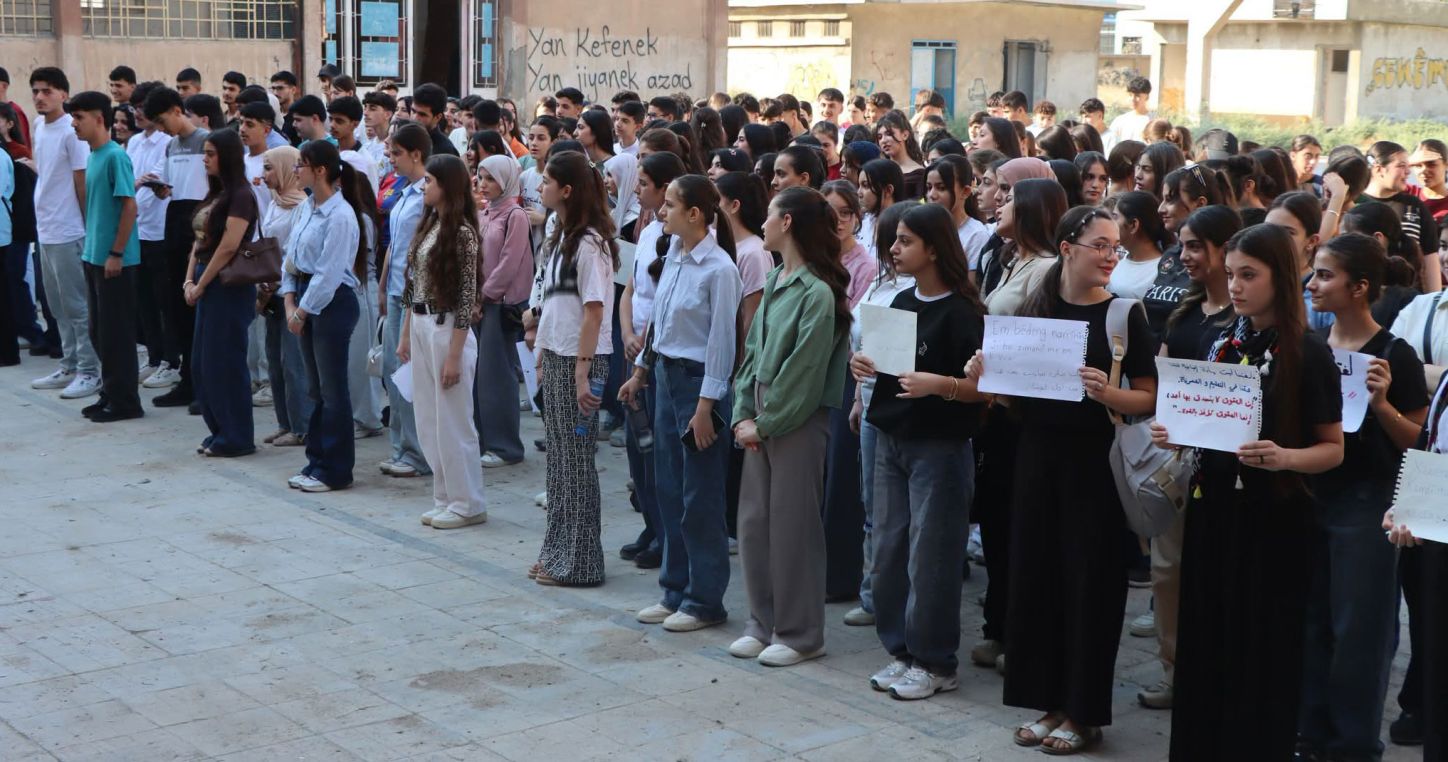
Students have also joined peaceful protests in support of UTNES demands. They are refusing to enter their classrooms until they are granted the right to learn in their mother tongue.
Dialogue rooted in rights
UTNES has reaffirmed that teachers are not opposing efforts to improve the education system. They are demanding that change be shaped democratically, with those who teach and represent the profession fully involved in decisions that affect teaching and learning.
The union remains committed to peaceful dialogue and ready to work with the authorities on solutions that protect students’ educational rights and the stability of the education system. EI echoes that commitment while making clear that dialogue must protect, not undermine, hard-won educational and professional rights.
“Constructive dialogue between education authorities and teacher representatives offers the best path toward policies that uphold quality education, social cohesion, and the rights of all learners and educators,” Edwards explained.
He concluded: “We respectfully urge the Ministry to engage with teachers and their union representatives to find solutions that preserve educational rights, strengthen the quality of education, and maintain confidence in the education system.”