Leading change: Women’s leadership in the spotlight at the 5th EI World Women’s Conference
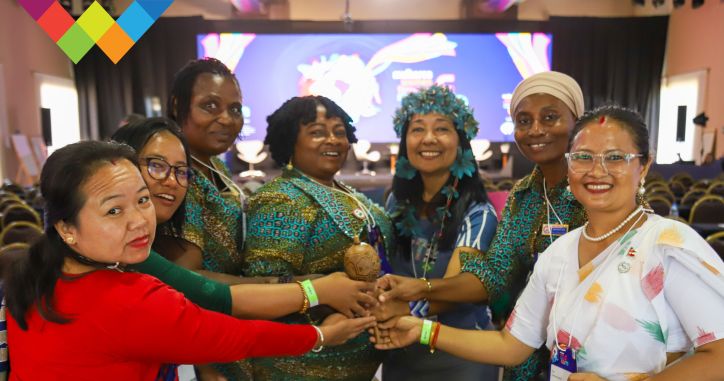
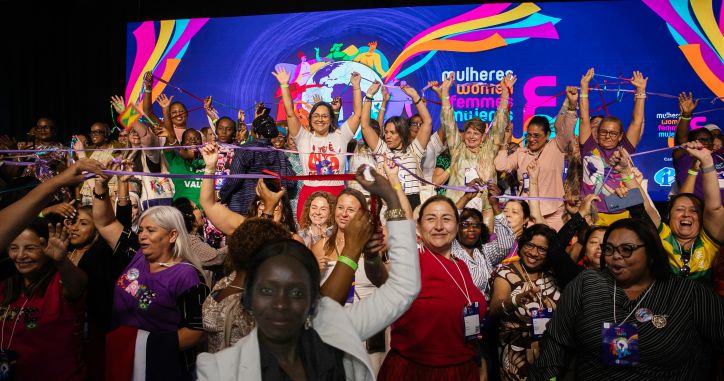
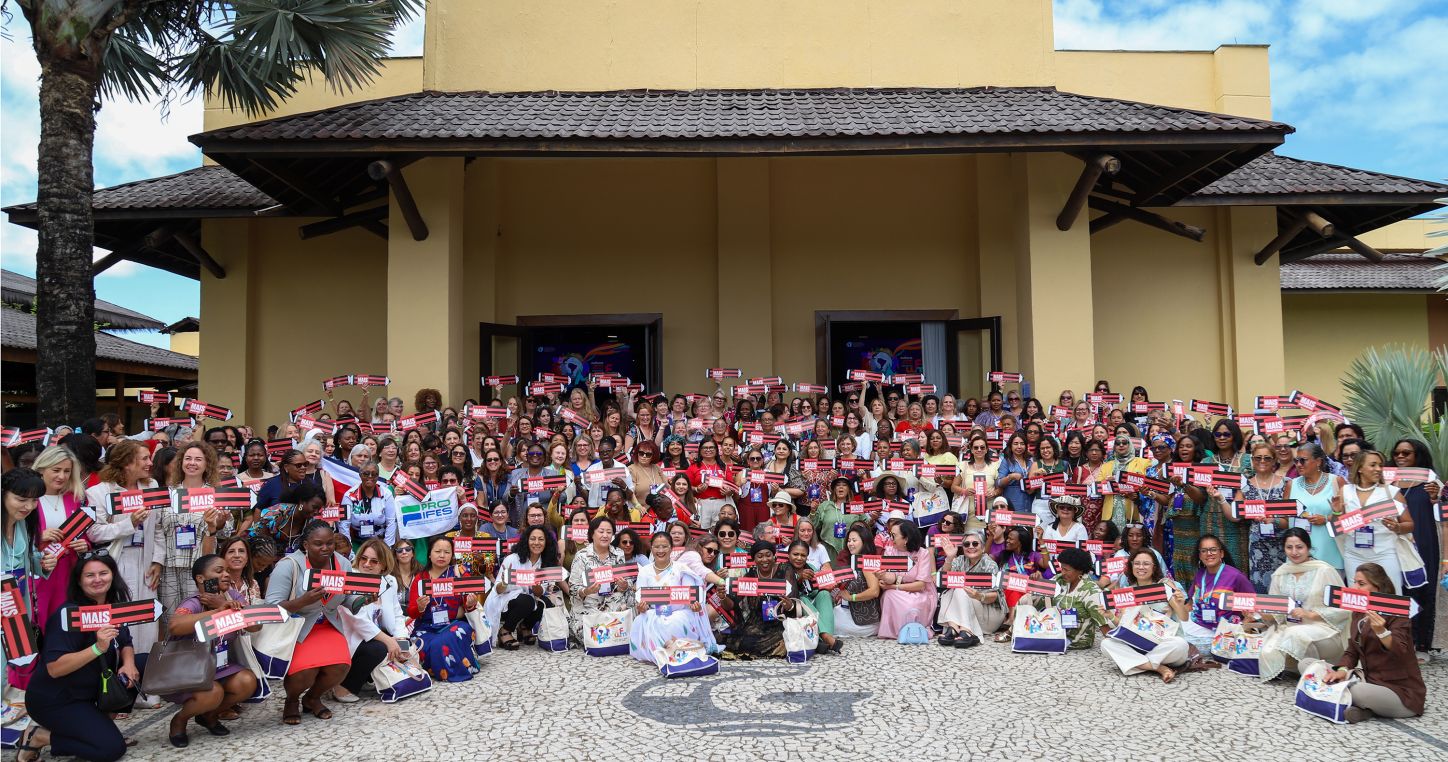
While women are the majority of education workers and education union members, they are underrepresented in leadership in both education institutions and education unions. At the 5th EI World Women’s Conference in Brazil, women education unionists from around the world are rallying to elevate women’s leadership in unions, education, and society.
In her opening speech, EI Vice-President Marième Sakho Dansokho outlined the challenge at hand issued a strong call to action: “Sisters, women educate the world and are the heart of the global education union movement. We make up the majority of educators and outnumber men in most education unions. Yet, this fact is not reflected in decision-making or leadership roles in schools or unions. We are here to change that.”
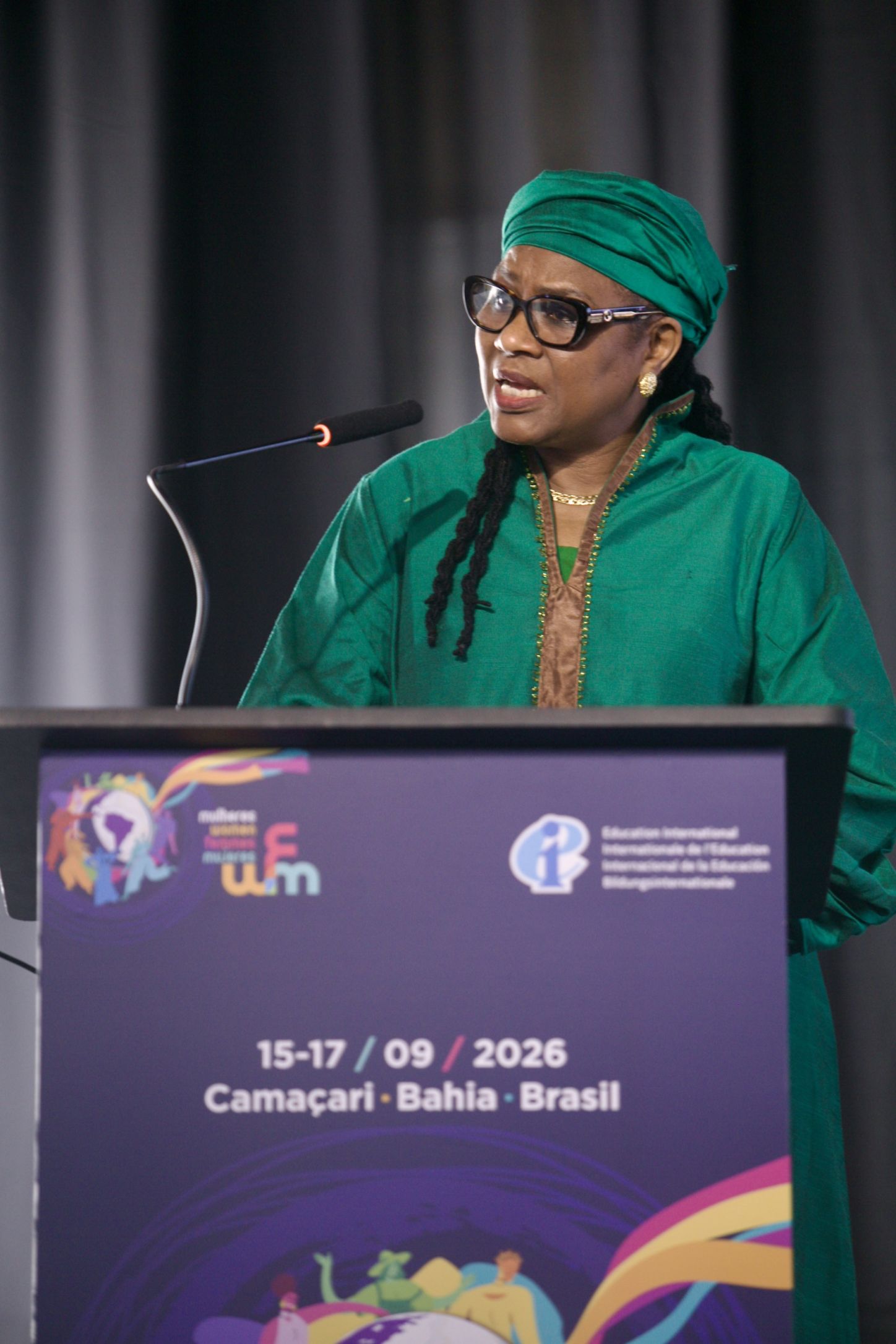
The EI Vice-President also stressed that the challenges women in education face are not “women’s issues”. Instead “gender equality is a fundamental question of justice and it concerns the whole of Education International”.
Mugwena Maluleke, Education International President, expressed the organisation’s commitment to supporting women’s leadership, stating:
“Together we will ensure that every woman working in education has access to support, to opportunities, and to the resources she needs to lead and succeed. In our schools, colleges, and universities, together, we will ensure that every woman member of our unions finds strong and inclusive structures that nurture her potential and amplify her voice, recognise her expertise and respect her leadership. Together, we will ensure that her path to leadership is not blocked by barriers but opened by solidarity.”
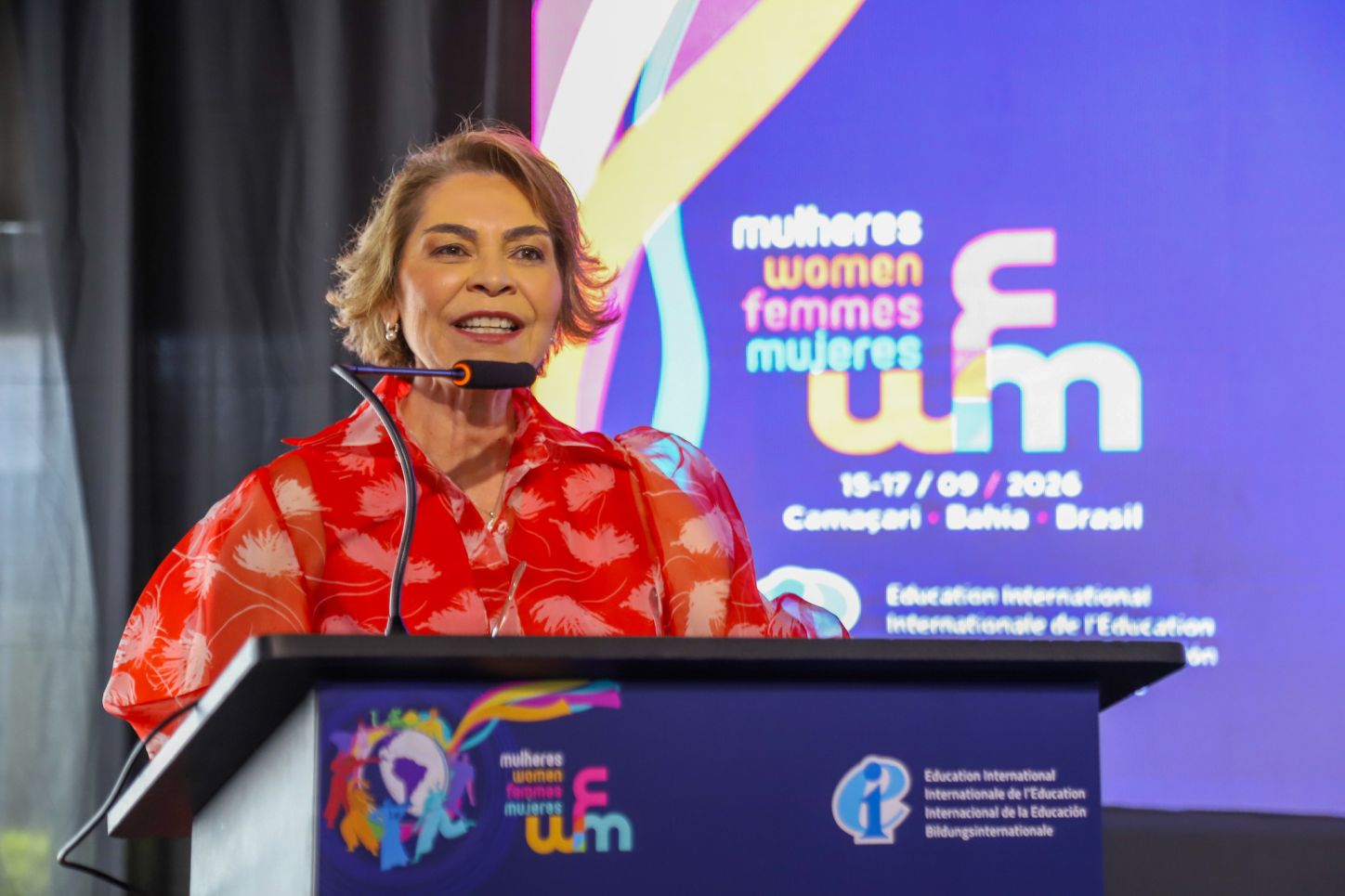
“We are women educators on the march for gender justice. We are coming together and we are rising up. We are joining forces to defend public education, equality, and peace. We want to be in spaces of power and decision-making to change the world and the lives of women and girls everywhere.”
Fátima Silva, President of CNTE, Brazil
Feminist leadership
In her keynote address, thought leader and founder of Gender at Work, Aruna Rao challenged outdated notions of leadership and provided conference participants with an alternative way of thinking about leadership and practicing feminist values in education and in unions.
Feminist leadership underpinned Conference debates throughout the day. In dedicated breakout sessions, participants focused on rethinking power and leadership through a feminist lens as well as ways to promote women’s leadership in unions and in education institutions.
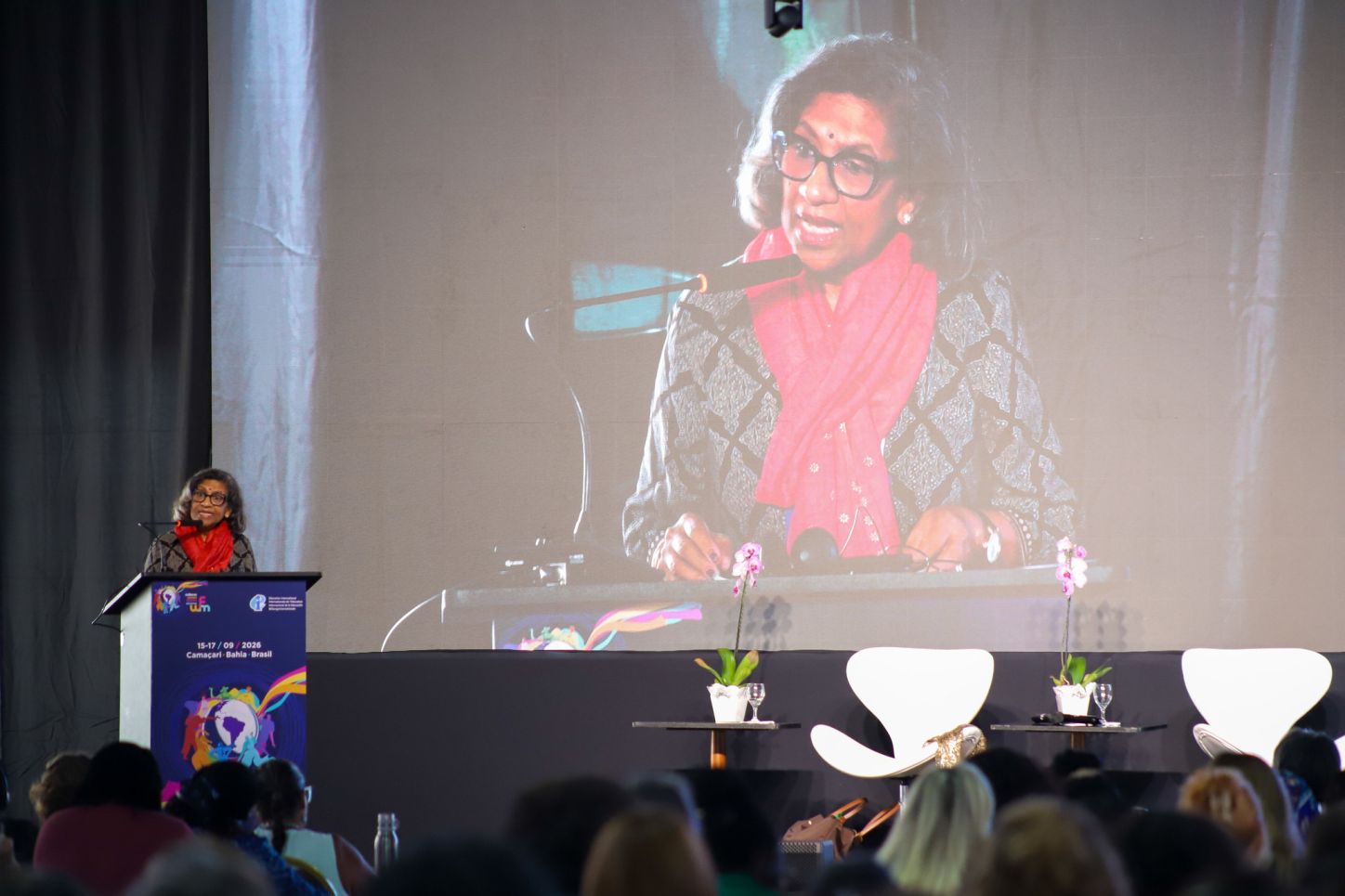
As developing skills is a key part of nurturing women’s leadership, the Conference offered participants a set of capacity-building sessions on negotiating, strengthening their public voice, and building a feminist culture in their organisations.
EI Gender Equality Action Plan
Education International’s Gender Equality Action Plan 2026-2029 was launched in a vibrant Conference plenary session.
EI Deputy General Secretary Cassandra Hallett noted that “in a better world, this Gender Equality Action Plan would not be necessary because gender equality is a fundamental issue of justice that should have been achieved long ago”. Despite the setbacks, significant progress has been achieved thanks in no small part to the rich contribution of generations of women in education and in unions. “The legacy that we are building on today is one of undaunted spirit, fierce solidarity, and a profound sense of justice”, Hallett stressed.
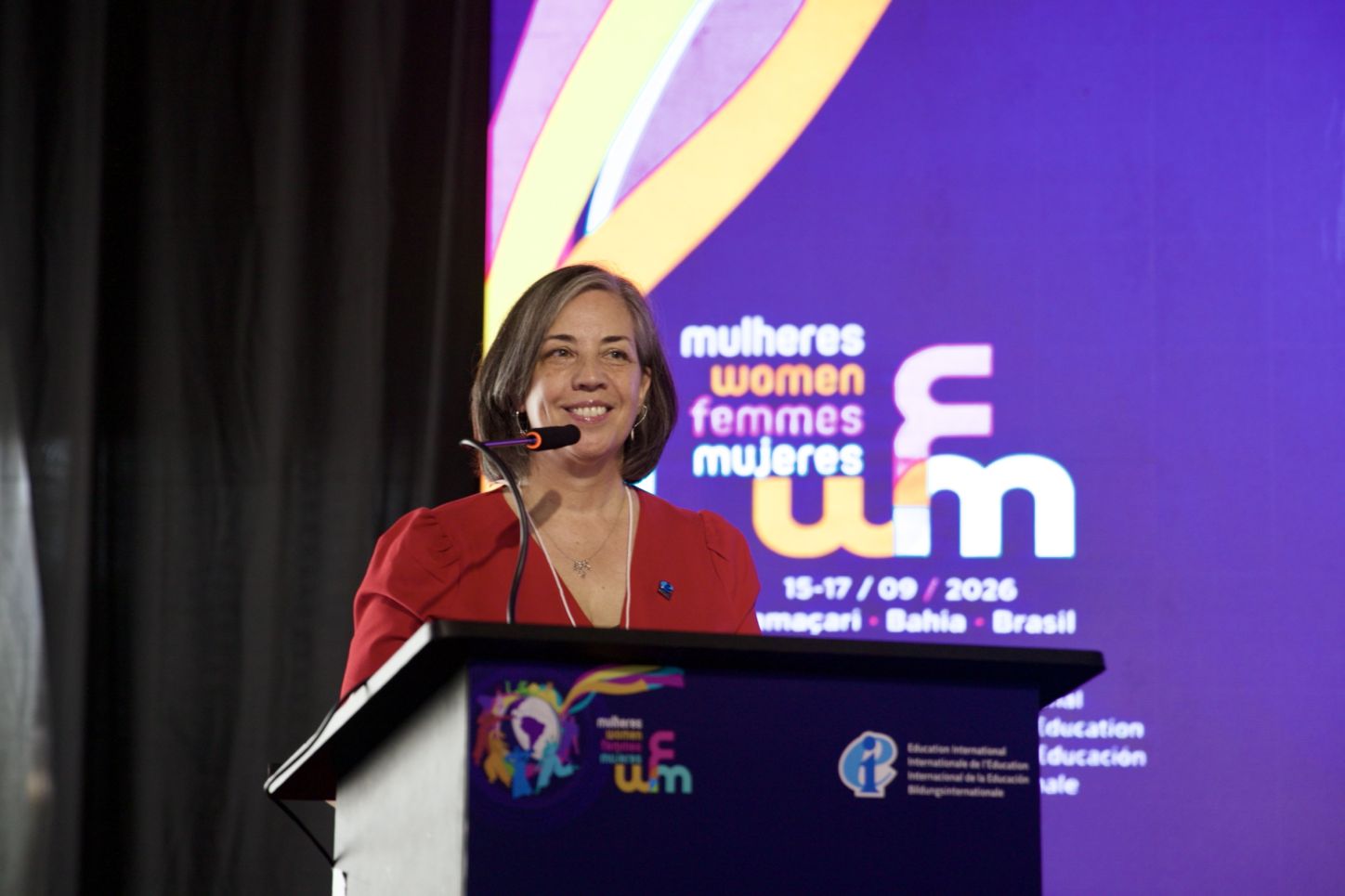
Warning that attacks on women’s fundamental rights and freedoms are surging around the world, Hallett made it clear that “we are not giving up, EI is doubling down”.
The new EI Gender Equality Action Plan outlines the organisation’s work to advance gender justice over the next three years, until the next EI World Congress in 2029.
The Gender Equality Action Plan strategically mirrors the structure of the Education International Strategic Plan with its five key pillars: profession, public education, people, planet, and building the collective power to defend them all. The Gender Equality Action Plan applies a gender lens to each of these pillars and helps to ensure that gender justice is at the forefront in every action EI undertakes.
In this way, gender equality becomes an integral part of every single work area in Education International.