The Bahia Declaration: Rising United for Gender Justice
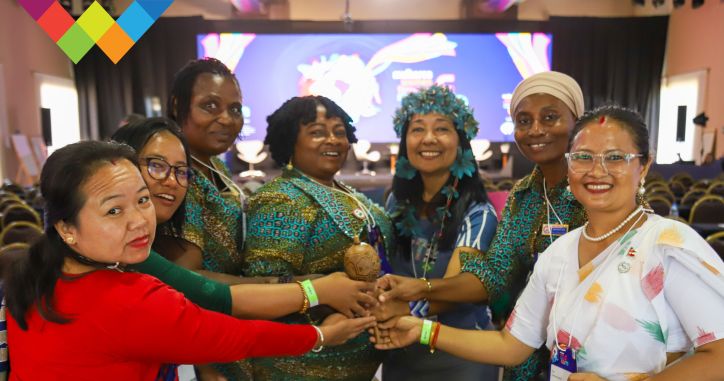
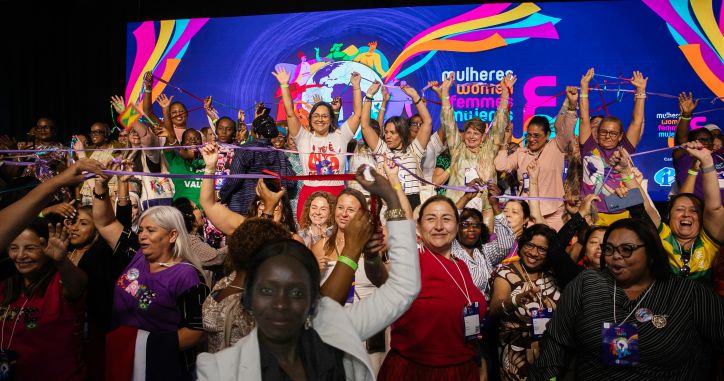
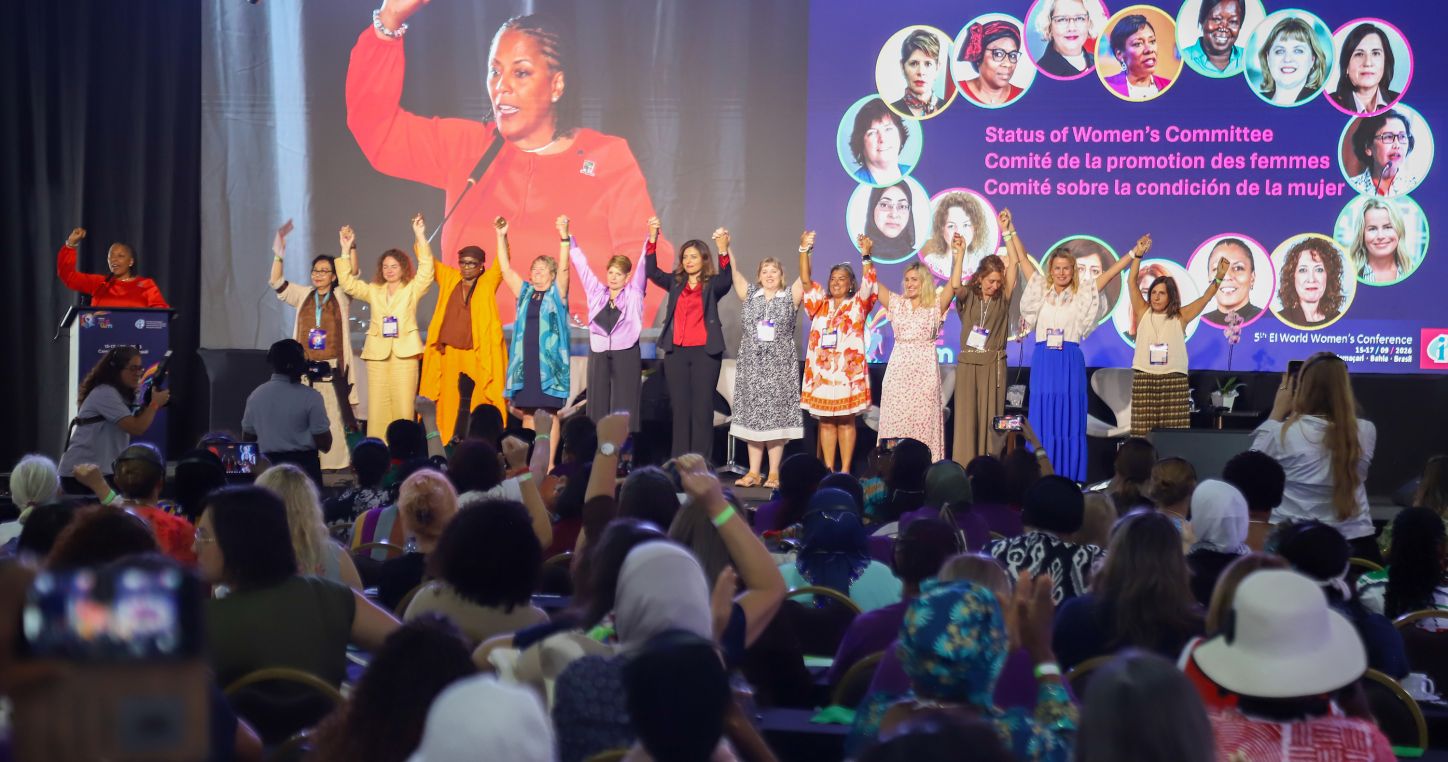
We, women educators and trade unionists from every region of the world, gathered in Bahia, Brazil, for the 5th World Women's Conference of Education International, are united in our struggle for human and trade union rights. We recognise that there is no gender justice without peace, democracy and sustainable development. With a steadfast belief that strong education unions and quality public education can transform societies, and committed to leading with courage and care, we:
- Affirm that the majority of teachers and education support personnel across the globe are women, in all their diversity;
- Confirm that globally women continue to face particular challenges in accessing equal rights and opportunities in patriarchal societies, and that particular groups of women and girls are especially vulnerable to disadvantage and discrimination based on their age, religion, sexual orientation or identity, disability, socio-economic status, race, indigeneity, migrant or immigrant status, among other factors;
- Recognise that patriarchal norms continue to negatively shape the status of the teaching profession;
- Insist that all professional issues be seen through a gender lens and designed to advance gender justice;
- Note with alarm the high prevalence of violence and harassment including gender-based violence and harassment in schools and education institutions, which are our workplaces;
- Note with concern the impact of increasing workload, including administrative tasks and high levels of emotional labour, on the well-being of teachers and education support personnel;
- Denounce the budget cuts and austerity measures in education as well as the debt crisis and their impact on girls and women;
- Deplore the disproportionate gendered impact of war and conflict, anti-democratic forces, and the climate crisis;
At a time of rising authoritarianism and a deepening backlash against gender equality and women’s rights, we as women education trade unionists call upon governments and education authorities to:
(i) Urgently increase funding for public education, to ensure inclusive and equitable quality education for all, especially girls and women, and labour rights and decent working conditions for women educators;
(ii) End the austerity policies which limit girls’ right to education and women’s right to decent work while shifting the burden of unpaid care and domestic work onto women;
(iii) Act immediately to ensure sufficient numbers of trained and qualified teachers and education support personnel with quality working conditions and support;
(iv) Target investment in early childhood education, the most feminised sector within education, to enhance its status and improve conditions and salaries;
(v) Ensure gender pay equity and dignified pensions for educators across all levels of education systems commensurate with salaries in other sectors that require similar qualifications;
(vi) Assure education workers are safe from all forms of violence and harassment, including gender-based violence, and ILO Convention 190 is ratified and implemented;
(vii) Recognise women’s mental and physical health as an integral part of teacher well-being and ensure occupational health policies include hormonal and reproductive health issues with adequate menopause support;
(viii) Address gender-related norms and stereotypes and equip teachers for gender-transformative education in both initial teacher education and continuous professional development;
(ix) Introduce measures to remove barriers and ensure greater representation of women in school leadership.
Emphasising that unions are stronger and more democratic when women in all their diversity are represented throughout union structures, we urge education unions to:
(i) Continue building union power by strengthening the participation and equitable representation of women in all their diversity throughout the union, via dedicated structures, action plans, resources, and accountability mechanisms;
(ii) Continue supporting and investing in women’s leadership, including through dedicated mentoring and capacity-building programmes.
We celebrate the leadership of women, past and present.
We recognise that we stand on the shoulders of giants and that we would not be here without the many sacrifices, failures, and achievements of our sisters.
We are proud to continue building on centuries of struggle and commit to supporting and lifting each other up.
Together, we are rising united for gender justice – in every school, in every classroom, and in every union.