Building union power, winning for public education: Mongolia's Go Public! story
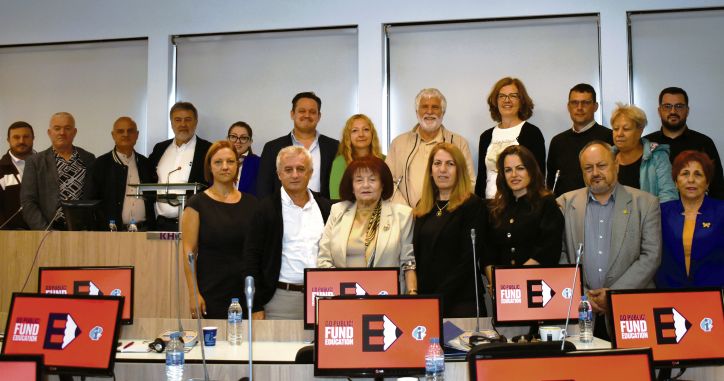
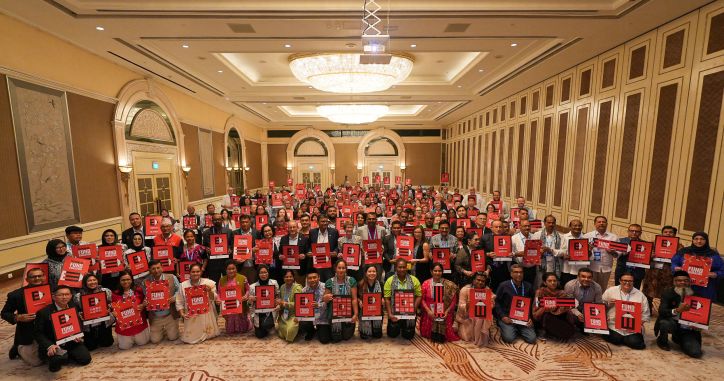
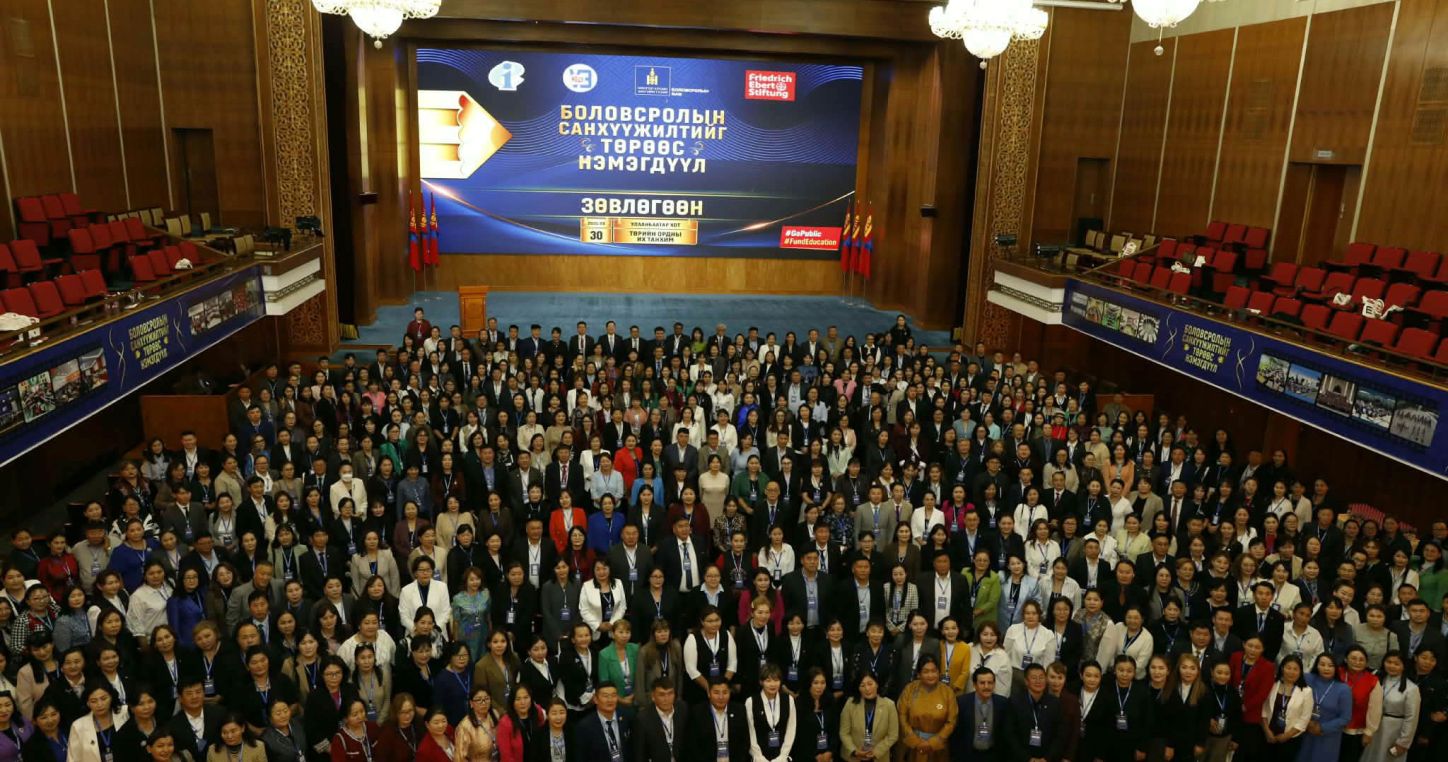
At the closing forum of Mongolia’s Go Public! Fund Education campaign held in the capital city, Ulaanbaatar, education unionists and stakeholders reaffirmed their shared commitment to strengthening public education, investing in teachers, and advancing social dialogue.
Organised by the Federation of Mongolian Education and Science Unions (FMESU), together with Education International Asia-Pacific (EIAP) and Friedrich-Ebert-Stiftung Mongolia, the forum reflected on the campaign’s achievements while looking ahead to the next phase of advocacy and organising. It gathered more than 700 education union leaders and activists, government representatives, Members of Parliament, and civil society representatives.
Go Public!: Beyond a funding campaign
Opening the forum, Education International Asia-Pacific Regional Director Anand Singh stressed that the global Go Public! Fund Education campaign is rooted in the belief that public education is a public good and that governments must invest in the people who make quality education possible.
“Go Public! is about funding, but it is also about much more. It is about recognising public education as a public good and a foundation for sustainable and inclusive development. It is about ensuring that teaching is an attractive, respected, and adequately supported profession. And it is about strengthening social dialogue, so that governments, teachers, and their unions can work together to develop practical and sustainable solutions for the future of education.”
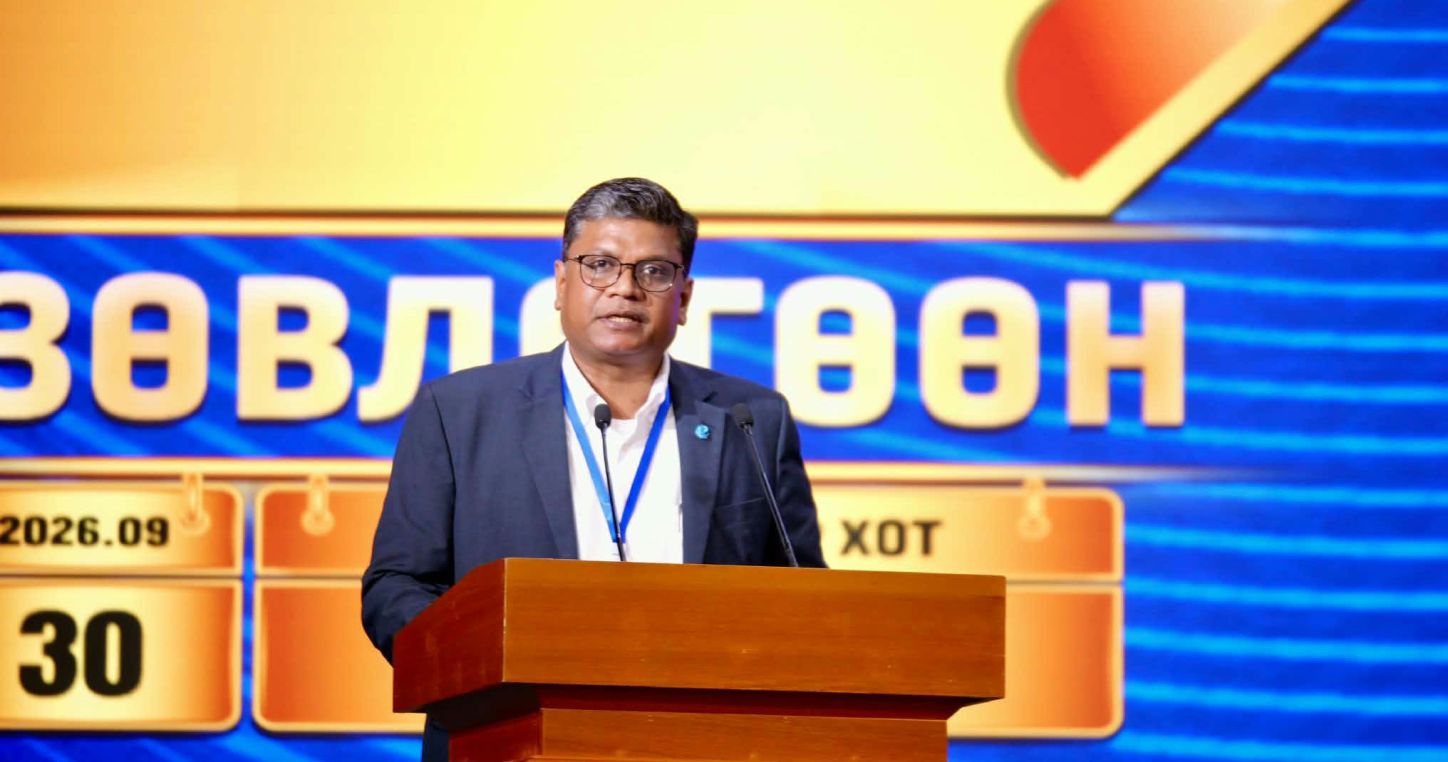
Singh also positioned the campaign within the context of a growing teacher shortage across the world and the Asia-Pacific region: “Across Asia-Pacific and globally, education systems are confronting teacher shortages, increasing workloads, recruitment and retention challenges, technological change and persistent inequalities”.
He emphasised that the solution is not simply recruiting more teachers, but investing in decent work, professional support and quality public education.
He also noted:
“When teachers organise, they can change the conversation. When teachers build collective power, they can influence policy. And when teachers stand together, governments have to listen. That is the spirit of Go Public! Fund Education.”
Union mobilisation delivers results
The forum highlighted the achievements of FMESU’s sustained mobilisation. More than 40,000 teachers and education support personnel from 720 educational institutions participated in a nationwide movement that contributed to an agreement delivering a 50 per cent increase in teachers’ basic salaries from January 2026, with a further increase scheduled later in the year.
For FMESU President Tsogtgerel Zambal, the victory demonstrates what educators can achieve when they organise collectively and speak with one voice.
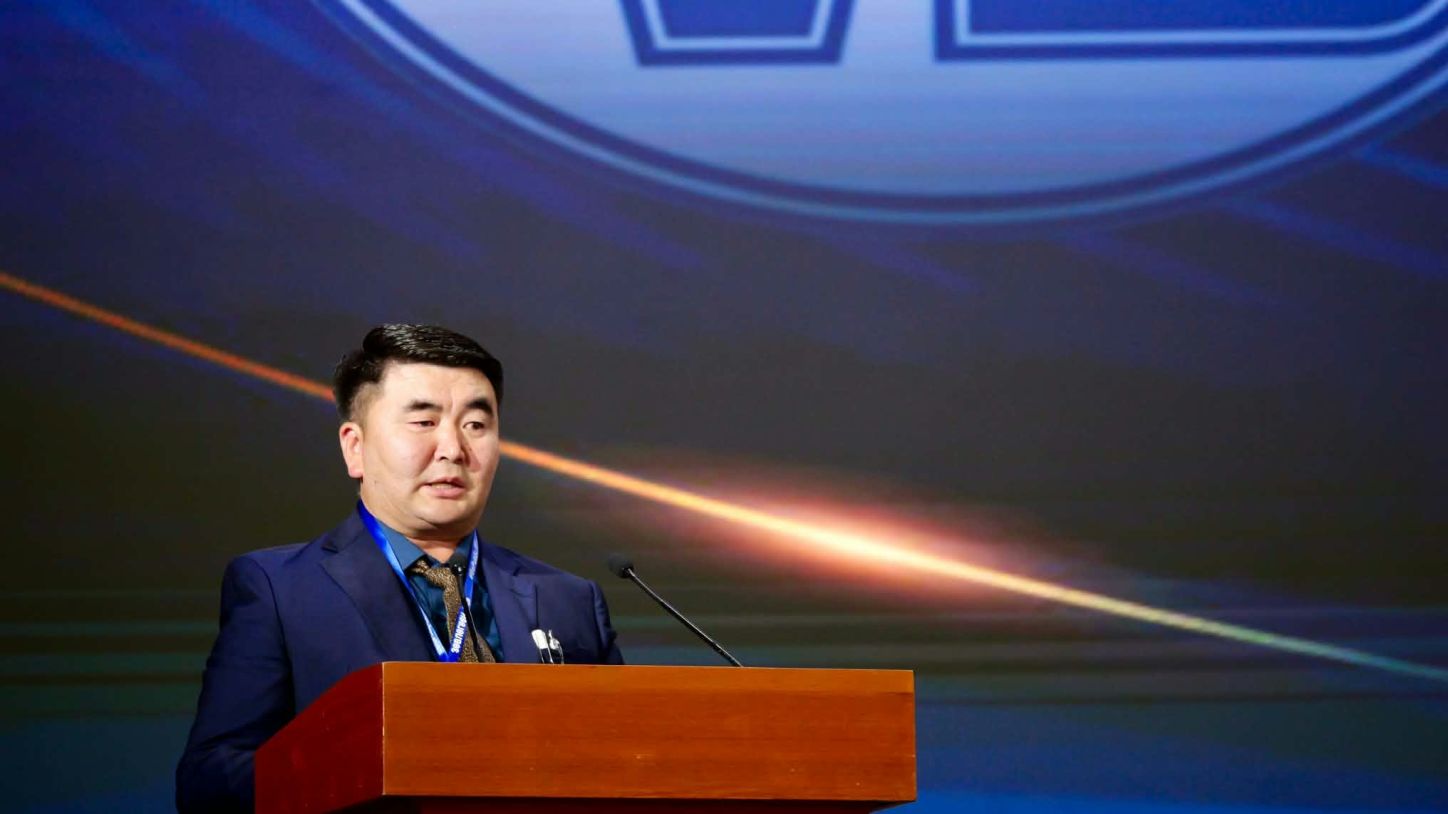
FMESU President Tsogtgerel Zambal.
“We were able to fight for our teachers and include the necessary budget for an increase of teachers’ salaries into the 2026 state budget. We were able to convince the government that education is a priority, so that quality education could be provided.”
FMESU President Tsogtgerel Zambal.
He stressed that the gains were the result of grassroots union action across the country: “This was made possible through intensive organising and mobilisation by unions across the country.”
The forum further underlined FMESU’s successful campaign for increased funding for kindergarten meals, which contributed to additional government investment benefiting around 280,000 children. Through organising members, working with parents and engaging government representatives, the union demonstrated how campaigning for public education can secure concrete gains for communities.
For Singh, these achievements demonstrate one of the central lessons of the Go Public! campaign: “When unions organise around issues that matter to children, families, and communities, we can build wider public support for public education.”
Teachers at the centre of education policy
A recurring theme throughout the discussions was the need to place teachers and their unions at the centre of education policymaking.
“Real reform is built with teachers, not imposed on them,” Singh told participants, calling for meaningful social dialogue before policies are designed, during their implementation and when their impact is evaluated.
The forum also heard messages from government representatives reaffirming the importance of investing in the teaching profession. In a message to participants, Prime Minister N. Uchral highlighted the role of teachers in transforming education and reiterated the government’s commitment to improving salaries and working conditions.
Building union power through campaigning
Throughout the forum, participants emphasised that the Go Public! campaign is not only about influencing public policy. It is also about building stronger and more representative education unions.
Singh described Go Public! as “an organising campaign” that creates opportunities to recruit members, develop new leaders, strengthen workplace organisation, and build alliances with communities.
“Go Public! Fund Education is about much more than increasing education budgets. It is about building the power of education workers to shape the future of education. Mongolia has shown what organised teachers and education workers can achieve when they come together, mobilise and make their voices heard.”
He insisted that “every campaign should leave us with stronger members, stronger workplace organisation, new leaders and a stronger collective voice. That is how we turn campaign mobilisation into lasting organising power.”
A clear message for the future
The discussions in Ulaanbaatar reinforced key messages of Education International’s global campaign: Public education requires public investment; Teachers must be valued and supported; And strong education unions are essential to building the education systems that communities need.