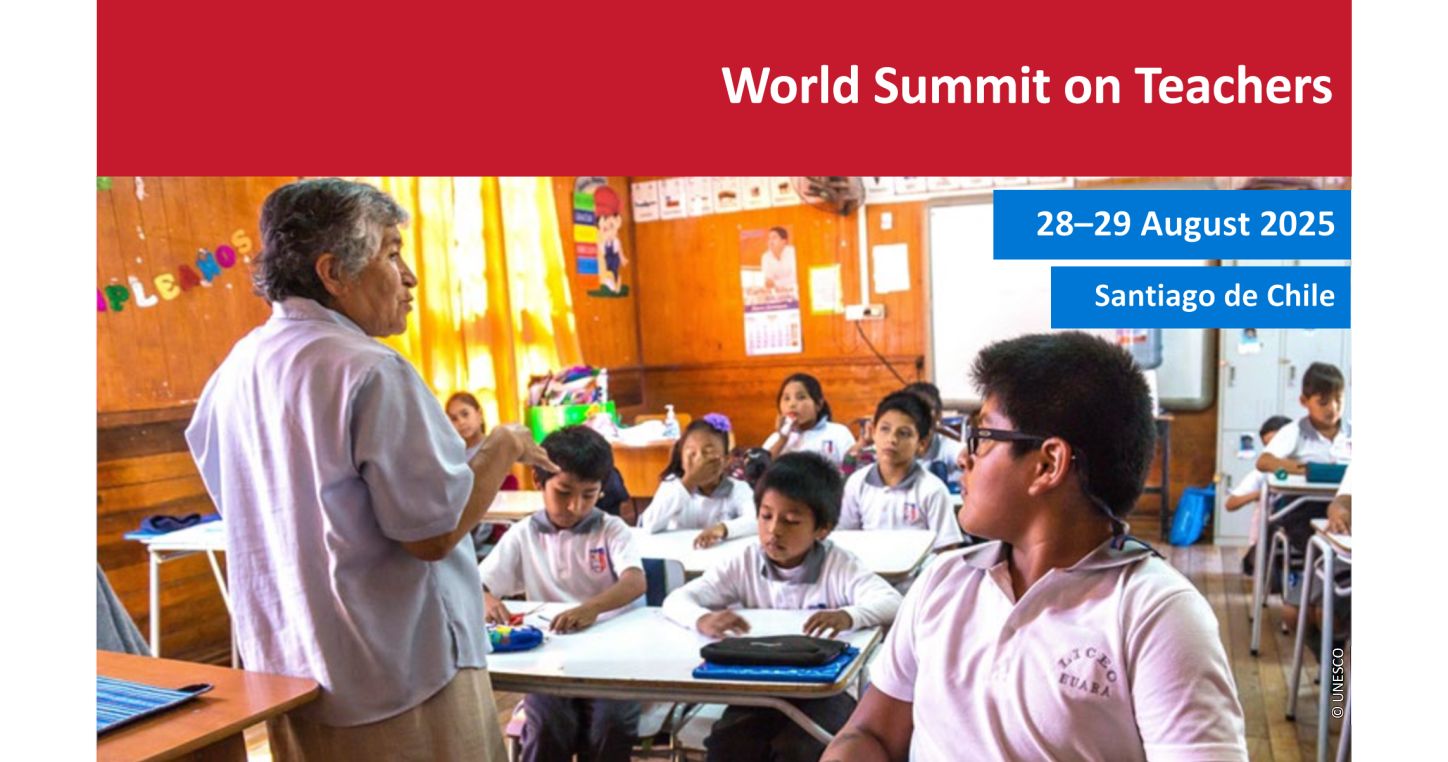
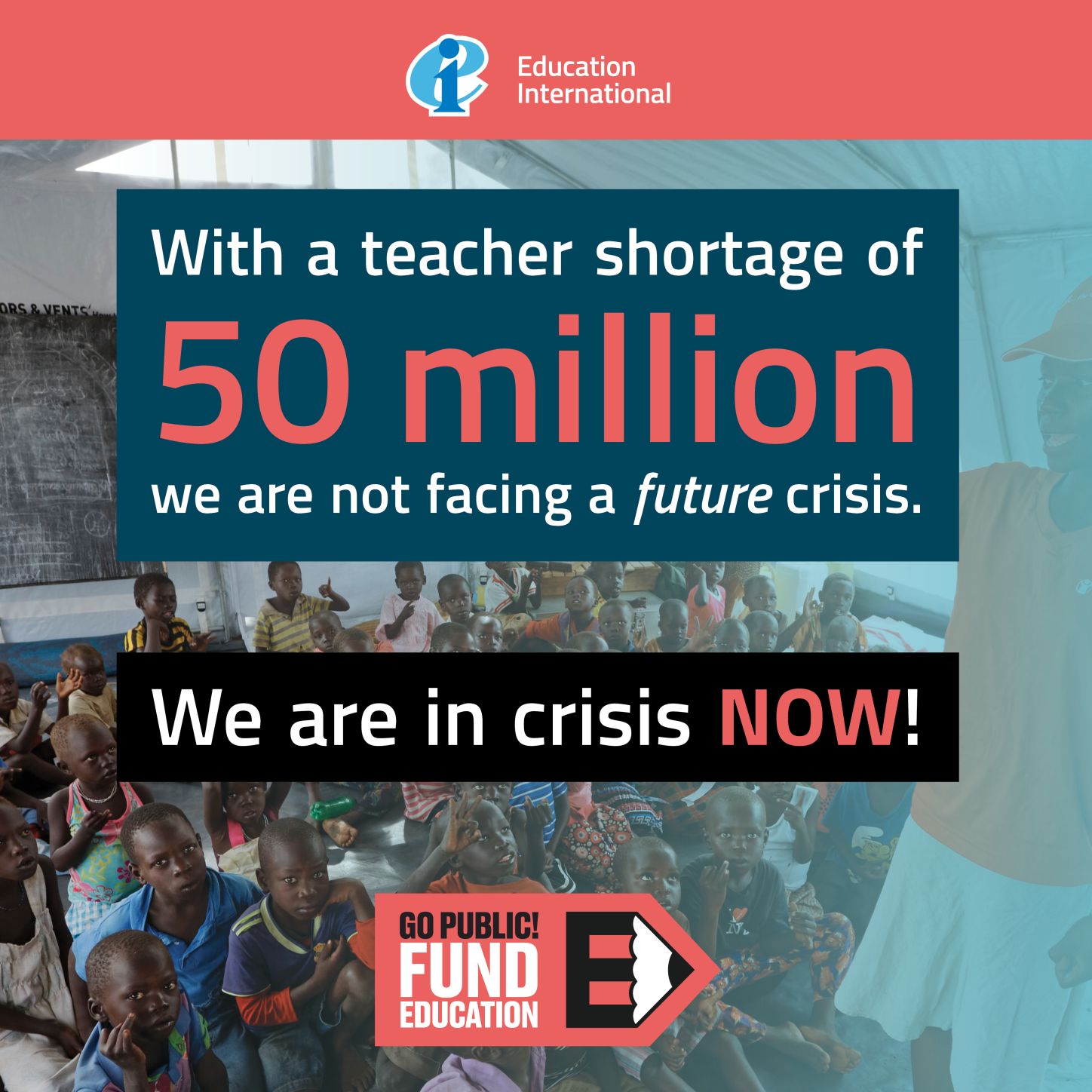
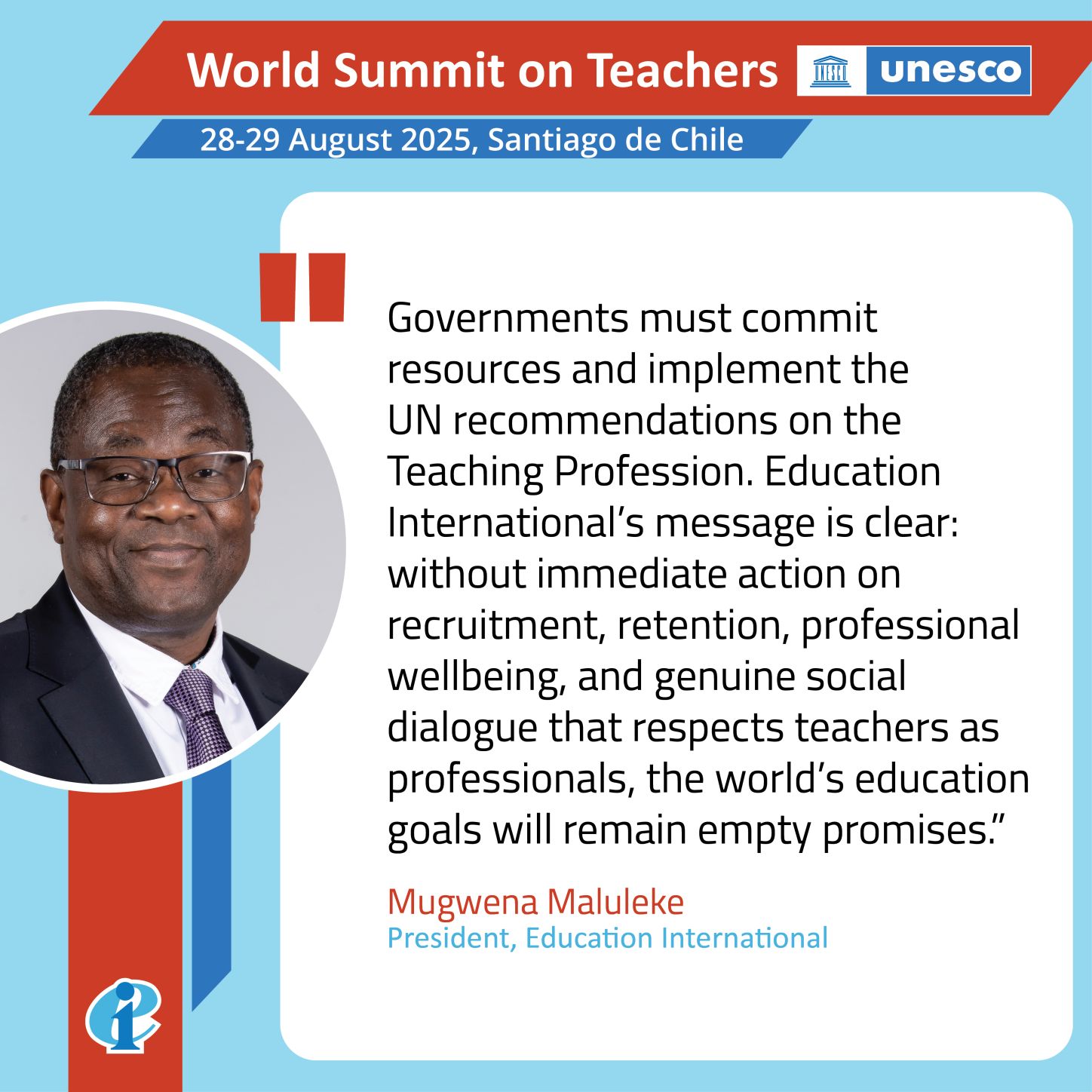
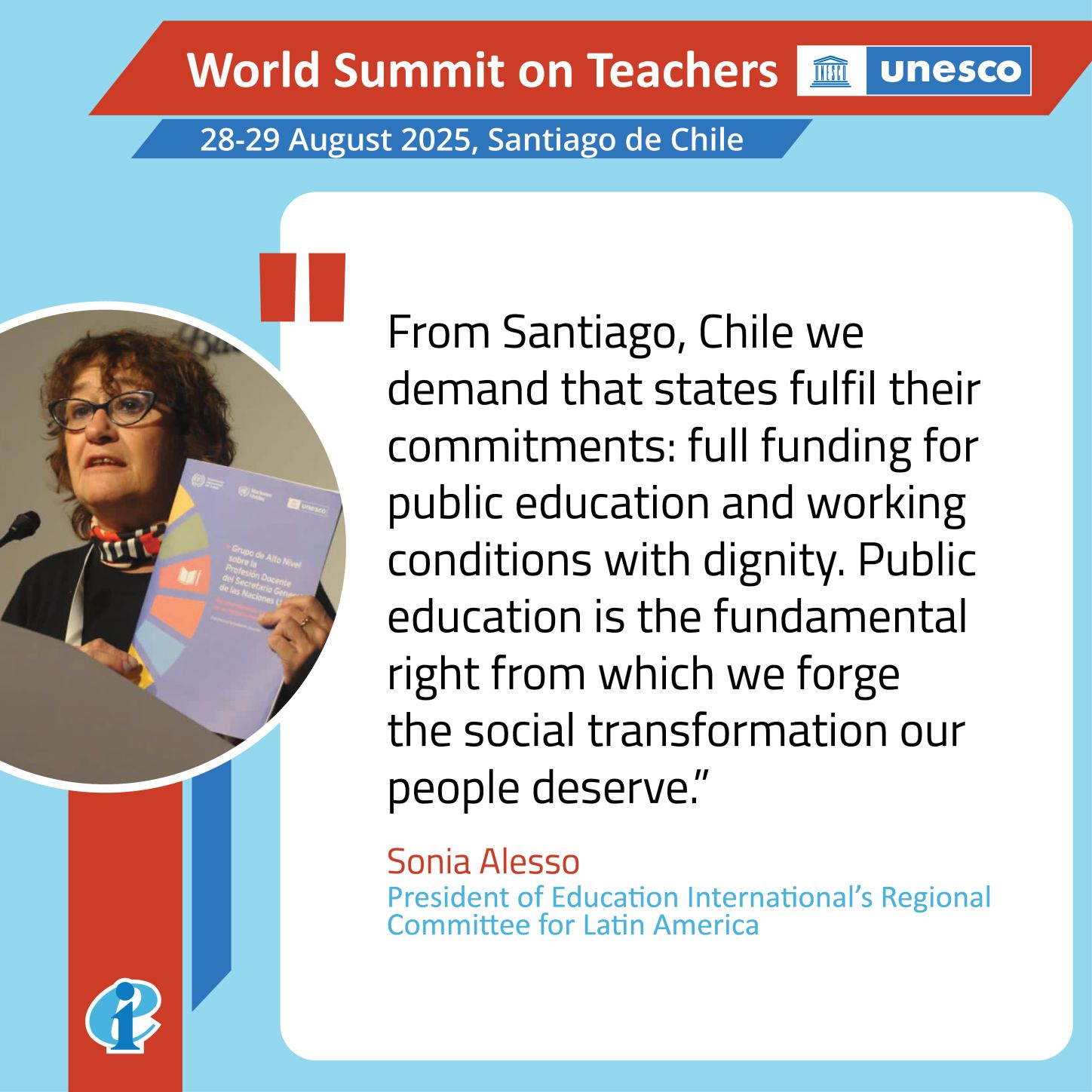
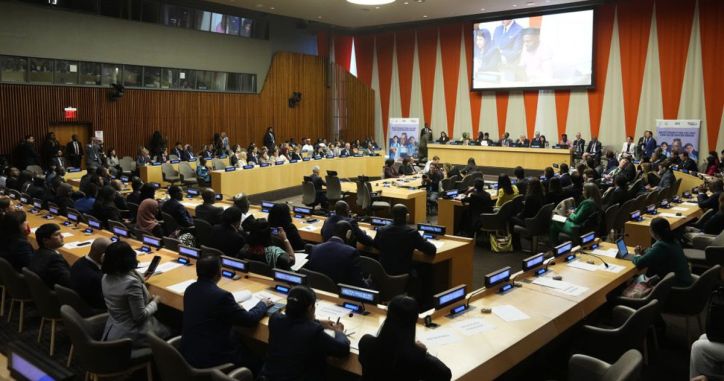
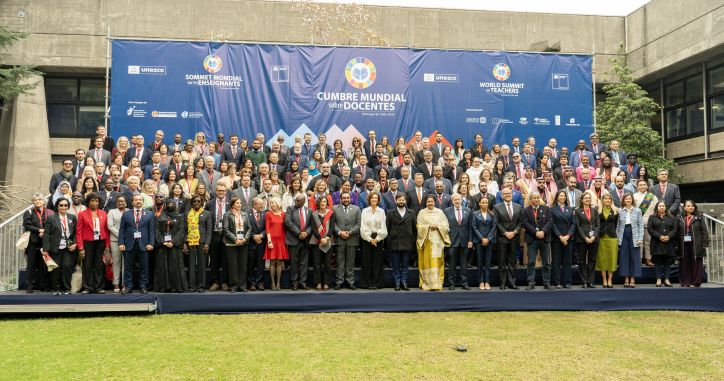
As ministers and education leaders prepare to convene for the World Summit on Teachers (WST) on 28-29 August, the global teaching profession faces an unprecedented recruitment and retention crisis. The world needs 50 million more teachers by 2030 across early childhood, primary and secondary education, yet qualified educators are fleeing classrooms due to systematic government failures.
The WST, convened by UNESCO and hosted by the Government of Chile, brings together ministers, UN agencies, teacher unions, civil society organisations and education experts to address the shortage and advance implementation of Sustainable Development Goal 4 - inclusive and equitable quality education for all.
Building on this commitment to transformation, Education International arrives in Santiago with a clear framework for addressing the global teacher shortage that centers on concrete solutions and immediate action.
Teacher voices from across all continents will bring firsthand accounts of public education systems under pressure. Their unified message: structural transformation is essential, not cosmetic fixes.
Post about the Summit
Here are sample messages that you can share on your social media:
📢I am joining colleagues at the UNESCO World Summit on Teachers to call on governments to address the global teacher shortage of 50 million and commit to fully funding public education.
👩🏼🏫👩🏽🏫👩🏿🏫The World Summit on Teachers is an unprecedented opportunity to move from words to action!!! Governments MUST commit to fully funding public education and investing in teachers.
Building union power, winning for public education: Mongolia's Go Public! story
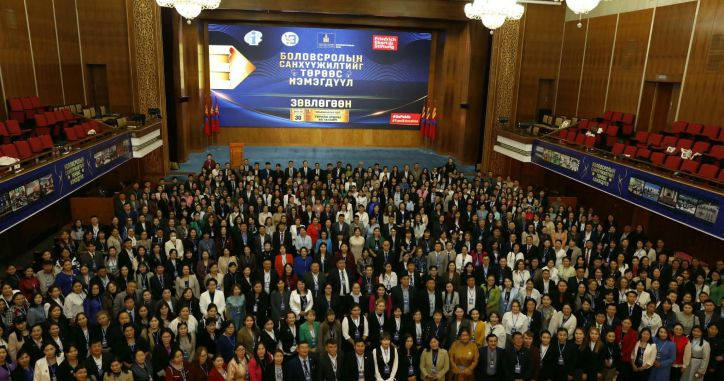
At the closing forum of Mongolia’s Go Public! Fund Education
campaign held in the capital city, Ulaanbaatar, education unionists and stakeholders reaffirmed their shared commitment to strengthening public education, investing in teachers, and advancing social dialogue.
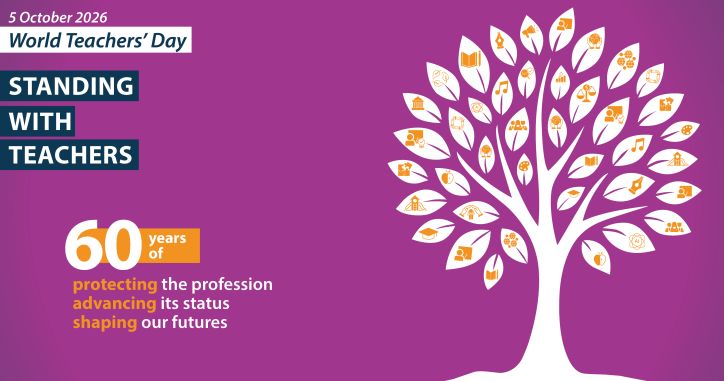
Standing with Teachers: 60 Years of Protecting the Profession, Advancing its Status, and Shaping Our Futures
On 5 October 2026, education unions around the world will celebrate World Teachers’ Day, marking the 60th anniversary of the 1966 International Labour Organization (ILO)/UNESCO Recommendation concerning the Status of Teachers
.
Standards and working conditions
25 September 2026
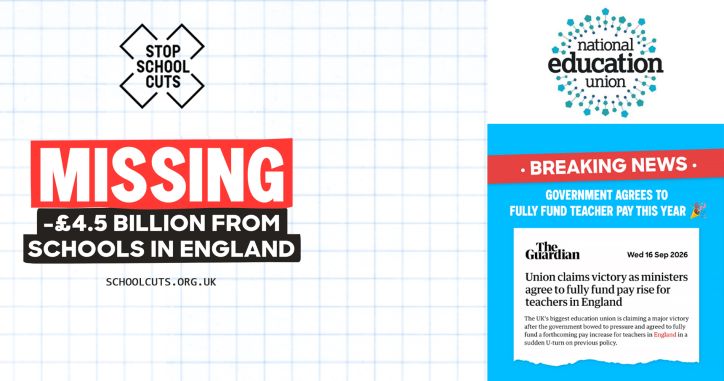
United Kingdom: Educators win full government funding for teacher pay rise
Educators, unions, civil society organisations and concerned citizens have secured a major victory for teachers, education support personnel, and school communities across England after the UK Government announced that it will fully fund this academic year's teacher pay award.
Education unions pledge to fight for and lead a new era of education financing
Following the disappointing outcome of the Global Partnership for Education (GPE) replenishment meeting, education union leaders from around the world came together to demand urgent government action. Education International (EI) and its member organisations will intensify pressure on political leaders to fully fund public education and uphold every child’s right...
Achieving Sustainable Development Goal 4
7 September 2026
Zimbabwe: Urgent need for fair wages, collective bargaining rights, and sustainable education financing
Despite signs of economic stabilisation in Zimbabwe, many educators say they are still struggling to make ends meet. While inflation has slowed and growth indicators have improved, teachers' salaries continue to lag far behind the cost of living, leaving education workers caught between government claims of fiscal constraints and the...
Achieving Sustainable Development Goal 4
29 August 2025
Historic Santiago Consensus puts teachers at the heart of education transformation
World Summit on Teachers delivers comprehensive framework demanding sustainable investment in teaching profession
Ministers, teacher unions, and education leaders meeting at the World Summit on Teachers in Chile have adopted the Santiago Consensus
, a comprehensive framework that commits governments to address the global shortage of 50 million teachers through concrete policy action.