Education voices | Defending public higher education and challenging underfunding in Kenya
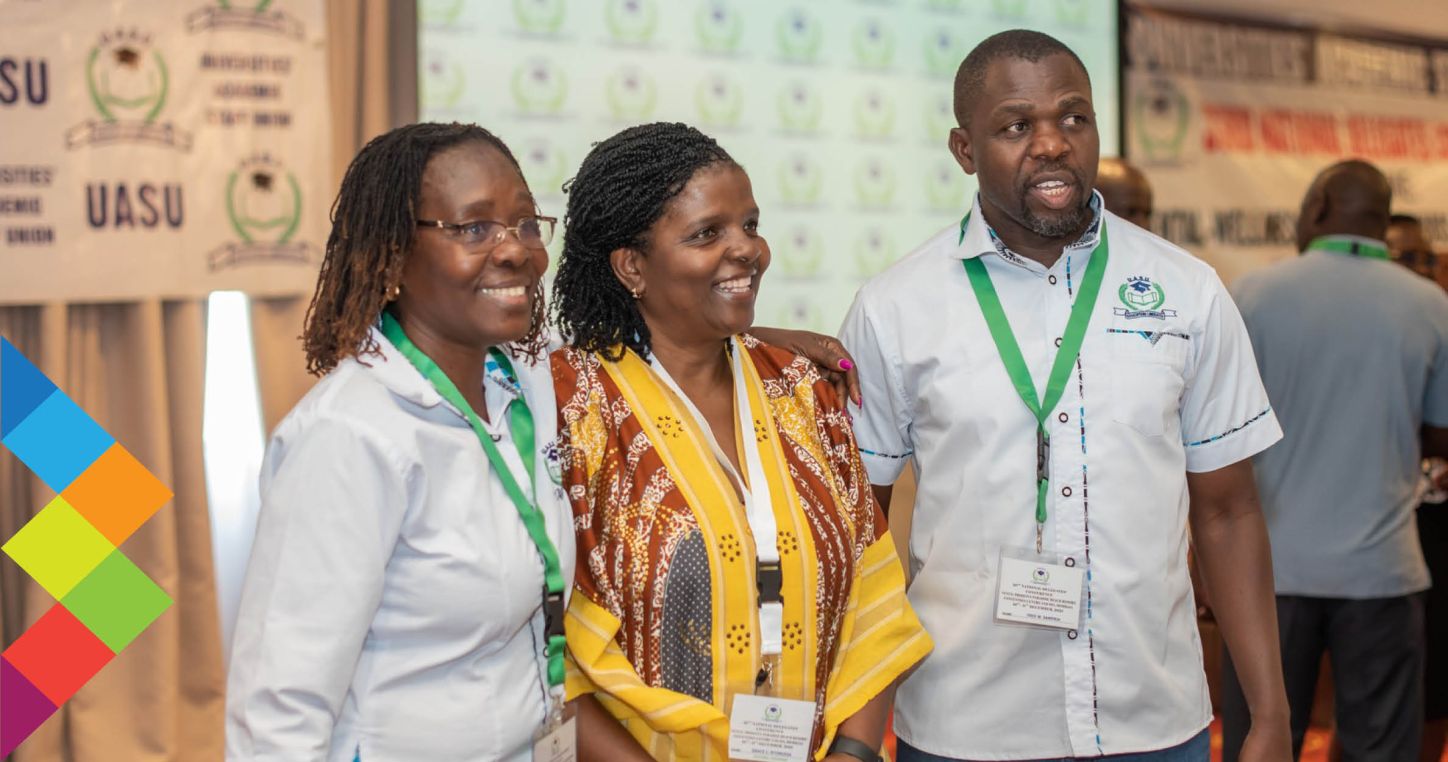
Interview with Grace Nyongesa, National Chair of the University Academic Staff Union, Kenya
Sign up
Sign up for the Worlds of Education newsletter.
Sign up
Sign up for the Worlds of Education newsletter.
Thank you for subscribing
Something went wrong
This testimony was collected as part of the research project entitled “In the eye of the storm: Higher education in an age of crises” conducted by Howard Stevenson, Maria Antonietta Vega Castillo, Melanie Bhend, and Vasiliki-Eleni Selechopoulou for Education International. The research report and executive summary are available here.
Worlds of Education: What are the main challenges to the higher education system in Kenya?
The higher education system in Kenya is facing significant challenges. There is insufficient funding for higher education institutions, and inadequate support for students. The lack of adequate financial support for students is particularly impacting students from low-income households. This makes higher education unaffordable for large swathes of the population, which in turn leads to under-enrolment and threatens job cuts in universities.
The cuts in funding cannot be divorced from wider efforts to encourage the privatisation and commercialisation of the higher education sector. For some time now, our union has been resisting efforts to contract out key parts of Kenya’s higher education system to private providers, with severe potential consequences for the job security and working conditions of UASU members.
Worlds of Education: How did your union mobilise against these attempts to privatise higher education?
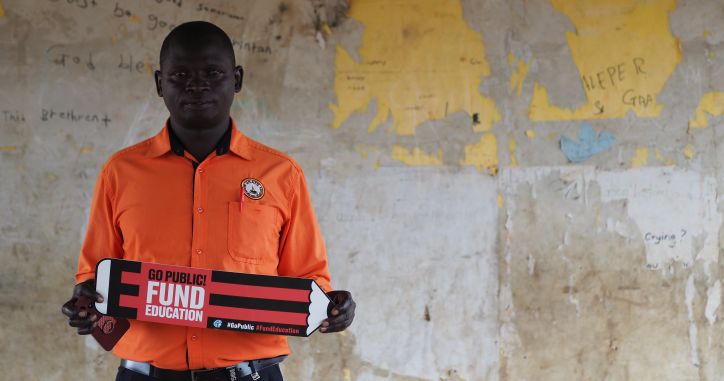
UASU has mounted a high profile and successful campaign to challenge the proposals for privatisation. We convened a major conference to address the issue, and this involved a wide range of stakeholders that we were able to bring together. We also drew on research findings and reports, several of which had been generated from the research expertise of UASU members. In addition, we connected our campaign with Education International’s ‘Go Public! Fund Education’ global initiative.
Alongside all these activities, we campaigned among our own membership to inform them about the issues, and to prepare them for the possibility of industrial action, should it be required.
All of these initiatives paid dividends when the Cabinet Secretary for Education announced that privatisation proposals had been withdrawn.
Worlds of Education: What do you think were the critical factors that enabled you to achieve this union victory?
I believe our success can be attributed to a number of factors. Our strong collective leadership model is key. We stand together, we know when to lobby, and we know when to withdraw our labour – we know when to do the right things. In this way, we have built strong support for union action across our membership.
Worlds of Education: Having been able to stop this attempt to privatise higher education, do you see any new threats on the horizon?
Certainly. We continue to be vigilant because the government is now proposing university mergers as a way to cut spending. This will not only impact jobs in the higher education sector, but it will reduce access to higher education for many students from disadvantaged backgrounds and those who live in areas that may lose their local university as the merger programme is clearly a plan for contraction.
At the moment, we are challenging these developments through parliamentary lobbying, but the campaign is on-going and may need to be escalated. We are taking all the necessary steps to ensure that we are ready and that we are effective for our members and our students.
The opinions expressed in this blog are those of the author and do not necessarily reflect any official policies or positions of Education International.