French-speaking unions call for investment in public education and stronger social dialogue
The Francophone Trade Union Committee for Education and Training (CSFEF) is stepping up its efforts in the fight against the commodification of education, calling for public investment and fact-based social dialogue that is central to decision-making.
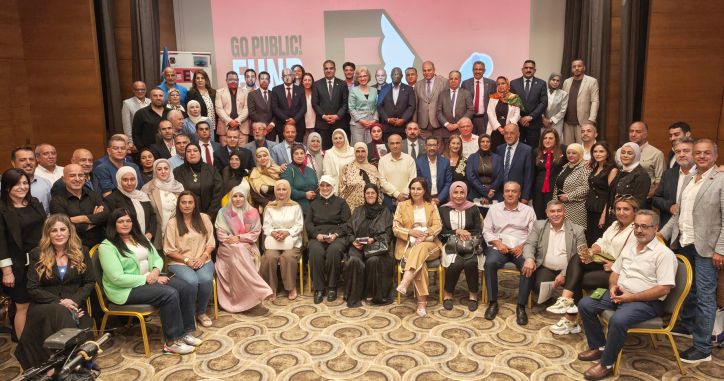
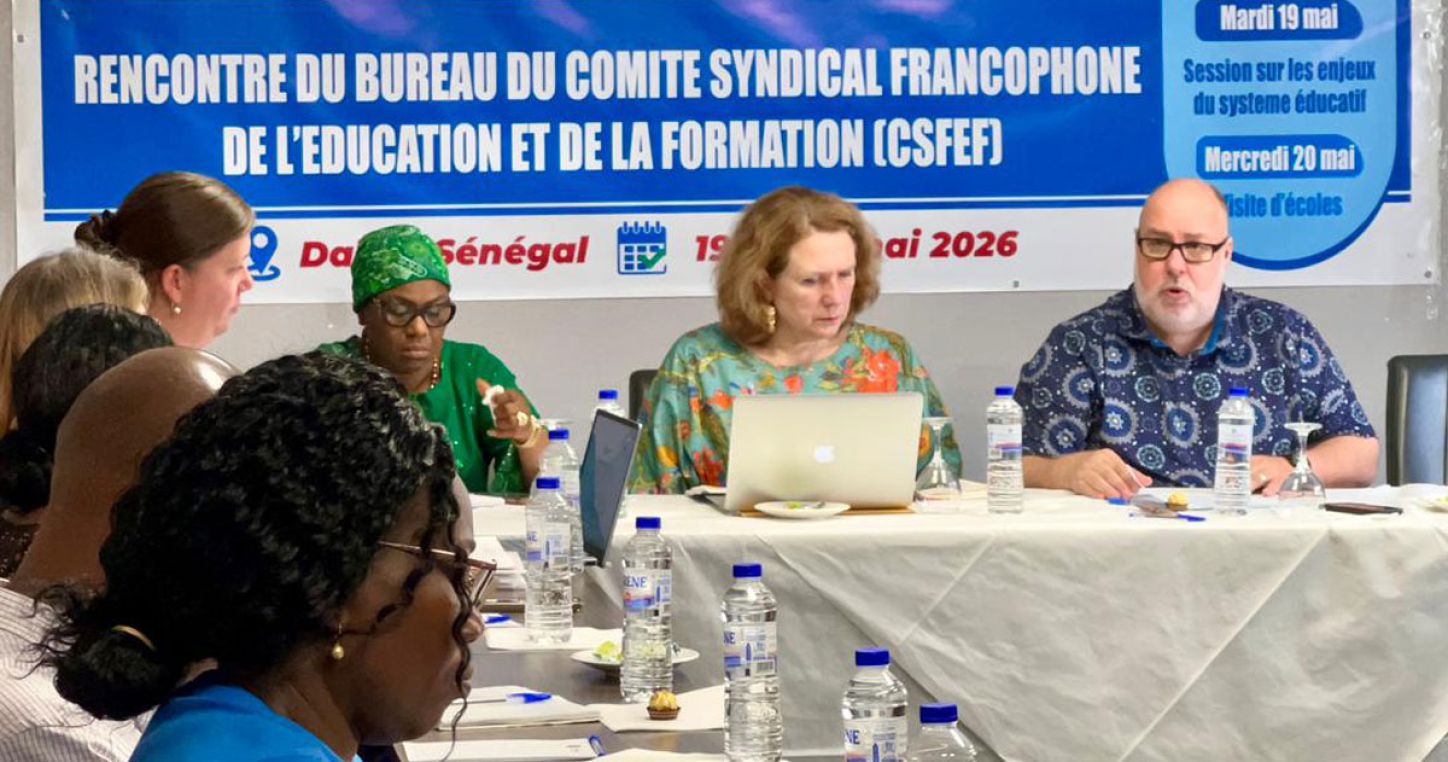
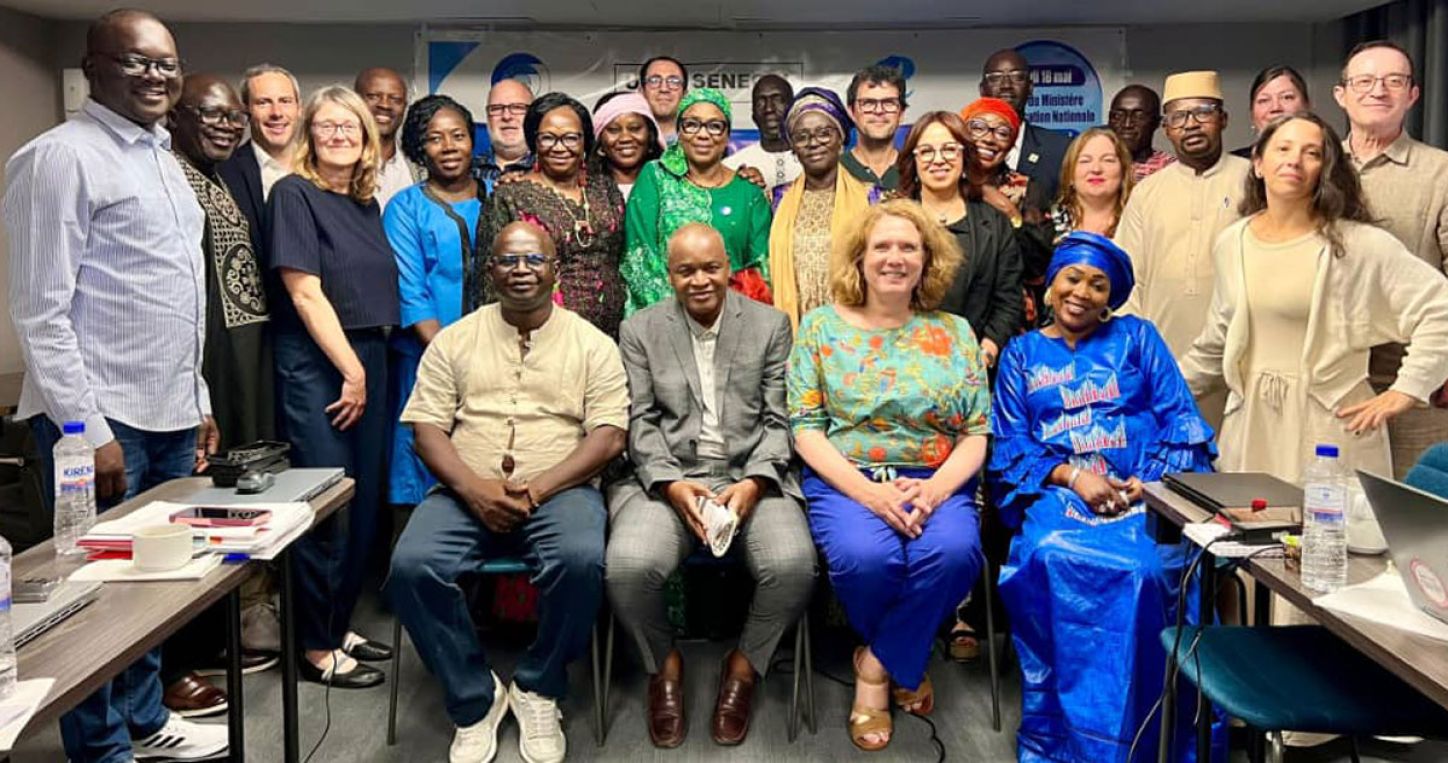
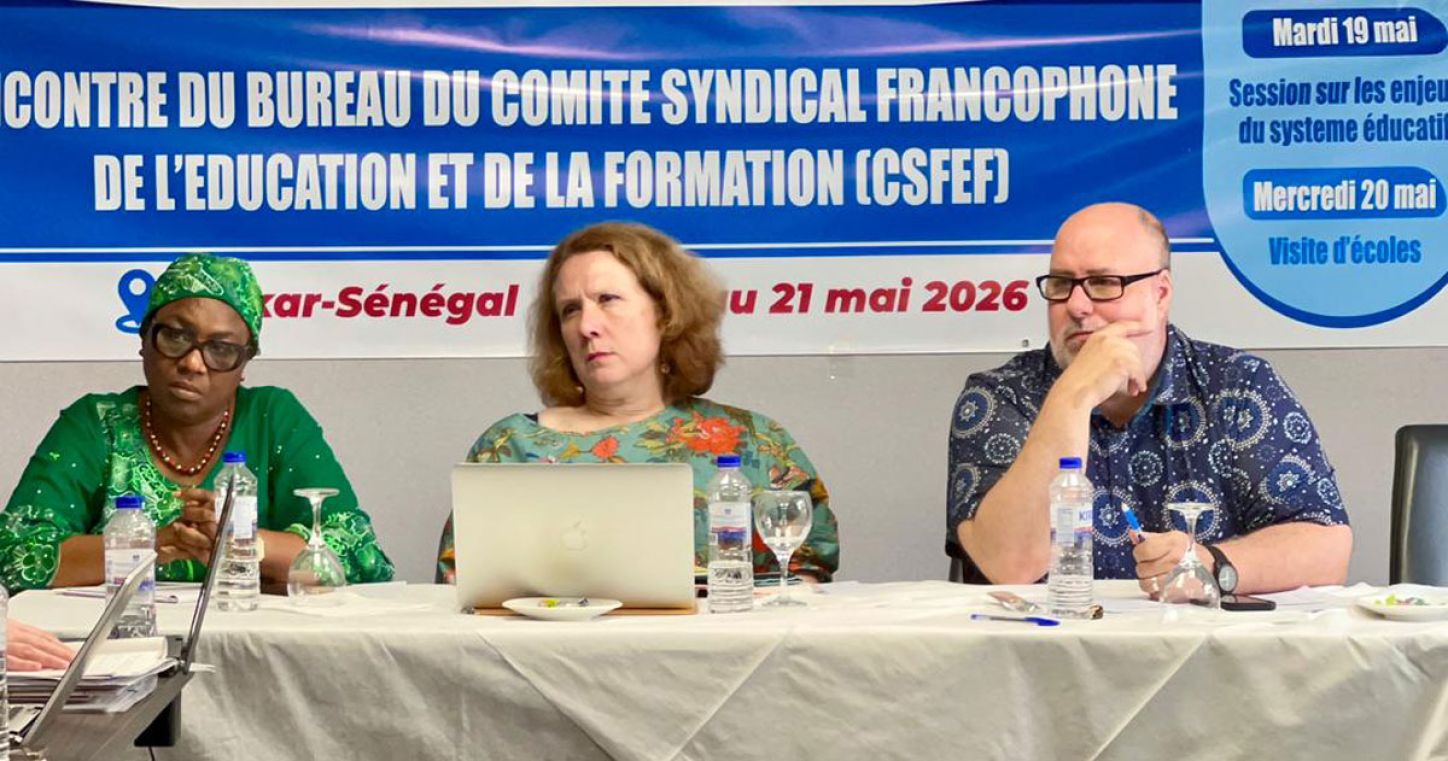
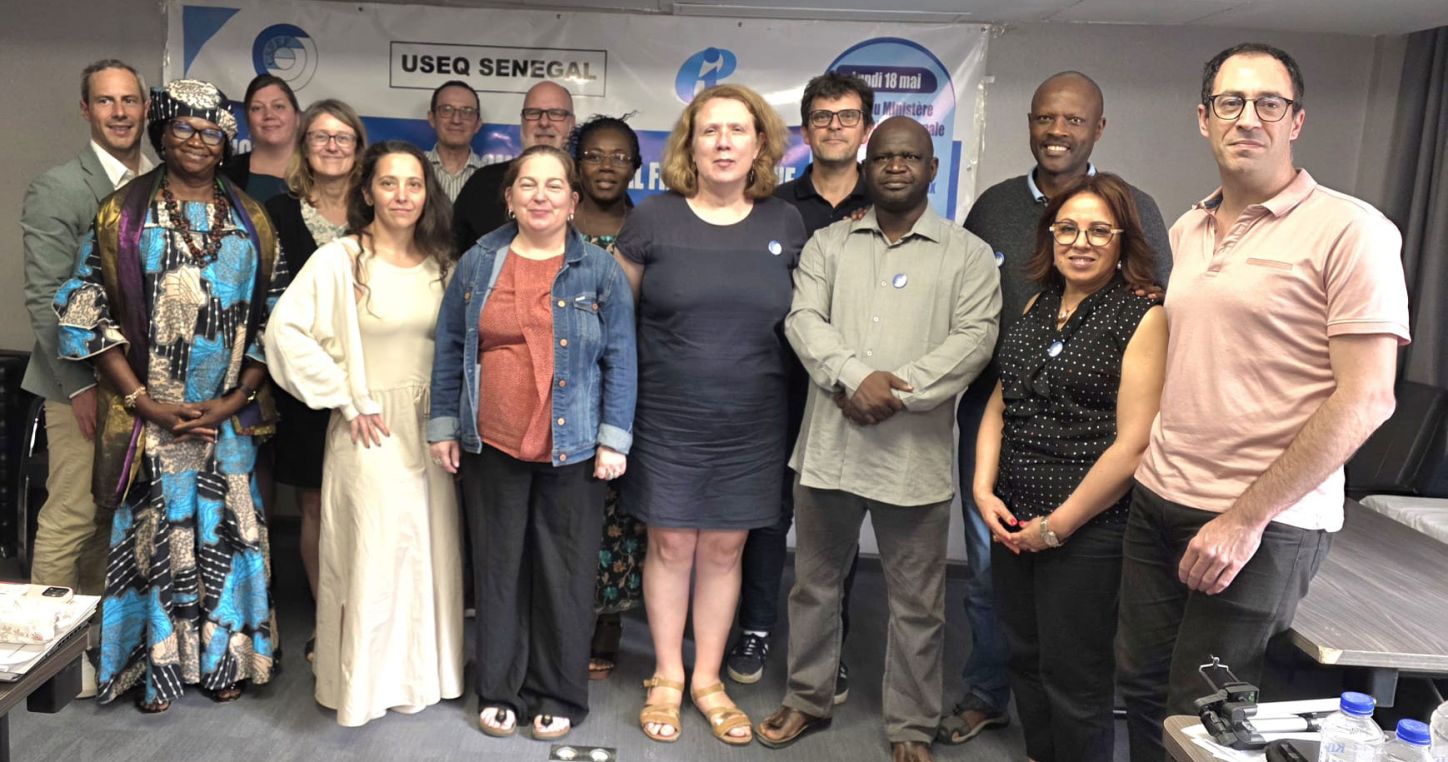
Meeting in Dakar, Senegal, from 18 to 21 May 2026, the CSFEF Executive Bureau raised the alarm over the expansion of private education, consolidating its strategy of advocating for public investment, building trade union power, and ensuring that trade unions take ownership of the findings of the Programme for the Analysis of Education Systems (PASEC).
Against the privatisation and commercialisation of education
Marième Sakho Dansokho, Vice President of Education International (EI) for the African region, said: “EI congratulates the CSFEF and fully recognises its value, its strong ties with EI, reflected in its ever-closer relations with EI Africa, which brings together the majority of the unions that are part of the CSFEF.”
For the union leader, “the CSFEF helps not only to strengthen trade unions in French-speaking countries, enabling them to be more effective in their daily struggle to secure quality public education for all, but also to foster a spirit of solidarity among French-speaking trade unions.”
The Francophone trade union movement must serve as a tool for tackling the challenges of “building unity in the labour movement, strengthening solidarity between trade unions in French-speaking countries – which will act together with equal standing, be they from the North or the South – and promoting the democracy that underpins the stability upon which a quality education system depends”, she added.
The EI Vice President also encouraged French-speaking trade unions to take part in the Go Public! Fund Education campaign and “to fully familiarise themselves with the tools at their disposal, such as the United Nations Recommendations on the Teaching Profession, Sustainable Development Goal 4, the Continental Strategy for Education in Africa, and the findings of research conducted by EI, to help organise their advocacy and hold governments to account”.
Sakho Dansokho concluded by noting that the 5th EI World Women’s Conference, which will take place in September in Bahia, Brazil, is an opportunity for the CSFEF to work on identifying Francophone delegates and building their capacity and knowledge on the theme of the conference — Rising United for Gender Justice: Educating the World, Leading Change, Defending Democracy — “to ensure active and noteworthy participation in the debates”.
Defending education as a fundamental right and a public good, Claire Guéville, President of the CSFEF, described a worrying dynamic in Senegal, which is part of a wider trend. “The CSFEF wishes to alert public opinion to the growing commodification of education and higher education,” she said. “In Senegal, over the course of a year, an average of five private schools have opened for every single state school.”
In this distorted competitive environment, added Luc Beauregard, General Secretary of the CSFEF, “companies are making profits at the expense of families and teachers, who are faced with increasingly precarious employment”. This “is a threat to social cohesion” and constitutes a common challenge for French-speaking countries.
An action plan: public funding, solidarity, and priority issues
The CSFEF also adopted an action plan for the coming year, focusing on the following trade union priorities: promoting public investment in education to improve working conditions; monitoring, across each country involved, the findings of the Programme for the Analysis of Education Systems (PASEC), to be published in October 2026; and developing trade union solidarity through exchanges, with a particular focus on supporting countries in crisis or at war.
Finally, the CSFEF plans to equip French-speaking trade unions with the tools they need to tackle priority issues in education: the impact of AI in schools, rising levels of violence, and peace education.
PASEC: bringing assessment into the realm of social dialogue
Going beyond these observations, the Dakar meeting endorsed a strategic focus: to play an active part in the institutional bodies of the Francophonie where education policies are shaped, to ensure that the voice of trade unions is heard.
As an international non-governmental organisation accredited to the Organisation Internationale de la Francophonie (OIF), the CSFEF enjoys recognised access to the political bodies within this organisation. The CSFEF intends to use this status to strengthen its ties with the Conference of Education Ministers of French-Speaking States and Governments (CONFEMEN), the OIF’s policy-making body for the education sector.
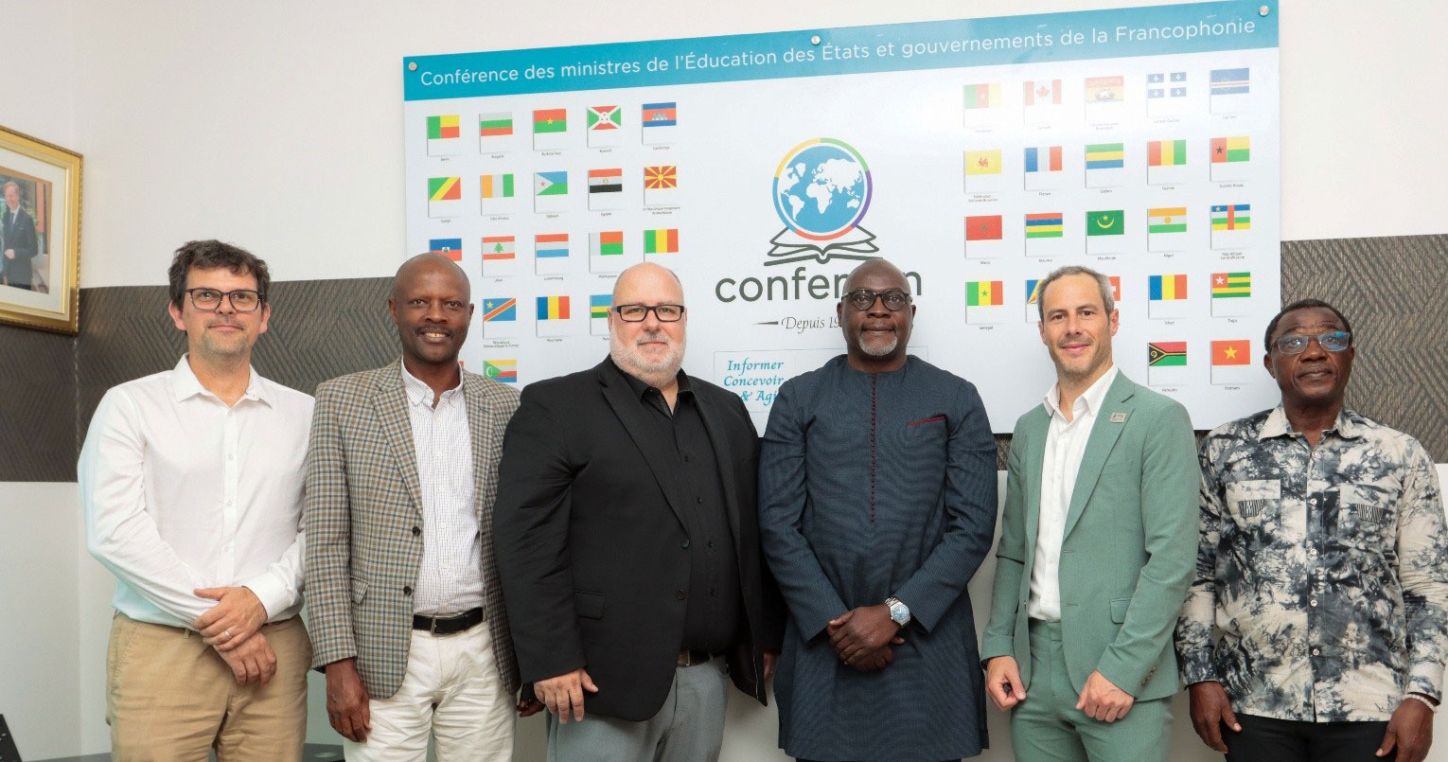
One topic dominated the discussions: the PASEC, run by CONFEMEN, which periodically assesses the reading, writing, and maths skills of primary school pupils in various French-speaking African countries. An issue was raised that is not only technical, but also political and social: in many countries, trade unions have not been involved in the programme by the national ministries responsible for education. As a result, PASEC is largely outside the realm of social dialogue.
IFEF: cooperation designed to support staff and promote equality
A fringe meeting was also held with the Francophone Institute for Education and Training (IFEF), the CONFEMEN body in charge of programmes supporting education policy.
The gathering, the first of its kind at this level, provided an opportunity to identify several avenues for collaboration. A concrete example of this is the RELIEFH programme (Open Educational Resources for Gender Equality). The RELIEFH programme stems from the simple observation that gender equality is still insufficiently integrated into the curricula of several French-speaking African countries. Teachers therefore require tools, content, and approaches that can be used in their day-to-day work. Information “caravans” have been announced, in Gabon, for example, as of September 2026, and the CSFEF plans to mobilise its local affiliate to help liaise and advocate effective implementation on the ground.
A Francophone initiative linked to the global Go Public! campaign
The CSFEF Executive Bureau has also aligned its activities with Education International’s Go Public! Fund Education campaign.
It warns that “without massive, stable, and equitable investment in education systems, French-speaking countries will neither be able to meet the commitments that emerged from the Millennium Development Goals, nor to achieve Sustainable Development Goal 4 on quality education for all. Far from being a luxury, education is essential to reducing poverty, improving health, achieving gender equality, fostering democratic vitality, and building the capacity to cope with economic, social and climate crises.”
Yet, it points out, millions of children in many French-speaking countries are not in school or leave school without having mastered basic skills. International reports highlight a massive funding shortfall preventing the universal provision of basic education, decent infrastructure, and the digital transformation of education systems. All too often, education is treated as just another budget adjustment variable.
That is why it points out that “the future of Francophonie is being shaped in schools”, and calls on governments to allocate at least 6% of GDP and 20% of public spending to education – the minimum thresholds required to train and recruit teachers, reduce class sizes, improve working conditions, tackle regional and gender inequalities, and ensure lifelong learning.
Taking communication to the next level
The Dakar meeting also highlighted a key breakthrough in communication. The CSFEF now has a more structured communication strategy, combining press releases, media coverage (such as Mediapart), and a stronger presence on social media. The idea is to build visibility that fosters political recognition and defends member organisations, making it harder for trade unions to be sidelined in the education debate.
Upcoming opportunities to promote social dialogue
A key next step is the publication of the PASEC 2024 findings on 26 October 2026. The CSFEF aims to be present at the launch of the reports and to influence how these results are presented, interpreted, and used.
For the CSFEF, this publication is a potential stepping stone to dialogue between trade unions and government authorities in the countries concerned, provided that the organisations are prepared, trained, and coordinated enough to fully play their role as partners in social dialogue. The CSFEF is committed to achieving this and is already planning capacity-building training for its member organisations.
The CSFEF therefore aims to assist the most committed organisations, particularly through webinars and capacity-building initiatives, so that trade unions can take ownership of the reports and develop well-founded advocacy. The aim is clear: when a trade union meets with a minister, it must be able to base its recommendations on specific elements of the reports, to establish a balance of power based on facts, without surrendering the political vision of an emancipatory public education system.
You can read the CSFEF’s Dakar statement dated 17 June here.