Malawi: Unions put education funding and improving working conditions on the national agenda
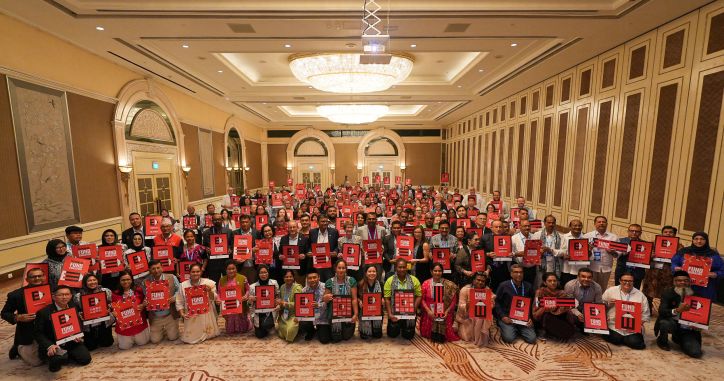
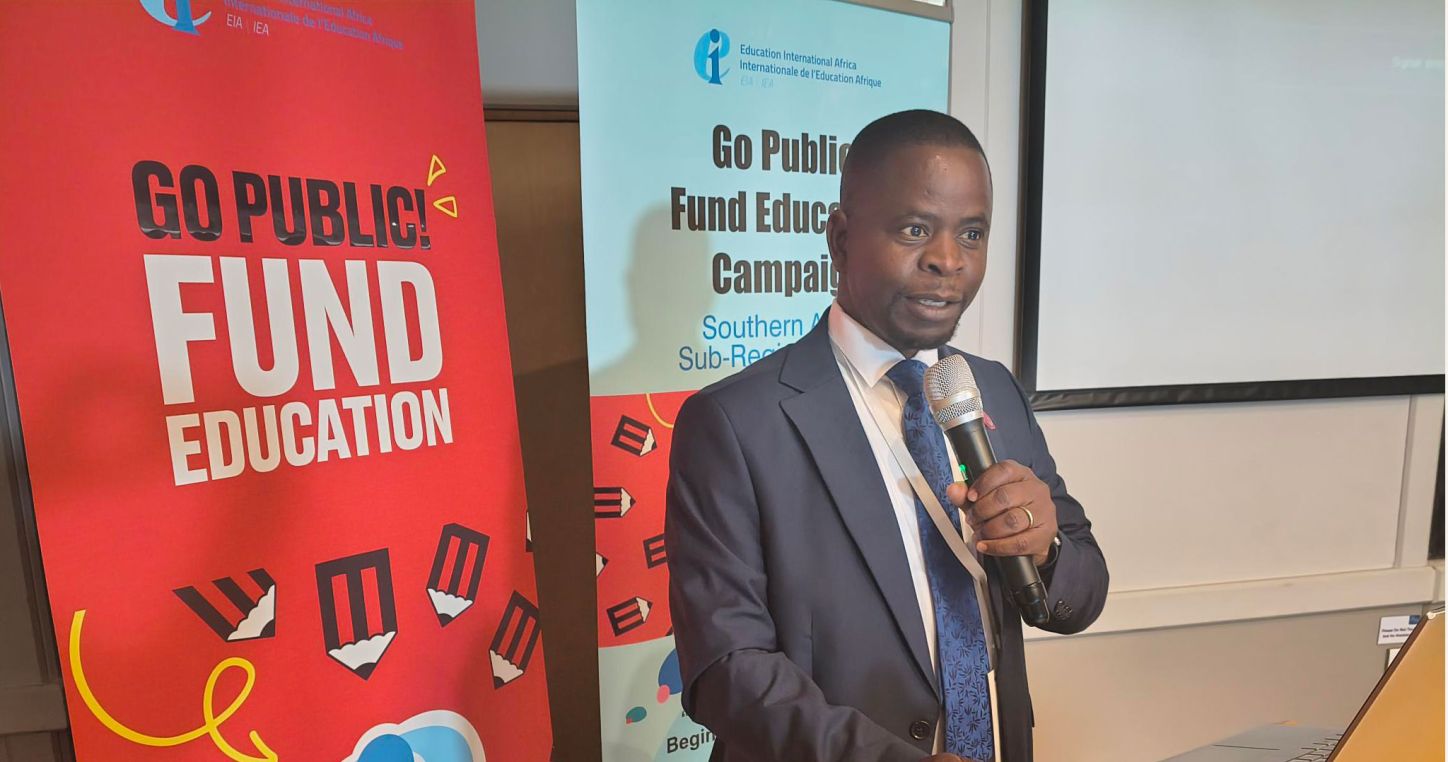
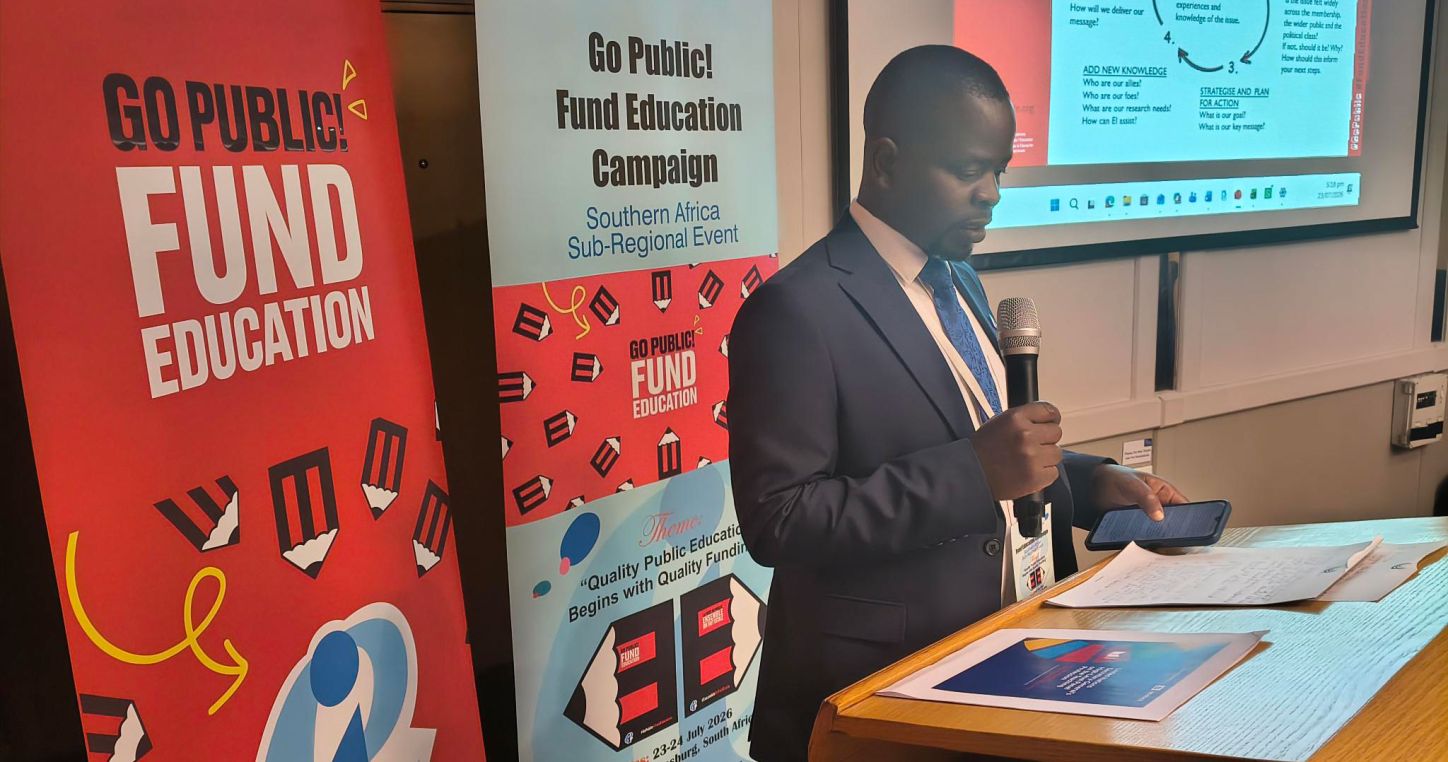
Education unions strongly reaffirmed that quality public education begins with quality funding during the Education International (EI) Southern Africa Sub-Regional Workshop on the Go Public! Fund Education campaign, held in Johannesburg, South Africa, from July 23rd-24th, 2026.
For Malawi, the two national EI member organisations – the Teachers Union of Malawi (TUM) and the Private Schools Employees Union of Malawi (PSEUM) – presented a country report of the implementation of the Go Public! campaign during this event convened by EI Africa and hosted by the South African Democratic Teachers Union (SADTU) and the National Professional Teachers' Organisation of South Africa (NAPTOSA).
As the teacher shortage worsens due to limited financing for education and rapidly growing enrollment, unions are calling on the government to increase the education budget and improve teachers' working conditions. In expanding their engagement with the Ministry of Education and Parliament, these organisations maintain that the only way to achieve quality education as a fundamental human right is through greater investment in teachers and stronger social dialogue.
Raising the profile of education funding
According to TUM and PSEUM's report, Malawi's economy faces multiple challenges, including high inflation and foreign exchange shortages, which have severely impacted financing for education.
School infrastructure remains underdeveloped, with many buildings lacking electricity and sanitation facilities, issues which are only exacerbated by growing enrollment and larger class sizes.
Teachers report delayed salary payments and a lack of promotion opportunities, disincentivizing more people from joining the profession and resolving the teacher shortage.
In the wake of these ongoing challenges, TUM has initiated closer engagement with Members of Parliament to ensure that education financing does not go under the radar.
In addition to negotiating for better salaries and promotions, TUM has submitted policy positions and recommendations on teacher welfare to Parliament. These demands include not only the timely payment of salaries, but also improved conditions of service and enhanced social protection for teachers. The union describes these changes as necessary to improve teacher retention, particularly with the cost of living on the rise in Malawi.
This strategy of increased engagement has led to greater public awareness around teacher well-being, with the topic entering national-level discussions between policymakers. However, TUM reports that this greater visibility has not necessarily led to concrete action or commitment from lawmakers.
Teacher promotions, salary increases, and other policies have only slowly been implemented and subject to numerous delays.
Malawi's unions recognize the progress that has been made, but stress that current funding remains inadequate to meet the growing needs of the nation's education system.
Broadening union capacity
TUM has continued to expand its ranks over the past year, engaging new members through key topics such as labour rights and professional development. The report notes that these advocacy efforts, along with a greater presence on social media and digital communication platforms, have been essential to the union's continued growth.
District and regional union structures have also grown more active and responsive to member concerns, thanks to more regular consultation with national union leadership.
The report cites increased member participation in union activities, and members' growing confidence in using evidence to advocate for teachers' rights and public education.
These capacity-building tools are key to strengthening social dialogue between unions and education stakeholders, with the goal of securing greater protections for teachers.
While economic challenges nevertheless continue to affect the nation, Malawi's unions are bringing education financing to the forefront of the national conversation, and are positioned to maintain their engagement with Parliament over the next 12 months. Their ongoing work, a vital part of the Go Public! campaign, continues to advocate for quality public education as not only a fundamental human right, but also a public responsibility.