Fiji: Educators demand better pay and working conditions to halt overseas brain drain
Hundreds of teachers, retired educators, and Fijian Teachers Association (FTA) members marched to voice growing concerns over low salaries, worsening working conditions, and the continued loss of experienced teachers to overseas employment opportunities.
The largest teachers’ march in recent years
The peaceful march through the streets of Fiji’s capital, Suva, on August 25th, 2026, brought together educators from early childhood, primary, and secondary schools in a united call for the Government to prioritise the welfare, retention, and professional recognition of teachers across Fiji. It was one of the largest teachers’ demonstrations in recent years and reflected increasing frustration within the profession over unresolved workplace challenges.

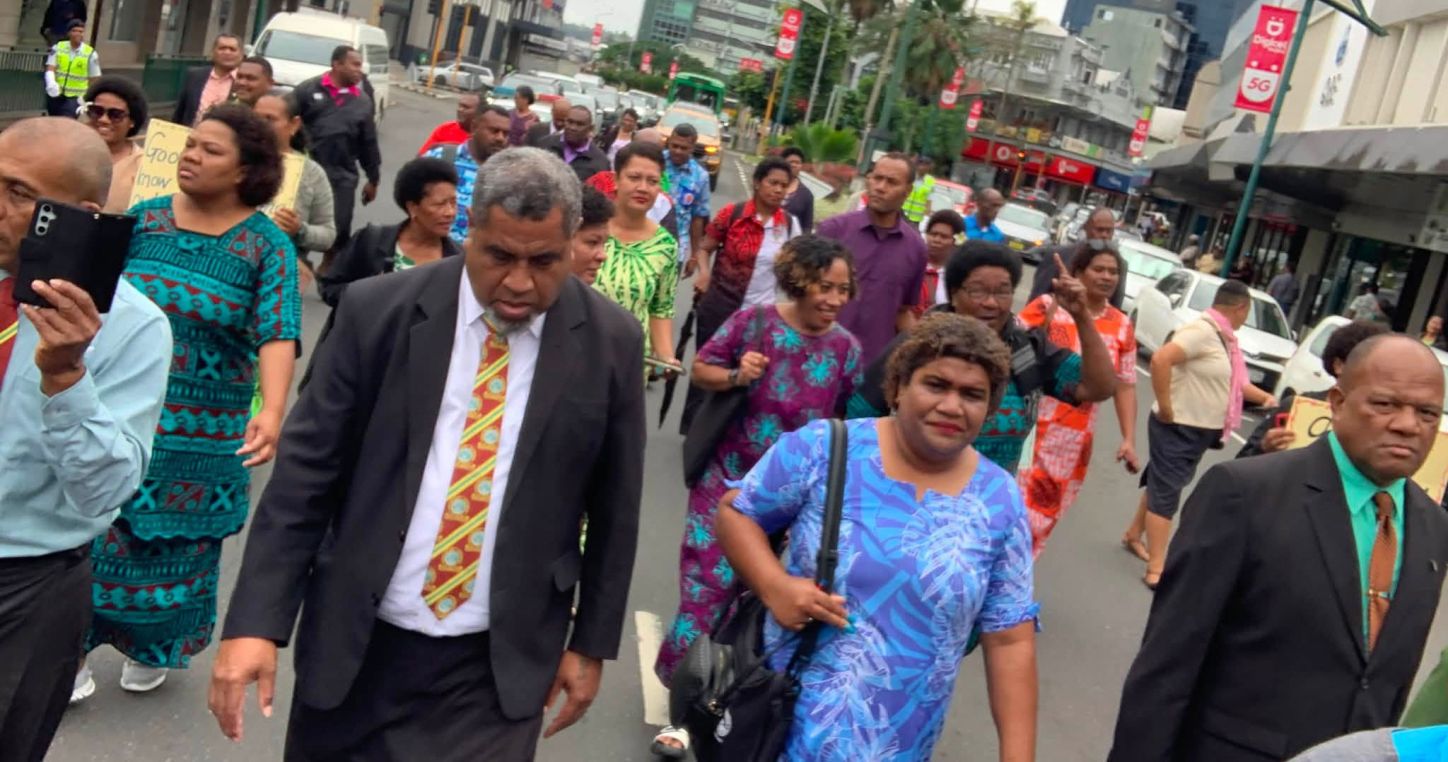
Fiji's teaching profession had not witnessed a large-scale collective march for many years, making this gathering a significant demonstration of solidarity and commitment to the future of quality public education. Teachers highlighted mounting pressures on educators and the urgent need for meaningful reforms to strengthen the profession and improve learning outcomes for students.


According to FTA General Secretary, Mr. Paula Manumanunitoga, stagnant salaries and inadequate conditions are contributing to the migration of experienced teachers to Australia and New Zealand, in search of better opportunities.
"We want the Government to pay more attention in order to have quality education. We are losing the most experienced teachers because of poor pay and the attraction of better opportunities overseas."
Key union concerns
The FTA identified several key issues affecting the teaching profession.
Firstly, teacher shortages continue to undermine the quality and sustainability of education systems. As growing numbers of educators leave the profession or seek opportunities elsewhere, schools are struggling to fill vacant positions. Delays in recruiting and retaining qualified teachers mean that those who remain are often required to take on additional responsibilities, increasing their workload and placing greater strain on teaching and learning conditions.
Secondly, educators and FTA are raising concerns that compensation has failed to keep pace with the realities of the professional workload.
In addition to their teaching responsibilities, teachers are increasingly expected to manage administrative tasks, reporting requirements, and broader student support needs. Without fair remuneration and recognition of these growing demands, education systems risk exacerbating recruitment and retention challenges.
Thirdly, teachers are confronted with growing challenges in the classroom. They work in increasingly complex learning environments and are often on the front line of addressing broader social challenges affecting students. Issues related to student wellbeing, mental health, behavioural concerns, and substance abuse require significant time, attention, and professional support. Without adequate resources and support services, these additional responsibilities put pressure on educators and can have a serious impact on their wellbeing and their ability to provide quality education for all students.
The latest demonstration in Suva sent a clear message that teacher welfare must become a national priority if Fiji is to retain a qualified, experienced, and motivated teaching workforce.
Addressing concerns relating to salaries, staffing shortages, increasing workloads, and workplace conditions is essential not only for the wellbeing of teachers but also for maintaining the quality of public education for future generations.
92nd FTA Annual Conference
The march further coincided with the 92nd FTA Annual Conference, with the theme “Strengthening iTaukei - Indigenous Fijian people - education through vocational training and higher education,” where teacher welfare, retention, remuneration, and working conditions were central themes of discussion.
Participants expressed hope that the conference would provide an opportunity for meaningful engagement with policymakers and education stakeholders on solutions to the challenges facing the profession.
They also acknowledged that there is an urgent need for constructive dialogue and concrete action to improve the status of the teaching profession, strengthen teacher retention, and stem the growing migration of educators overseas. Sustained investment in teachers remains critical to ensuring a resilient, effective, and high-quality public education system for all.
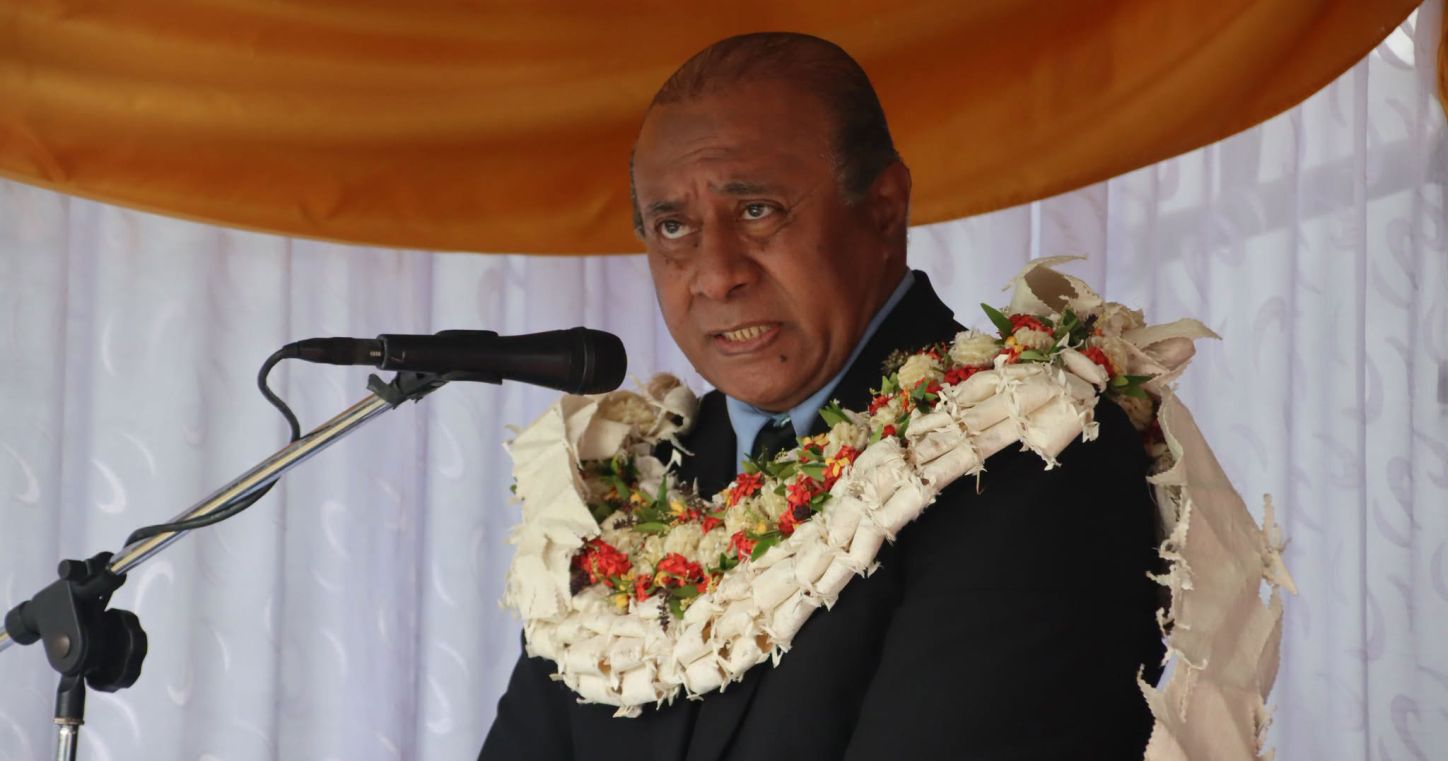
Addressing the conference, The Honourable Ro Filipe Tuisawau, Fiji’s Minister for Public Works, Meteorological Services and Transport, acknowledged the important role teachers play in shaping Fiji’s future and recognised their dedication to educating and inspiring young Fijians.
“The Government recognises that investing in teachers is an investment in Fiji’s future. When we support our teachers, we strengthen our schools. When we strengthen our schools, we empower our children. And when we empower our children, we strengthen our nation.”
Minister Tuisawau also noted that technology, changing workplace skills and climate challenges require continuous professional development, innovation and stronger partnerships between government, teachers, communities and educational institutions. “Above all, it requires us to remain united in our commitment to the education of our children,” he underlined.
Go Public! Fund Education
The Fijian educators’ concerns echo the objectives of Education International’s global campaign Go Public! Fund Education, launched three years ago. The latter is an urgent call for governments to invest in public education, a fundamental human right and public good, and to invest more in teachers, the single most important factor in achieving quality education. This means guaranteeing labour rights and ensuring good working conditions, as well as manageable workloads and competitive salaries for teachers and education workers. It also means valuing teachers, respecting teachers, ensuring they are central to decision-making, and trusting their pedagogical expertise.
The campaign was endorsed by the Fijian education unionists, as well as their colleagues within the Pacific Islands. From October 27th-31st, 2025, the triennial conference of the Council of Pacific Education (COPE) brought together education union leaders from 11 countries came together to share experiences, challenges, and Go Public! Fund Education campaign priorities in their respective countries.
Participants agreed that teacher shortages, the direct result of underinvestment in education, plague the region. UNESCO further reports that an additional 300,000 teachers will be needed in Oceania by the end of the decade. Without them, quality universal basic and secondary education for all cannot be realised. While a shortage of 300,000 teachers seems minor in comparison to other regions of the world, its impact is devastating for island nations with small populations.
Delegates also called for the establishment of a teacher workforce commission for the Pacific region. Strongly encouraged by the United Nations Recommendations on the teaching profession, the commission would be charged with the responsibility “to assess and tackle shortages of adequately trained teachers. Such commissions or mechanisms should address labour market analyses, recruitment, teacher migration, attrition and retention, compensation, status and rights, workload and well-being, equity (including the ratio of qualified teachers to students), equality and infrastructure”.