Build back safer: Education and justice at a time of climate crisis
Sign up
Sign up for the Worlds of Education newsletter.
Sign up
Sign up for the Worlds of Education newsletter.
Thank you for subscribing
Something went wrong
I come from a community in Nepal where opportunities for education and leadership have not always been equally accessible. My own journey has taught me an important lesson: Education is not only about gaining knowledge; it is also about creating dignity, equality, voice, and opportunity for everyone.
As a teacher, I have seen how gender, social background, economic condition, language, geography, and other forms of inequality can affect a learner’s educational journey. Climate change is now further deepening the many inequalities we are struggling to address.
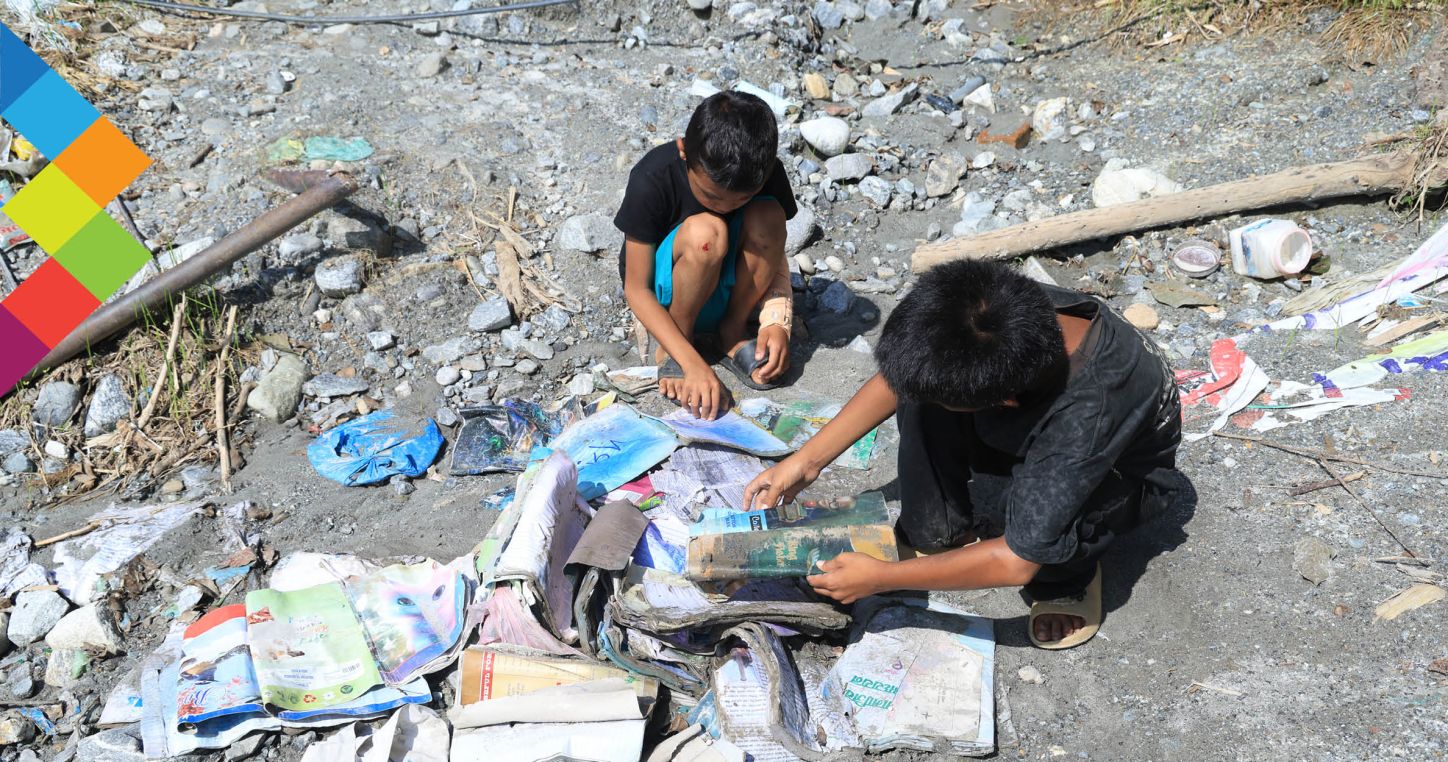
The climate crisis is no longer a distant threat. It is already affecting our communities, our schools, our livelihoods, and our children’s futures. The people and communities who have contributed the least to the climate crisis often face some of its gravest consequences. Poor communities, rural and remote populations, Indigenous and marginalized communities, women, children, and other vulnerable groups face greater risks during climate-related disasters. The Bhotekoshi flood that took place in my country is just one example but it speaks volumes.
Life and education in a natural disaster
On August 26, 2026, corresponding to Bhadra 10, 2083 BS, a devastating flood occurred along the Bhotekoshi–Trishuli river corridor, particularly affecting Rasuwa, Nuwakot, Dhading, and Gorkha districts of Nepal. According the latest data released by the National Disaster Risk Reduction and Management Authority of Nepal on 6 November, 1,464 people have lost their lives and 5,285 are missing. 171 foreign nationals from seven countries are among the missing.
The National Planning Commission’s preliminary Post-Disaster Needs Assessment counts 32,872 people directly affected across 6,817 households. It also reports 13,795 people rescued. The same assessment puts damage and losses at Rs 472.66 billion (approximately 3.19 billion USD), with reconstruction and recovery needs of Rs 706.65 billion (approximately 4.77 billion USD). Consumption-based poverty in the affected local governments rose from 12.2% to 14.9%. Nepal’s economic growth could fall by about one percentage point.
The flood also devastated education. Of the 57 schools assessed in Rasuwa, Nuwakot, and Dhading, 15 were completely destroyed and 28 damaged, and 277 classrooms were lost. The flood displaced 777 students and 118 teachers and disrupted the education of 5,486 children (Ministry of Education and Sports, October 2026). In September, the ministry reported 233 students and 16 teachers missing.
When schools are closed, children's learning, safety, mental health, and future are on the line.
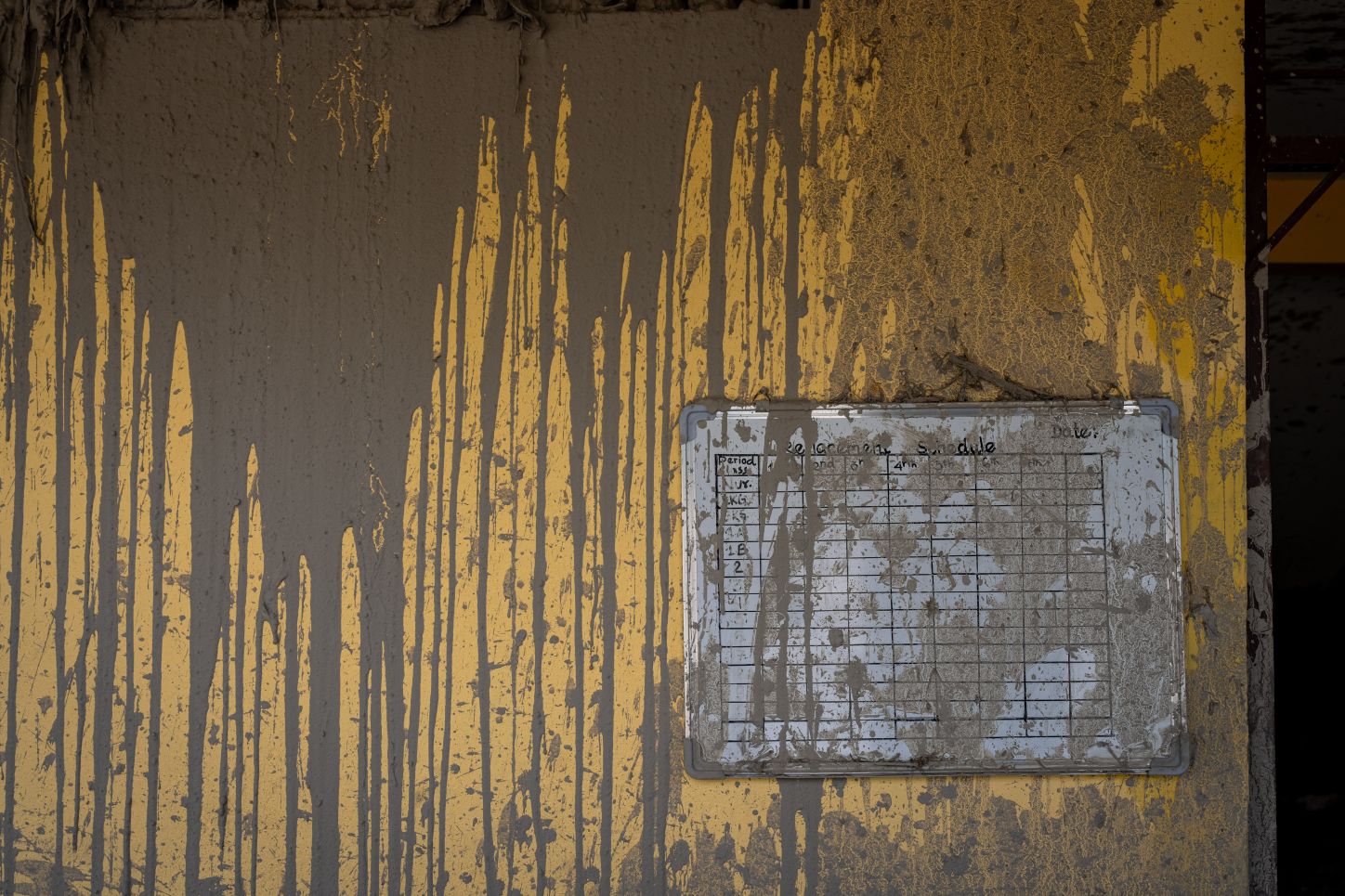
More than build back better, build back safer
This disaster also highlighted the critical role of teachers. At Tribhuvan Trishuli Secondary School in Nuwakot, Headteacher Mr. Rajendra Dawadi and the school team, after receiving a flood warning, successfully moved more than 900 students and 16 staff members to a safe location. Similarly, at Bageshwori Secondary School in Baireni, Dhading, approximately 400 students were evacuated to safety by their teachers and school leaders. The school suffered damage to its physical infrastructure, educational materials, laboratories, and other facilities but the community survived.
These experiences send us a clear message: During a disaster, teachers are not only teachers; they can also become first responders. Therefore, our priorities should focus on five areas:
- Safe schools;
- Effective early-warning systems;
- Disaster preparedness and first-aid capacity for teachers;
- Education continuity plans;
- Climate and disaster awareness education for children.
The Bhotekoshi flood damaged school buildings, but it did not destroy the commitment of teachers or the hope of children.
At a time of climate crisis, our goal now should not only be to “build back better” but also to “build back safer”.
Let us make this our shared commitment: No child in Nepal or anywhere in the world should have their education suffer because of a disaster.
Rising united for a better world
To meet this commitment, we must begin by asking: Who is paying the price for the climate crisis? Who is responsible for ensuring justice for those who are most affected?
We all are.
Climate justice is also gender justice, social justice, and education justice. So let us rise united for gender and climate justice. Let us rise united for education and social justice.
Together, our voices are stronger.
Together, our solidarity can create change.
Together, we can build a more equal, just, and sustainable world.
The opinions expressed in this blog are those of the author and do not necessarily reflect any official policies or positions of Education International.