Education budget reform: Maximising the impact of education funding to ensure quality and equity in Indonesia

Sign up
Sign up for the Worlds of Education newsletter.
Sign up
Sign up for the Worlds of Education newsletter.
Thank you for subscribing
Something went wrong
Indonesia deserves recognition for making education a constitutional priority. This commitment reflects our country’s awareness of the fact that education is not merely a development sector, but the very foundation for human development, democracy, and citizenship. However, despite the state’s attention to education, the fundamental question remains: to what extent is education budget policy truly capable of addressing issues of educational quality and equity?
In practice, an analysis of the size of the education budget alone is insufficient in determining the extent to which it is adequate to improve the quality of learning and the equitable distribution of educational services. The main problem lies in the budget policy approach, which is still based on a formulaic one-size-fits-all calculation of "educational functions," rather than on the actual needs of students and educational units. Further, the education budget is spread across various ministries and institutions with diverse interests, including civil service education and civil service training. As a result, the budget's focus is fragmented and its leverage on national education quality is weakened.
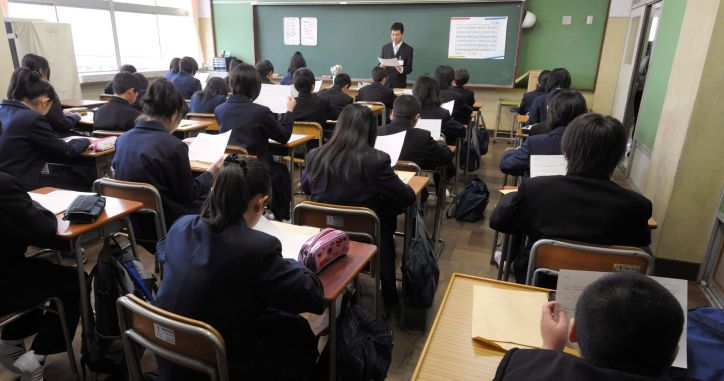
This situation has a direct impact on schools and universities. Many educational units have inadequate facilities, access to technology, and learning support. Disparities in educational quality between regions have not been significantly addressed. Schools in remote and disadvantaged regions continue to struggle to meet national standards, while policy and budget support do not fully address their needs.
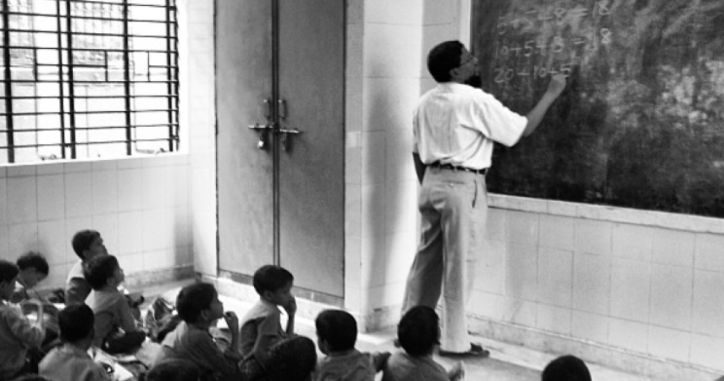
Teachers are the most crucial point. As key actors in education, teachers should be the focus of budget policy. However, many teachers still face welfare issues, uncertain employment status, and limited access to continuous professional development. Excessive administrative burdens also consume teachers' energy and time, reducing their focus on the learning process. Without budget policies that support teachers, it is unrealistic to expect sustainable educational transformation.
Similar issues are also evident in higher education. Inaccurate budget allocations have led to an increased financial burden for students. This situation threatens the principle of education as a right and widens the gap in access, especially for disadvantaged groups. Ironically, this situation also impacts the supply of future educators, including prospective teachers and lecturers, who should receive full support from the state.
It is in this context that the Association of Teachers of the Republic of Indonesia (PGRI) affirmed our position to push for more equitable, effective, and quality-oriented education budget reform. We believe that education budget policy must return to its primary objective - ensuring inclusive, quality, and equitable public education.
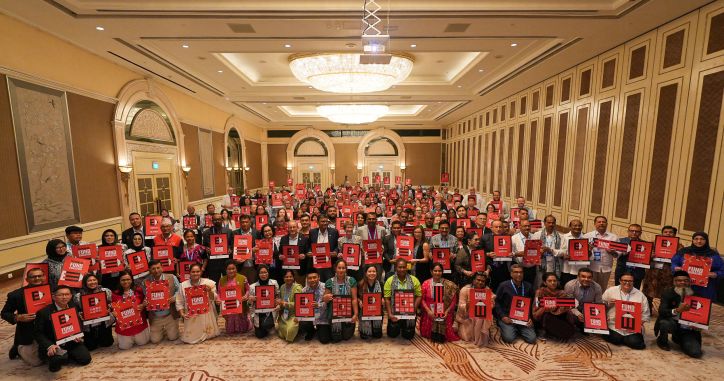
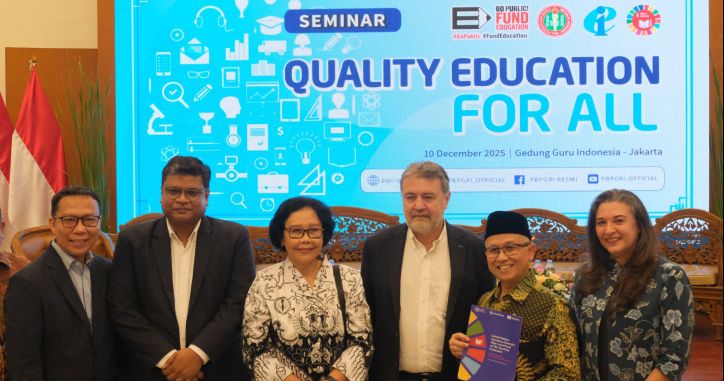
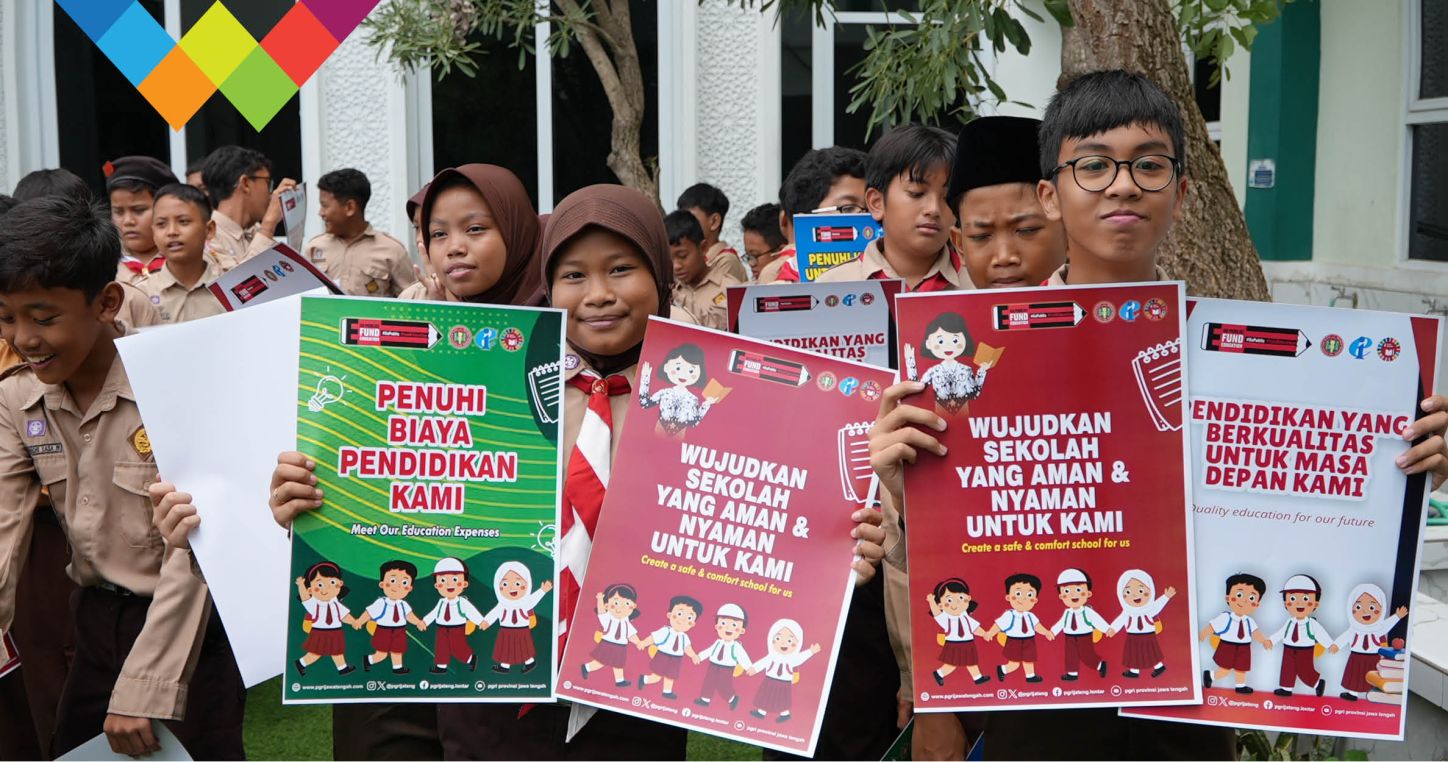
To this end, we have joined the Education International Go Public! Fund Education campaign, bringing this global mobilization to Indonesia.
The Go Public! Fund Education campaign emphasizes that education funding is the responsibility of governments and the global community, not a burden to be shifted to individuals or families. Quality education can only be achieved if governments see education as a long-term public investment, with a focus on strengthening public schools, educator welfare, and equitable access for all citizens. PGRI, as part of Education International, fully supports this campaign as a manifestation of global solidarity and our national commitment to improving the education system.
Education budget reform is imperative. A comprehensive evaluation is necessary to ensure that budget allocations truly address core educational needs. Priority should be given to institutions directly providing education, with the primary goal of improving the quality of learning, strengthening the professionalism of teachers and lecturers, and ensuring equal access to education. Budget fragmentation, which undermines policy effectiveness, needs to be ended through clear coordination and alignment.
Furthermore, education budget reform must be placed within a broader national policy framework. The National Education System Law affirms the right of every citizen to receive a quality education. The national development agenda, including the vision to develop our nation’s human resources, places education at the centre of our strategy for the future.
As our union has proven time and time again, we are a strong and reliable partner to policy makers intent on improving the quality of education in Indonesia. Engaging in social and policy dialogue has enabled us to deliver tangible results for teachers across the country, including the eventual conversion of up to one million contract teachers to secure permanent employment. To date, 700,000 teachers will have access to professional education programmes in order to complete their certification attracting additional benefits.
This social dialogue must continue. We stand ready to work alongside policy makers so that the education budget reform boosts effectiveness and delivers educational quality and equity for all students across Indonesia.
The opinions expressed in this blog are those of the author and do not necessarily reflect any official policies or positions of Education International.