Education International stands in solidarity with Greenland’s teachers while defending Indigenous rights and education
Educators in Greenland and their union colleagues from around the world mobilized to defend Indigenous rights and democratic self-determination.
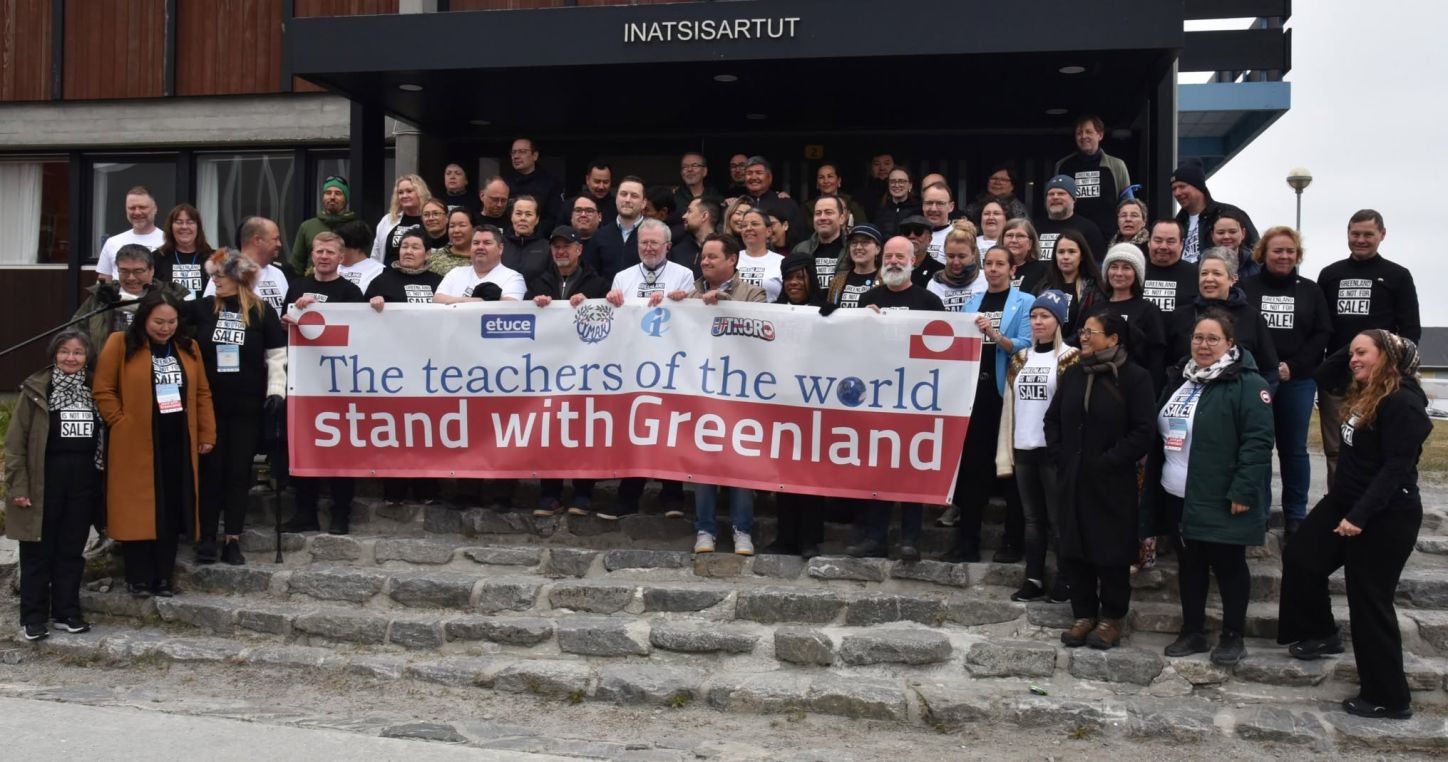
They convened as part of the Greenland Education and Solidarity Summit, co-hosted by Education International (EI), the Greenlandic Teachers’ Union, Illinniartitsisut Meeqqat Atuarfianneersut Kattufiat (IMAK) and UTNORD, the northwestern region of the Nordic Council (NLS).
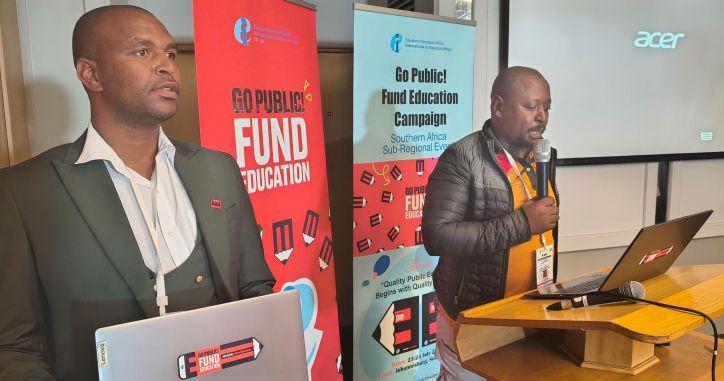
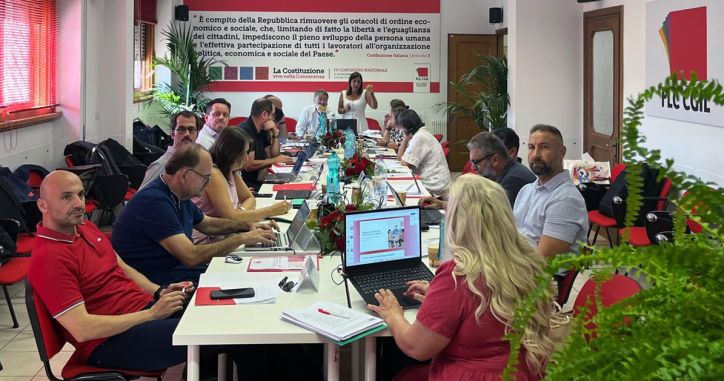
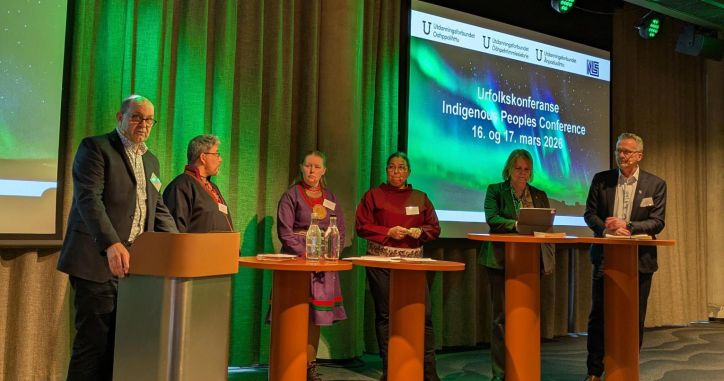
Held from June 8–10, 2026, the summit brought together close to 60 representatives from education unions worldwide to share strategies, strengthen solidarity, and support teachers facing rising geopolitical pressure and attempts to take their land.
EI member organizations gathered in Nuuk, Greenland’s capital, also shared and discussed strategies for the preservation of Indigenous knowledge and language in education.
EI leaders had a clear message: education rooted in Indigenous language, culture, and community is central to both democracy and self-determination—and it must be defended.
Standing up for Greenland, standing up for Indigenous education
IMAK President Elna Heilman underscored the significance of the summit for the union and the teachers of Greenland:
“This summit means a lot to our work and how we take the next steps as an organization, and to build collaboration with other organizations around the world. I was very touched to see members of Parliament and ministers join our solidarity statement—it shows how much this matters to all of us. Democracy is the key. Countries must belong to their people, and it is up to all of us to defend that. I am very thankful that Education International and unions from around the world came to stand with us.”
A global show of solidarity
The summit followed a solidarity visit to Greenland in September 2025 by EI General Secretary David Edwards and Icelandic Teachers’ Federation President Magnús Þór Jónsson, during which they condemned threats to Greenland’s sovereignty and reaffirmed their support for IMAK.
During the summit, Edwards reiterated that message:
“What is great about Greenland is what’s in the hearts of the Greenlandic people, not what is below their feet. On behalf of the world’s teachers, we are with you. We will never leave you. Count on us. Count on IMAK.”
Highlighting EI’s global reach, he added:
“We represent 33 million educators around the world who teach both history and build the future. And we have very strong core values, dedication to human rights, dignity and democracy. We are here because of IMAK—your teachers are your diplomats to the world.”
Adding their voice from Denmark, Niels Jørgen Jensen, vice-president of the Danish Union of Teachers (DLF) explained that "Denmark and Greenland have a lot have in common: the value of democracy, a way of relating to people, a welfare society that supports a sense of community, and a sign of something that extends beyond the individual''. Jensen emphasized that "we must hold firmly to the fact that Greenland has its own culture, its own mother tongue, its own unique history and nature."
EI Vice-President and president of the National Education Association (NEA) Becky Pringle underscored that Greenland’s struggle is part of a broader global fight against threats to democracy and workers’ rights:
“We know what it is to be under threat from the Trump administration. But we will not be silent. Our educators, our unions are standing in solidarity with you… We will stand up for ourselves and our communities, and we will stand with you because we understand our diversity is our strength.”
She added:
“You are not alone. We are standing strong with you in solidarity today, tomorrow, forever. Greenland’s future is Greenlanders.”
During the Global Solidarity Event held at Greenland’s Parliament, union leaders and educators united around a shared declaration: “Greenland is not for sale.”
Linking struggles across Indigenous communities
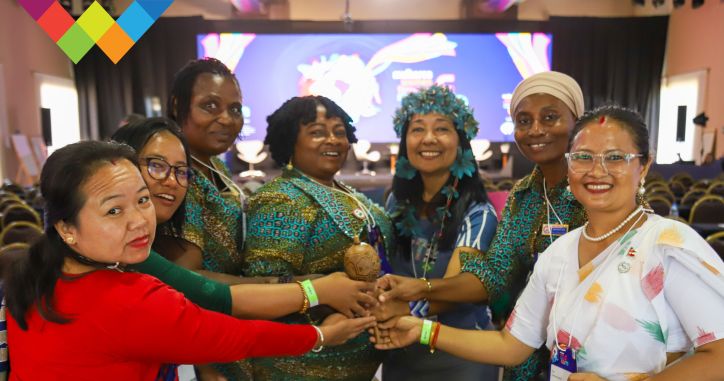
The summit also amplified voices from other Indigenous communities facing similar challenges. Participants from Hawaii, The Nordic Sámi region, Canada’s Nunavut, Mexico, and beyond shared experiences of promoting mother-tongue instruction and resisting reductive and irrelevant education systems.
Discussions focused on how teachers and unions can influence policy to ensure education systems are designed with and for Indigenous communities—not imposed on them, reinforcing the centrality of language, culture, and identity in learning.
Participants explored practical strategies for strengthening culturally relevant pedagogy, improving teacher working conditions, and advancing collective bargaining—recognizing that teachers’ working conditions are students’ learning conditions.
Defending democracy, education, and self-determination
Throughout the summit, speakers emphasized that the fight for inclusive, meaningful and culturaly relevant education is inseparable from the defense of democracy and sovereignty.
Jelmer Evers, Director of the European Trade Union Committee for Education (ETUCE), stated:
“We’re here for democracy, for public education, and for the right to govern yourselves. We support you in your struggle… all European teachers and education personnel stand with you. Greenland is not for sale.”
From panel discussions to community actions, including a solidarity march and rally at Parliament, the summit demonstrated the power of collective action in the face of external pressure. As the summit concluded, Education International and its member organizations reaffirmed their unwavering solidarity with Greenland’s teachers and people .