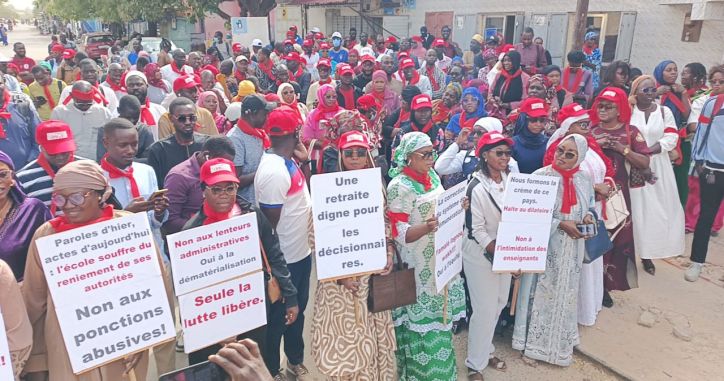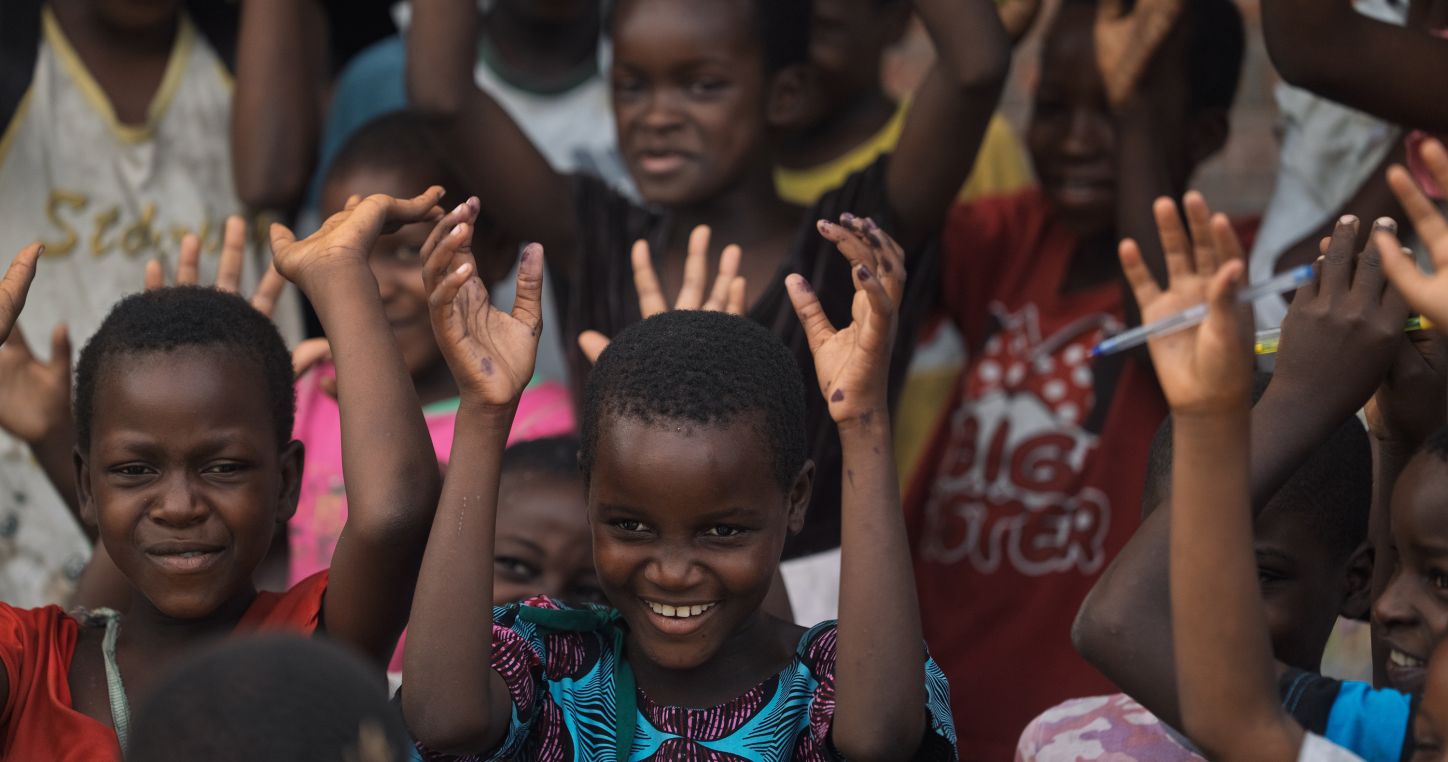
Education International and its members bring over 5,700 children out of child labour and into school
Education International and its members are part of a program that empowers teachers and mobilises communities against child labour. The approach which involves capacity building, union partnership, and community engagement is delivering outstanding results and effecting enduring change.
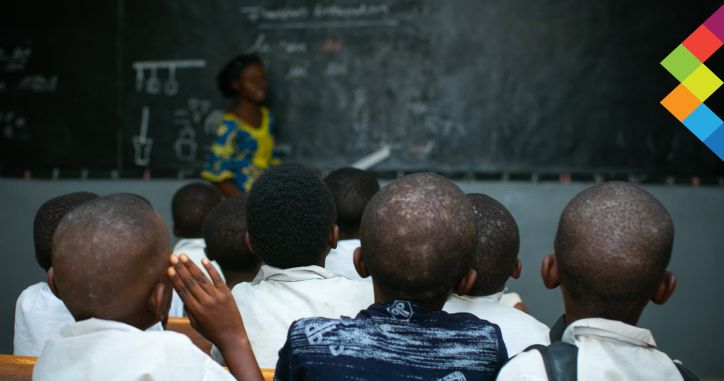
The story of Mrs. Joyce, a teacher at Mulali School in Kagulu, Uganda, and one of her students, showcases the power of teachers, unions, and communities working together.
Mary, age 13, had been out of school since 2024, when her mother passed away. Her father, remarrying, refused to pay Mary’s school fees and expected her to work as a gardener and take care of household chores. When her father arranged a marriage against her will, she rushed to her former teacher, Mrs. Joyce.
After learning about the situation, Mrs. Joyce went to Mary’s father to explain that investing in his daughter’s education would be beneficial in the long term. At first, the father refused to listen, but Mrs. Joyce persevered and succeeded in convincing him to allow his daughter to return to school.
Mrs. Joyce explained how her union training has increased her confidence in having these types of conversations: “Before the training, I might have tried to help this girl, but I would have given up quickly. Now I persist until I succeed in helping the child”. What drives Mrs. Joyce is the idea that “whoever a child becomes in life—whatever they achieve—it will be, in part, because of a teacher like me”.
Implemented by 15 education unions in 11 areas across 8 countries in Africa, the programme has brought over 5,700 children like Mary back to school in 2024 and 2025. School attendance, enrolment levels, and academic results have also improved markedly. The impact on girls has been significant, with child marriages and teenage pregnancies on the decline in programme areas.
Through teacher trainings, engaging local leaders, and encouraging social dialogue at the community level, child labour free zones are changing many parents’ perception of schooling, allowing their children to access education and opportunities that would have otherwise been out of reach.
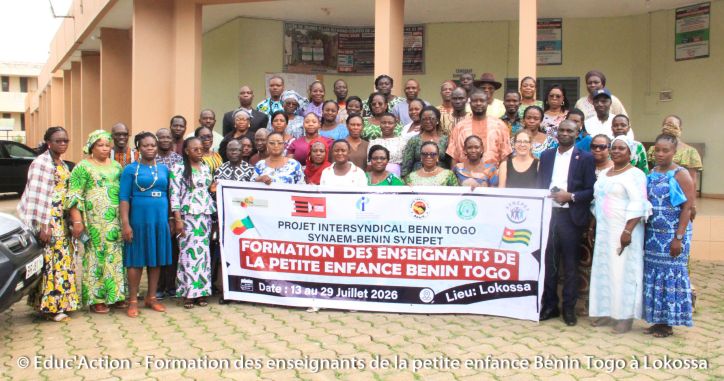
With support from Education International (EI), the AOb (the Netherlands), GEW Fair Childhood Foundation (Germany), Mondiaal FNV (the Netherlands), and the NEA (United States of America), over 850 teachers and school leaders have been trained and 11 child labour free zones are being established in Burundi, the Democratic Republic of Congo, Malawi, Mali, Senegal, Togo, Uganda, Zimbabwe.
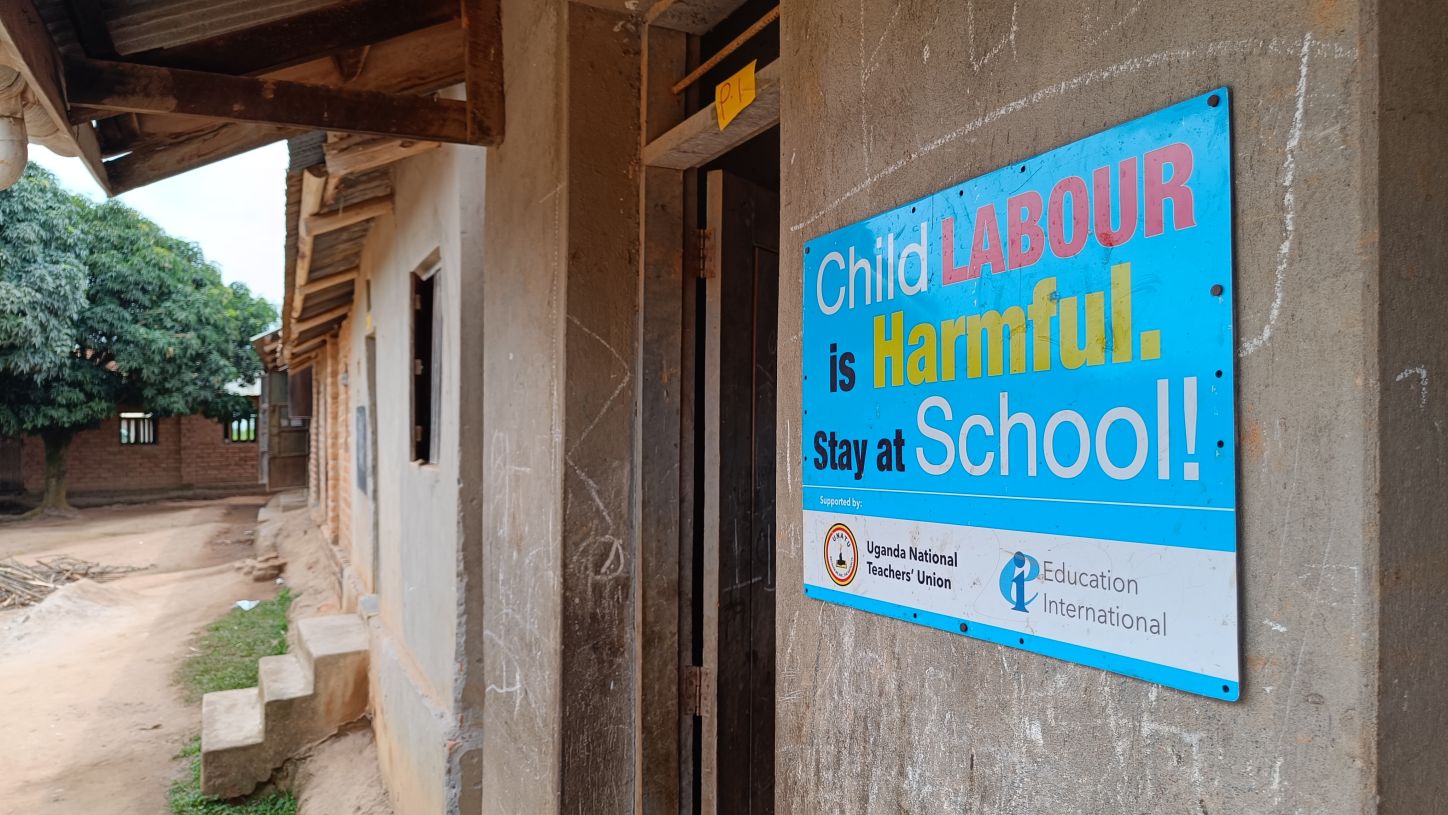
A community-led approach for bringing children back to school
Unlike many other organisations, which simply provide financial support to cover school fees, Education International’s work in child labour free zones takes a more long-term, sustainable approach by empowering teachers to identify and dismantle the structural barriers that keep children out of school.
Teachers and school leaders are trained on children’s rights, the negative impact of child labour, and eliminating corporal punishment in favour of positive classroom approaches. Educators are encouraged to lead the change in their communities by mobilising local leaders, parents, and children themselves. Programme activities also include awareness-raising campaigns and the creation of children’s rights clubs.
Engagement with local leaders has led to the adoption of by-laws banning child labour in several villages, helping to change the culture around taking children out of school.
With everyone in the community on the same page, villages can more quickly identify chronically absent students and step in to help. Teachers, parents, and members of school governing bodies all share information and monitor which students are missing from school and may be involved in child labour.
Students play a key role in this process as well. An officer for the Zimbabwe Teacher’s Association shares that “in all schools, children now report cases of peers who are not attending school. Previously, they would only report instances of abuse or rights violations. They now also report on any situation involving child labour.”
The overall increase in awareness over the issue of child labour has also led to a snowball effect in neighbouring communities. As mothers and fathers who have already been trained on the issue share its importance with friends and acquaintances, more parents become aware of the damaging impact that child labour can have on their children's lives. A woman member of a school development committee in Zimbabwe described these conversations: “I tell parents that in today’s technological era, life is extremely difficult without education. I tell them that even if they did not have the chance to go to school, they should not deny that opportunity to their children. I explain to children that education is not only about academic learning, but school also teaches them many other skills that will be useful throughout their lives”.
This organic spread of information and behaviour among communities allows the project to maintain effectiveness long after the initial campaigns and trainings have been completed, making the initiative self-sustaining in a way that most charities are not. It also means that the programme is not as limited by budget constraints, something Zimbabwe union coordinator Hilary Yuba mentions when describing her local councillors’ initial scepticism: “In the beginning, the councillors were disappointed with our budget, especially when they compared it to the much larger budgets of some NGOs... But we told them: ‘Let us do it, we know how to do it’. Now they see that our approach is delivering strong results. It has opened their eyes to the fact that you can achieve a lot with a limited amount of money.”
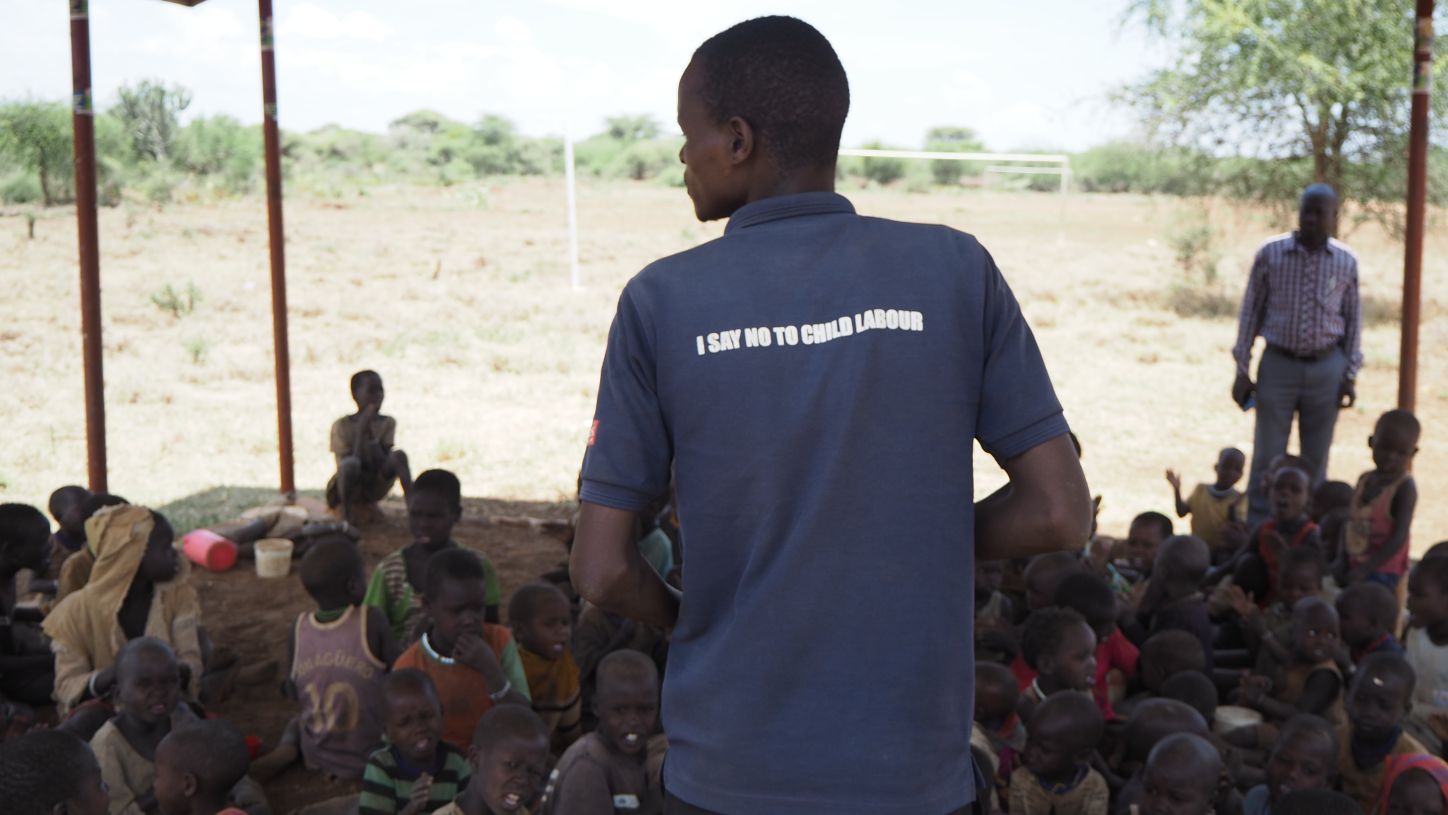
Defending girls’ right to education
In all countries, the programme has a strong gender focus and works to address the specific barriers that prevent girls from accessing education. In addition to the risks boys face, girls are also vulnerable to child marriage and pregnancies which often force them to drop out of school. Many are then locked into a situation of financial dependency and a life of unpaid labour in the home.
Beyond withdrawing girls from child labour, the project has contributed to reducing child marriage and teenage pregnancy through teacher-driven community mobilisation and the adoption of local rules prohibiting such practices.
All project stakeholders work jointly to prevent child marriage. When a school aged girl is identified as being married, community authorities intervene to annul the marriage and support her return to school.
In addition, teenage mothers are encouraged and enabled to continue their education. As a recent story from Zimbabwe shows, schools have introduced specific measures, such as flexible schedules for young mothers, and teachers are actively working to support them [link blog].
Improved sanitation facilities, the distribution of hygiene products, and educating the whole school community about menstruation have reduced menstruation-related absenteeism.
Combined with extensive awareness raising, these actions have shifted community attitudes: girls’ education is increasingly seen as essential to breaking the cycle of poverty, and their presence in school is becoming the social norm.
Lobbying efforts secure a new school building in Bambilor
Apart from social barriers and norms, another major obstacle to bringing students back to school is the inadequate infrastructure. In Bambilor, Senegal, the high school has grown from 200 to 1,200 students in only 5 years, and the classrooms are unable to accommodate the influx of new children. To address this issue, a coalition of Senegalese unions led a campaign to improve school infrastructure in Bambilor, bringing together local authorities such as chiefs and imams with school directors, teachers, and parents. With their help, the Parents’ Association of the high school was able to send a petition to both the President and Prime Minister of Senegal, who responded positively.
Construction on a new, modern high school in Bambilor is currently underway. When it is completed, it will be one of the best equipped high schools in the country. With the help of this union project, Bambilor students will no longer face the poor classroom conditions and overcrowding that led many to drop out and join the workforce in the first place, marking this as a key win in the fight against child labour.
Measurable results towards eliminating child labour
In each of the programme countries, child labour free zones are achieving compelling results. In communities that implemented the project in Malawi, average school attendance has gone from 68% to 86%, and dropout rates decreased from 14% to 5% in the same timeframe. Similarly, average enrolment in target areas increased by 20.6% in Zimbabwe and 27% in Uganda. Many schools are also reporting improved academic outcomes. For example, participating schools in Burundi reported a 66.2% pass rate for the 2024-2025 academic year, compared to the 56.6% pass rate of the two previous years.
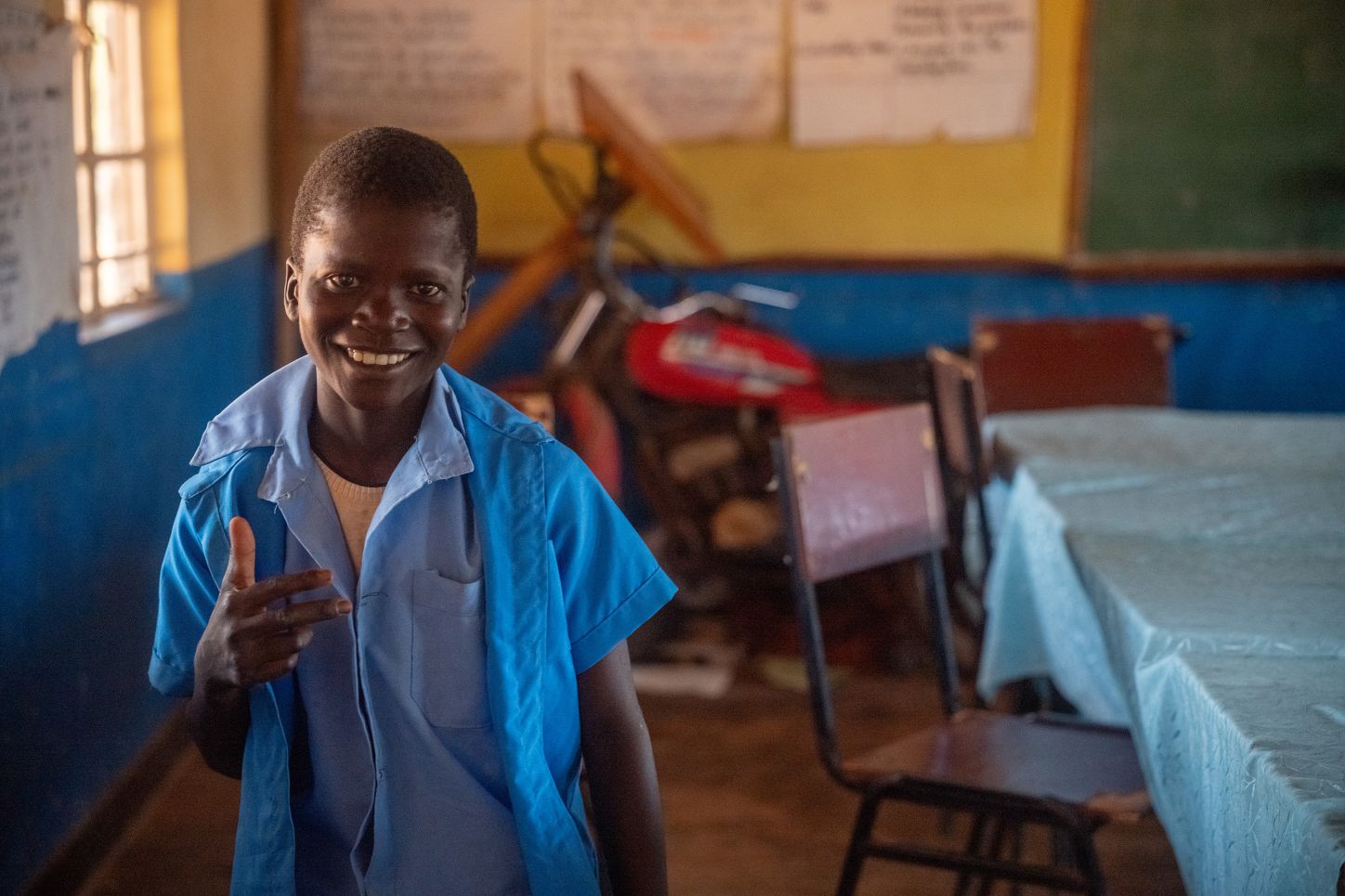
In every country, the initiative has shown that empowering teachers and engaging with local communities and authorities through social dialogue is more conducive to long-term behaviour change than simply covering school fees. An independent study commissioned by Education International found that it only takes an average of €15,000 a year and a period of three years to establish a child labour free zone.
The effectiveness of focusing on education and teachers in the fight against child labour has been recognised in the Marrakech Framework adopted at the 6th Global Conference on the Elimination of Child Labour in February 2026. The framework notes that fully funded schools and motivated teachers are some of the most powerful factors in reducing child labour.
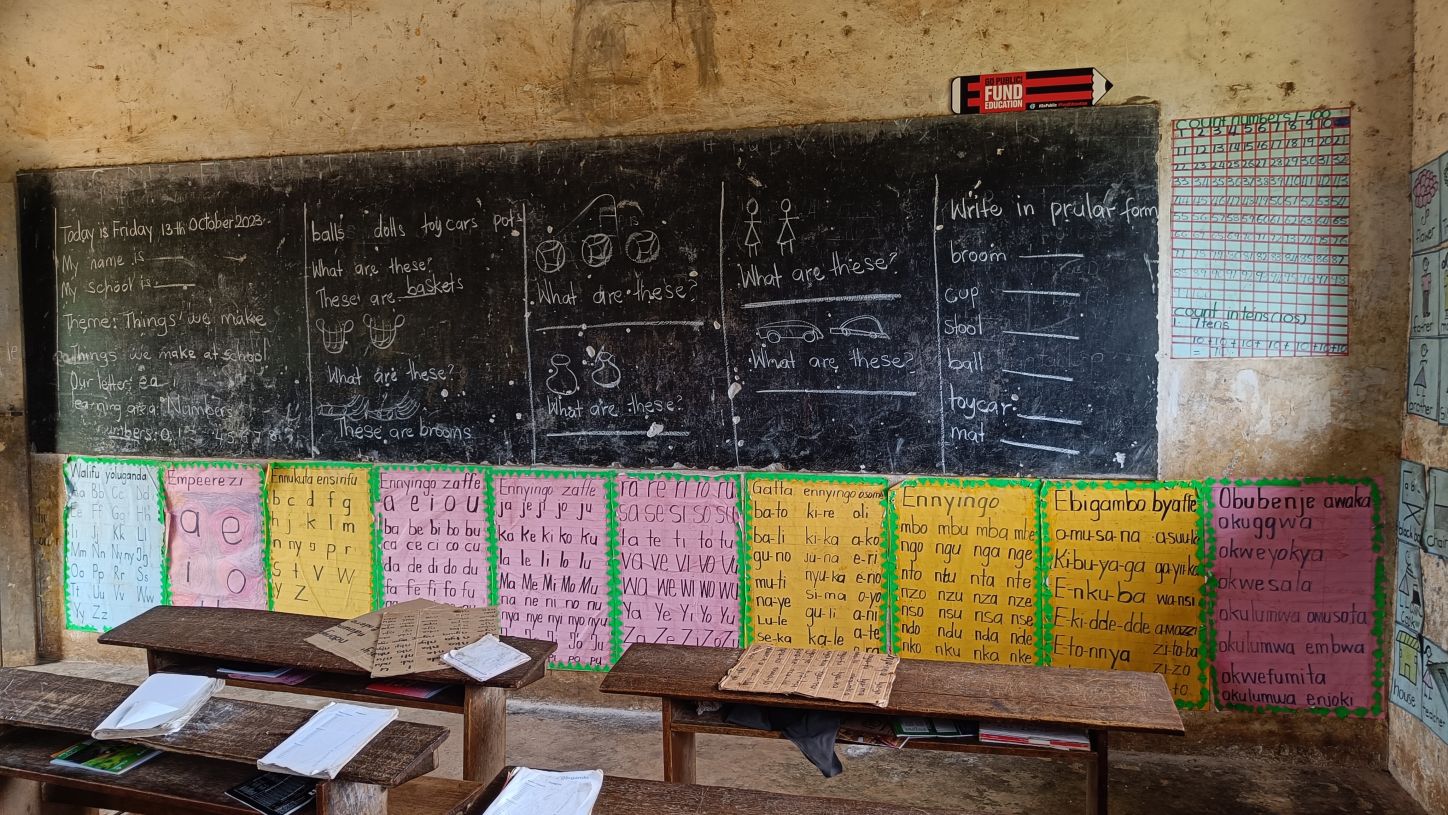
Education International’s programme shows that these interventions are not only possible, they are also highly impactful and cost-effective.