From solidarity to strategy: How a Jamaica-US Educator Partnership is reshaping a campaign for public education
When a delegation of six educators and organisers from the United States arrived in Jamaica in September of this year, they did not begin in a conference room.
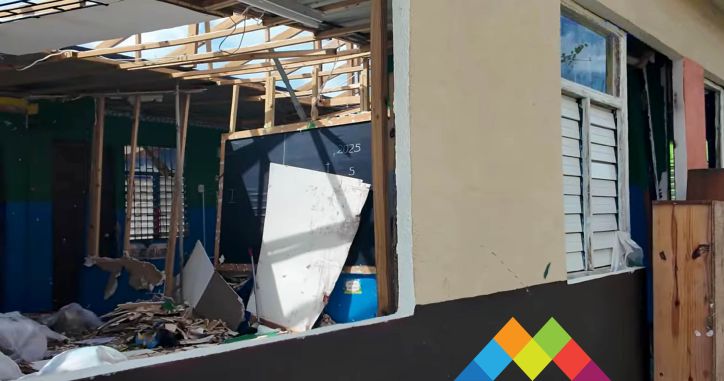
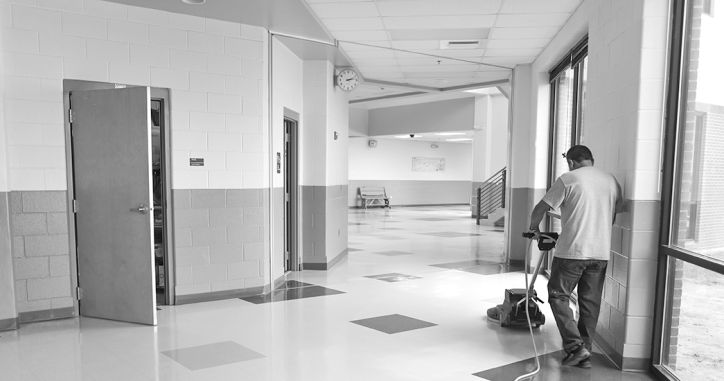
Instead, they walked through schools still bearing the scars of Hurricane Melissa. They visited classrooms where teachers and students continue to work amid repairs, mold, damaged infrastructure, and temporary facilities. They met educators confronting salary disputes, uncertainty over professional regulation, and growing concerns about the future of public education.
For the Jamaica Teachers' Association (JTA), this was not just another international exchange visit. It became something more consequential: an opportunity to rethink how the country's largest teachers' union builds public support for education reform and how international solidarity can translate into practical action.
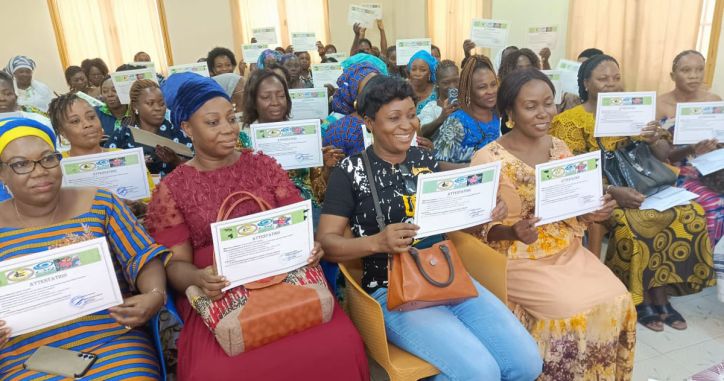
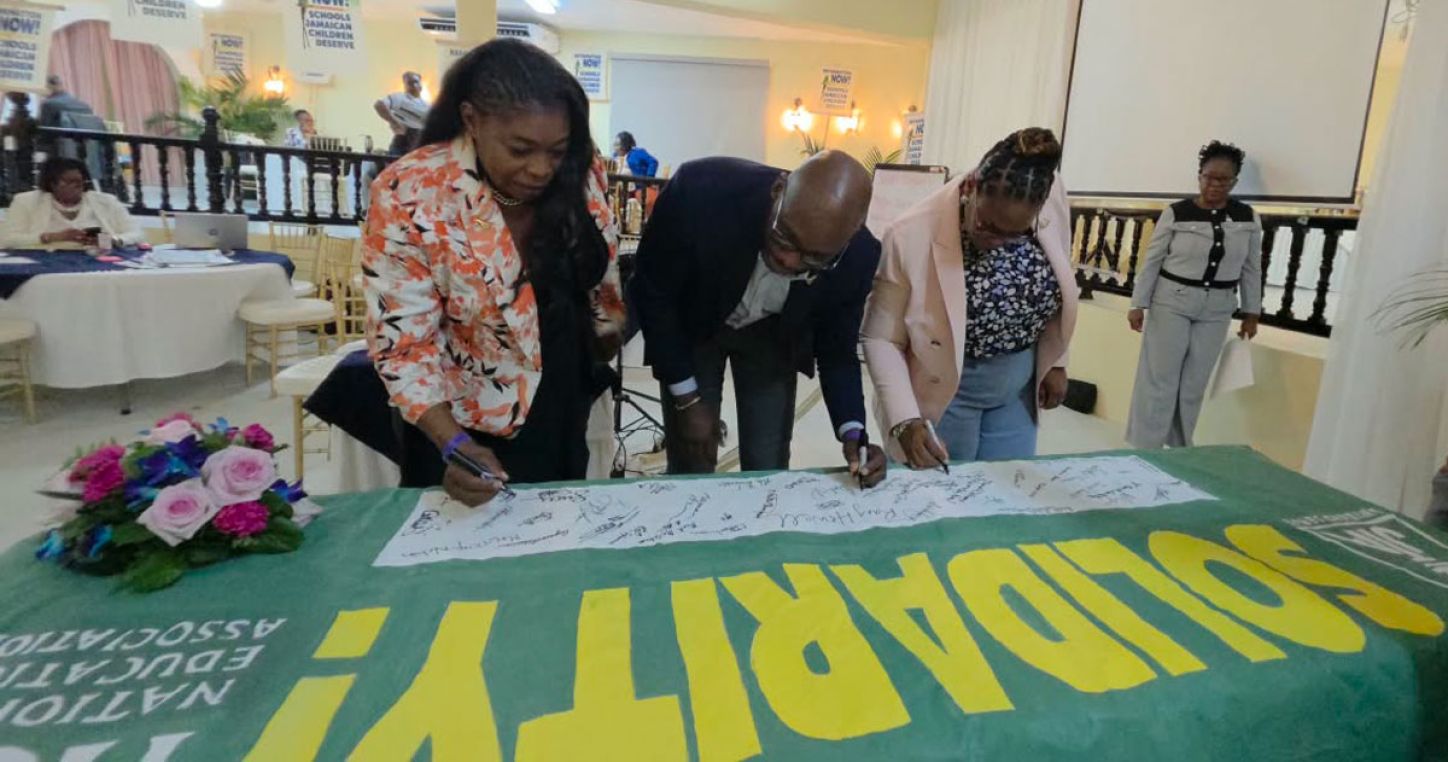
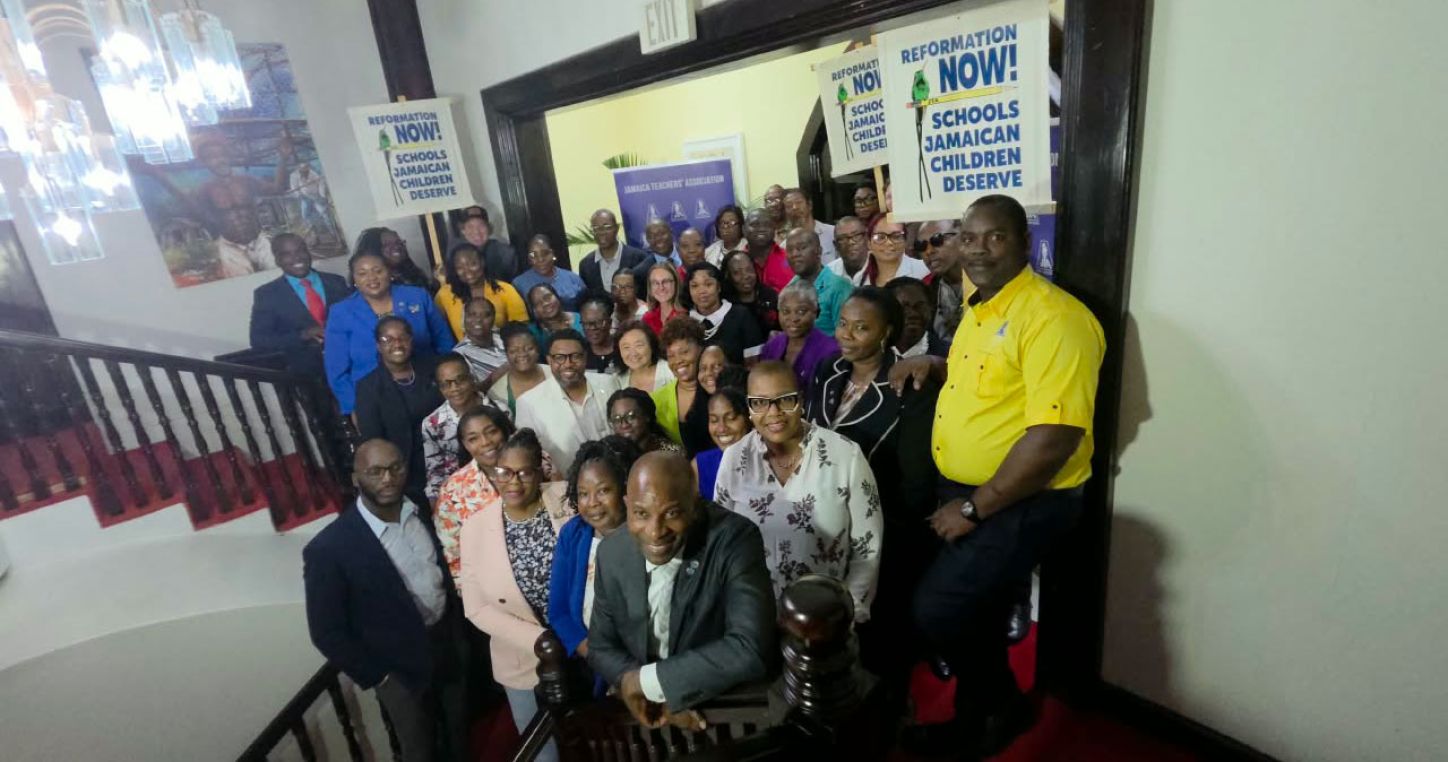
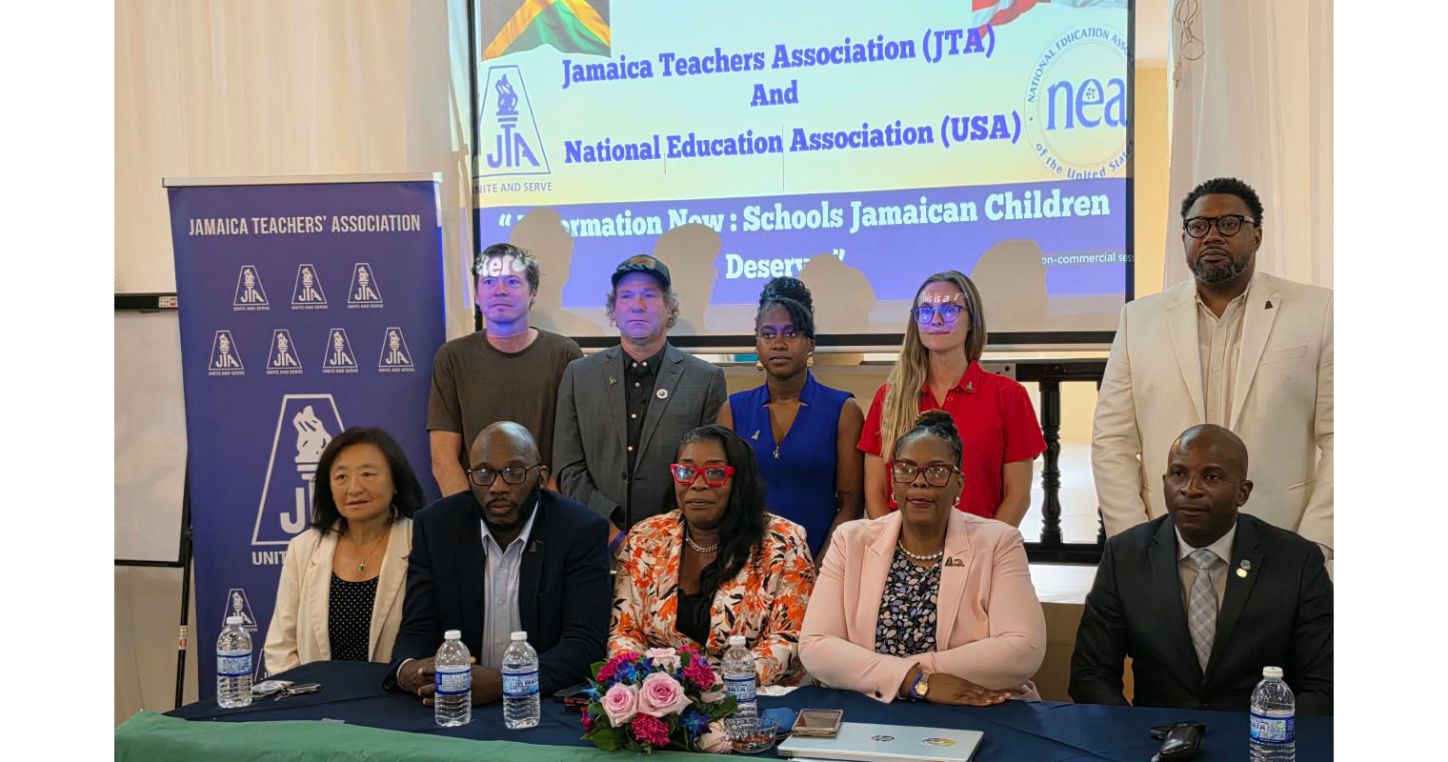
Over the course of the visit, the National Education Association (NEA) delegation immersed itself in Jamaican schools, met with educators and union leaders, toured hurricane-affected communities, and facilitated an intensive campaign strategy retreat for the JTA's leadership held in Montego Bay. By the time the programme concluded, participants were not simply discussing education challenges, they were building a campaign around a new idea: that the fight for better schools must belong to the entire country, not only to teachers.
This shift may prove to be one of the most enduring outcomes of the partnership.
Education is everybody’s business
Historically, the JTA's advocacy has naturally focused on teachers' rights, professional concerns, and working conditions. But throughout the retreat, participants explored how issues such as salaries, teacher retention, school funding, infrastructure, and professional standards could be framed through their impact on students, families, and communities.
“The training sharpened our appreciation that the strongest education campaigns are student-centred, community-facing and rooted in a wider proposition: education is everybody’s business.”
Jamaica Teachers’ Association, Report on the JTA/NEA Campaign Strategy Retreat & Central Executive Training, October 2026
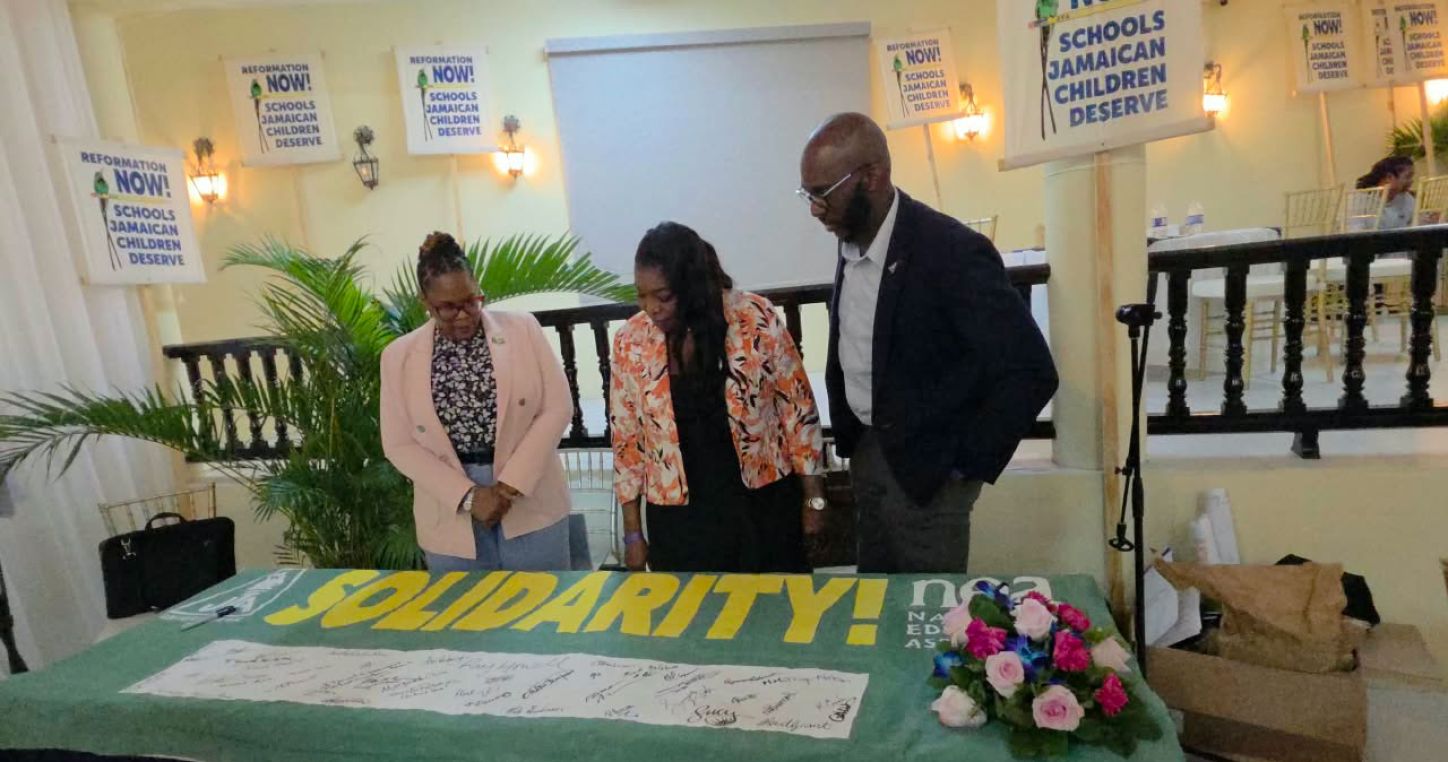
The result is the campaign "Reformation Now: Schools Jamaican Children Deserve," a public-facing initiative rooted in the JTA's wider conference-year call for educational renewal and resilience. Under the leadership of La Sonja Harrison, President of the JTA, the campaign seeks to connect the concerns of educators with broader public aspirations for safe, well-funded, and effective schools.
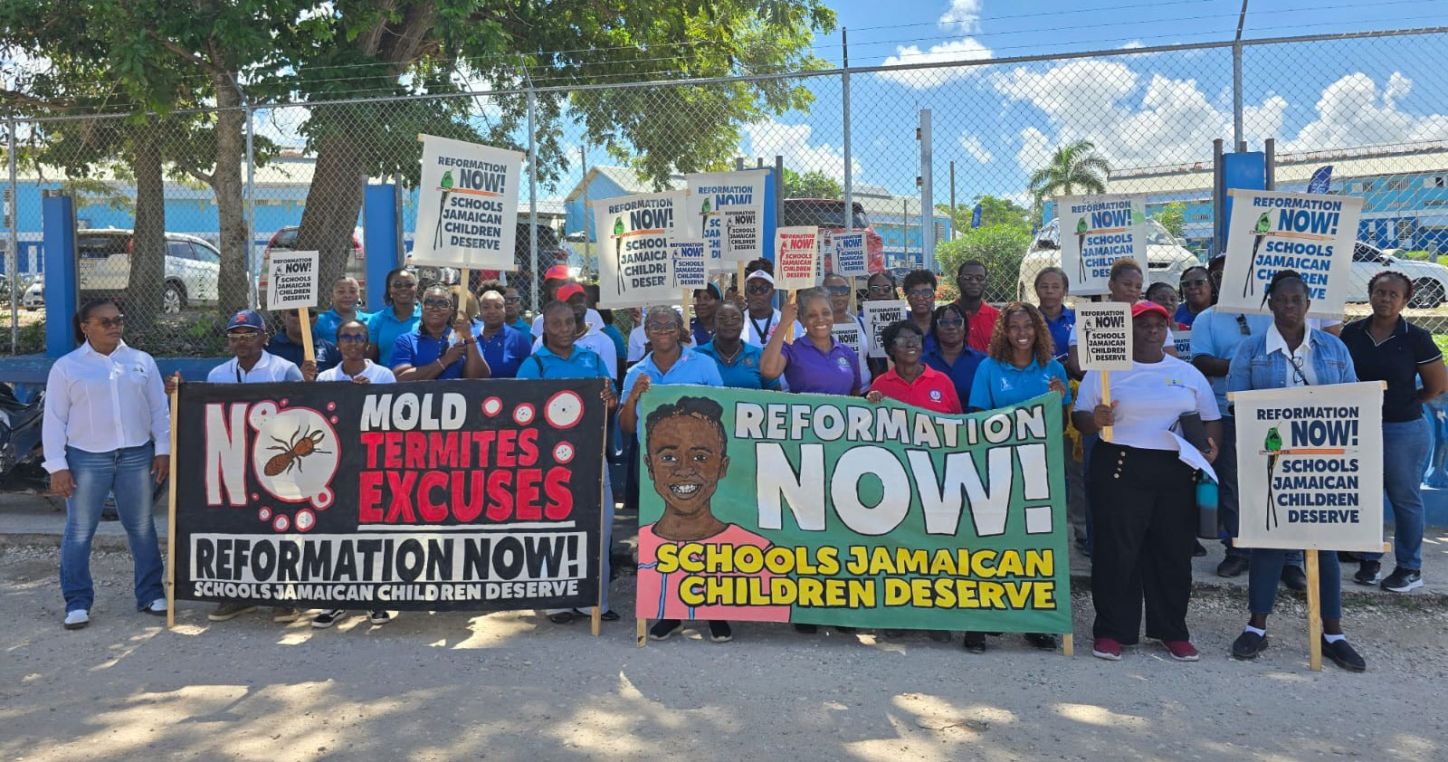
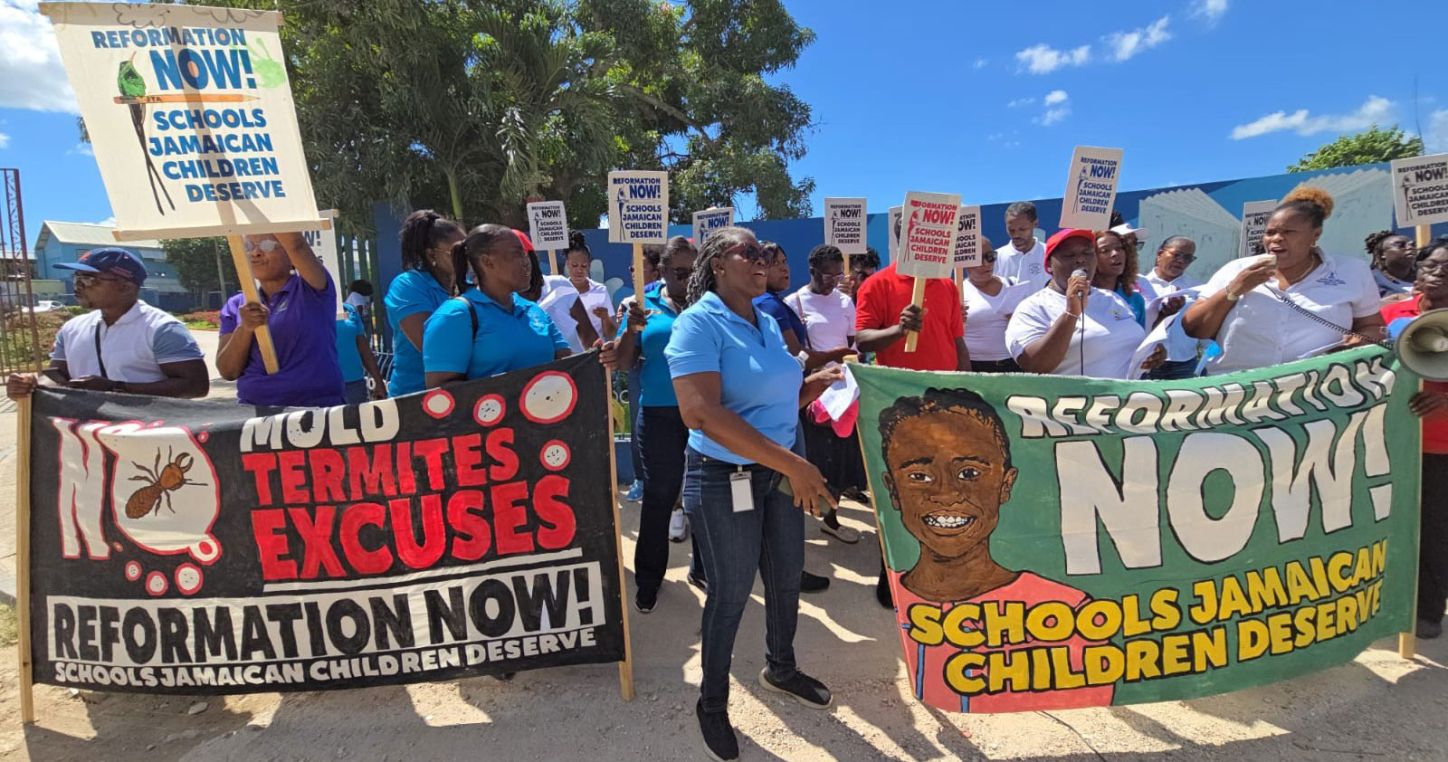
Building power through organising and creativity
What distinguished the collaboration, however, was not only the content of the training, but the way it unfolded.
According to the JTA, the NEA team arrived with a detailed understanding of Jamaica's educational and political context. Rather than presenting imported solutions, facilitators worked through real challenges facing the union, from debates around the proposed Jamaica Teaching Council Bill to ongoing negotiations over salaries and conditions of service, school mergers, and post-hurricane reconstruction efforts.
The delegation brought experience in organising, campaign development, and creative approaches to building public support. A representative of Art Build Workers also introduced participants to the use of visual art and creative expression as tools for organising and engaging communities.
Many participants described the creative elements as among the most unexpected aspects of the programme. Campaign strategy sessions on power mapping and narrative development were complemented by collaborative art-building exercises that demonstrated how symbols, music, and visual storytelling can help build collective identity and motivate action.
Participants also examined the organising strategies of American educator unions, including United Teachers Los Angeles and the St. Paul Federation of Educators, whose campaigns have secured transformative victories including protections for immigrant students and a nurse and counselor in every school. Both unions recognised that building power required not only strengthening relationships with parents and the broader community but also cultivating and formalising strong relationships among educators within individual schools.
This strategic shift offered a powerful opportunity for the JTA.
By establishing highly organised school sites as the foundation of their campaign, JTA could build the collective strength and infrastructure necessary to mobilise members for swift, coordinated, and bold action.
Solidarity in action
The partnership quickly moved beyond training sessions.
At a press conference during the retreat in Montego Bay, La Sonja Harrison publicly highlighted conditions observed in schools affected by Hurricane Melissa, drawing attention to damaged facilities, health concerns, ongoing construction, and the risks of accepting inadequate learning environments as normal. Her message was reinforced by a recorded statement from newly elected NEA President Princess R. Moss, whose solidarity message connected the experiences of Jamaican educators to a broader international commitment to public education.
Together, the two leaders offered a glimpse of what cross-border union collaboration can look like in practice: local evidence and local leadership amplified by international solidarity.
“NEA stands in solidarity with the JTA—your struggle is our struggle.”
Princess Moss, President, National Education Association
That collaboration is particularly significant at a moment when education unions worldwide face many of the same challenges, including teacher shortages, funding pressures, attacks on professional autonomy, and growing public frustration over unequal educational outcomes.
For the JTA, the NEA partnership demonstrated that international relationships can be more than symbolic expressions of support. They can become vehicles for exchanging organizing skills, campaign techniques, and practical solutions. As the JTA noted in its assessment of the visit, the knowledge and expertise brought by the delegation did not leave Jamaica when the team boarded its flight home. They now reside within the union's leadership structures, campaign plans, and future organizing efforts.
A partnership beyond the visit
The significance of the visit therefore extends beyond the immediate issues facing Jamaican educators.
What emerged over the course of the exchange was the outline of a longer-term relationship between two organisations committed to strengthening public education and educator voice. The JTA has already expressed its desire to deepen cooperation with the NEA on organizing, leadership development, communications, collective bargaining, membership growth, and public advocacy.
In many ways, the schools visited during those first days of the delegation's arrival reveal why that collaboration matters.
The damaged buildings, reconstruction projects, and difficult teaching conditions observed by Jamaican and American educators alike served as reminders that education policy is ultimately experienced in classrooms and school communities. They also underscored a broader truth that both unions returned to throughout the engagement: when schools struggle, entire communities feel the consequences.
For the JTA and the NEA, the partnership was not principally about a workshop or a training programme. It was about equipping educators to build broader public support for the kinds of schools children deserve and the conditions teachers need to help them succeed. As Jamaica continues to navigate recovery and ongoing debates about the future of education, they know they can count on the solidarity, wisdom, and partnership of their colleagues.