Dedicated to their students but undervalued by society: I-BEST survey paints an alarming picture of the health and well-being of education workers
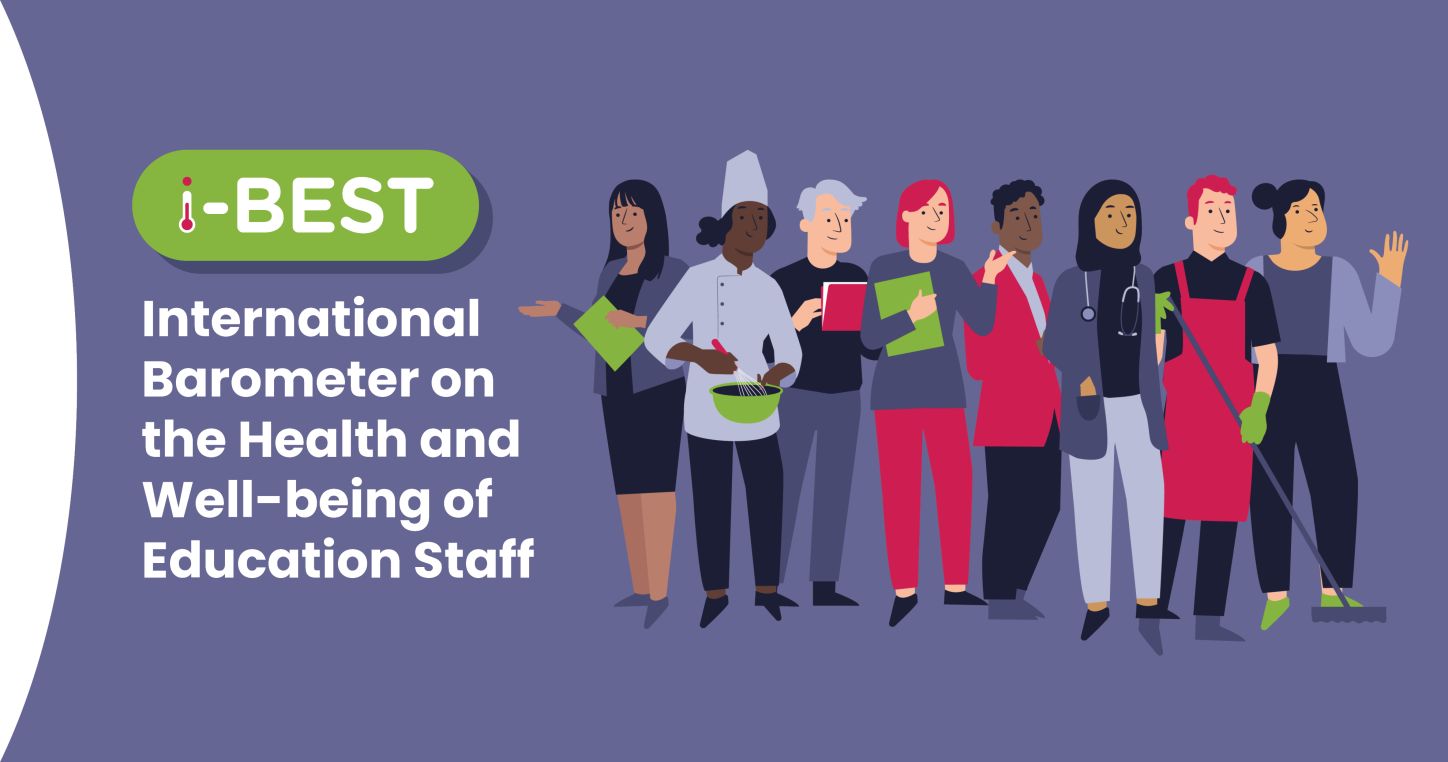
Amid a global teacher shortage that is putting the right to education at risk, the third edition of the International Barometer of the Health and Well-being of Education Staff (I-BEST) sheds light on the challenges educators face across contexts and the factors fuelling the workforce crisis in education.
The survey collected insights from 45,995 teachers and education support personnel across 17 countries and 5 continents in the first half of 2026. Education workers from Argentina, Belgium, Cameroon, Canada, Costa Rica, Ethiopia, France, The Gambia, Mexico, Morocco, Paraguay, Portugal, Singapore, Spain, Switzerland, United Kingdom, and Zimbabwe provided valuable data on their working conditions, daily challenges, health and well-being.
“Promoting the physical and mental well-being of education workers everywhere is a prerequisite for quality education for all. When teachers thrive, students flourish. When educators feel safe, supported, and valued, they create schools that are inclusive, joyful, and transformative. But when they are overwhelmed, underpaid, under-resourced, and ignored, the entire education ecosystem suffers. I-BEST 2026 adds to a growing body of evidence that the education workforce is in crisis. Governments and society as a whole must act to support educators and to help us make the fundamental right to education a reality”, stated David Edwards, Education International General Secretary.
Watch the launch event!
Main findings
- Survey respondents reported a strong and resilient sense of purpose in their work. A minimum of 82% (Cameroon) and a maximum of 96% (Portugal, Morocco and The Gambia) across all 17 countries reported that their work is purposeful and meaningful. Across all countries, the vast majority of respondents report good quality relationships with students, colleagues, and parents.
- However, in 14 out of the 17 countries, an overwhelming majority of educators report feeling that society does not value their profession, with the highest proportions in Belgium (93%), France (92%), Spain (92%), and Argentina (88%).
- In 10 countries, a majority of education workers report that their job has been quite or very stressful since the beginning of the year. In almost all contexts (16 of the 17 countries), a majority report that they have been stressed at work in the past week. Workload is a key contributor to staff stress.
- Violence remains a serious workplace issue. More than 25% of respondents had experienced violence at work in the last 12 months in 9 of the 17 countries. The situation is particularly concerning in the UK and Canada. 61% of respondents in the UK and 50% in Canada report having experienced violence, most often at the hands of students and in the form of insults and threats.
- Education workers evaluate their salaries negatively in 8 out of 17 countries. A majority of educators in Argentina (86%), Zimbabwe (87%), The Gambia (75%), Portugal (69%), France (69%), Morocco (66%), and Spain (63%) are not satisfied with their salaries. In Argentina, Zimbabwe, and The Gambia, a majority of respondents regularly face financial difficulties to meet their basic needs.
- In Cameroon, Morocco, UK, and Zimbabwe, a majority of respondents would not choose their profession again. In Argentina, Belgium, Cameroon, France, Morocco, Portugal, and the UK, a majority of respondents disagree that the advantages of the profession outweigh the disadvantages.
- The report notes the striking relationship between job satisfaction and long-term commitment to the profession. Countries with higher reported rates of job satisfaction tend to also have a higher proportion of staff say that they would choose the profession again. Job satisfaction – and the factors that shape it – is an important consideration for policymakers and local school management to support teacher retention and future recruitment, especially considering the global shortage of 50 million teachers.
Click here for the full report and infographics.
About I-BEST
I-BEST is the largest international survey focused on the health and well-being of all education workers, including teachers, education support personnel, and school leaders. Built on a participatory approach, I-BEST is designed with and for education unions and other organisations defending the rights of education workers, providing them with a robust evidence base to strengthen their advocacy in their own countries. This year, the survey benefited from the commitment of 35 such organisations at national and regional levels. The scientific analysis of the data was carried out by the MGEN Foundation for Public Health and Education Support.
Education International and MGEN share a longstanding partnership dedicated to improving the health and well-being of education communities worldwide.
Previous editions of the survey were launched in 2021 and 2023. The notable increase in the number of national partner organisations and in the number of educators surveyed with each edition indicates a growing awareness and concern for the health and well-being of the education workforce across contexts.